
Nosy Ve & Andavadoaka, Southwest Madagascar (2024/25)
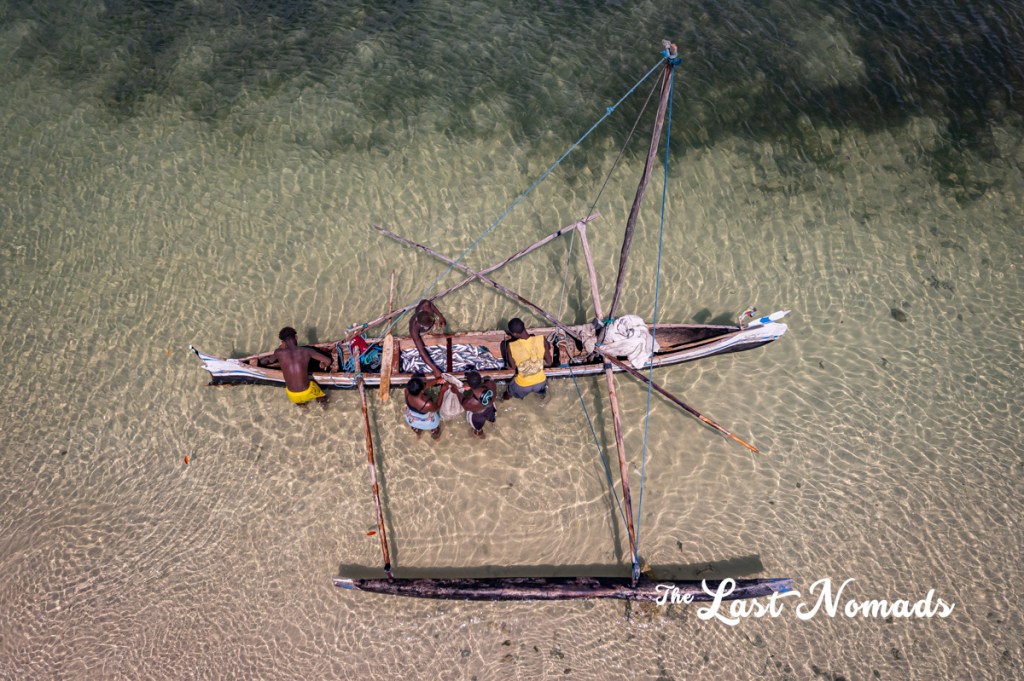
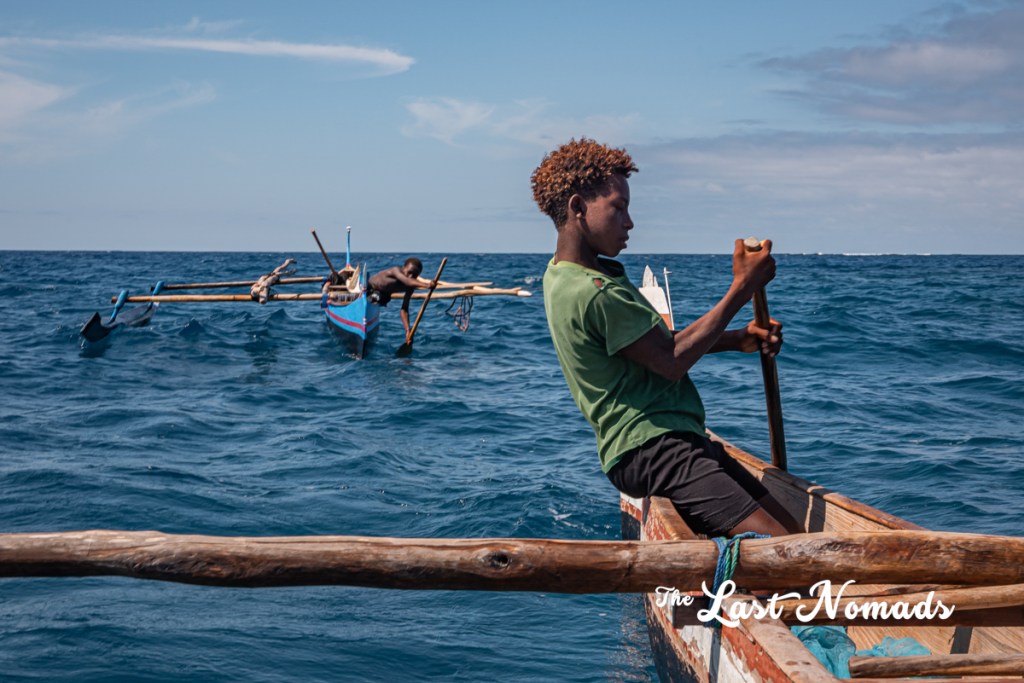
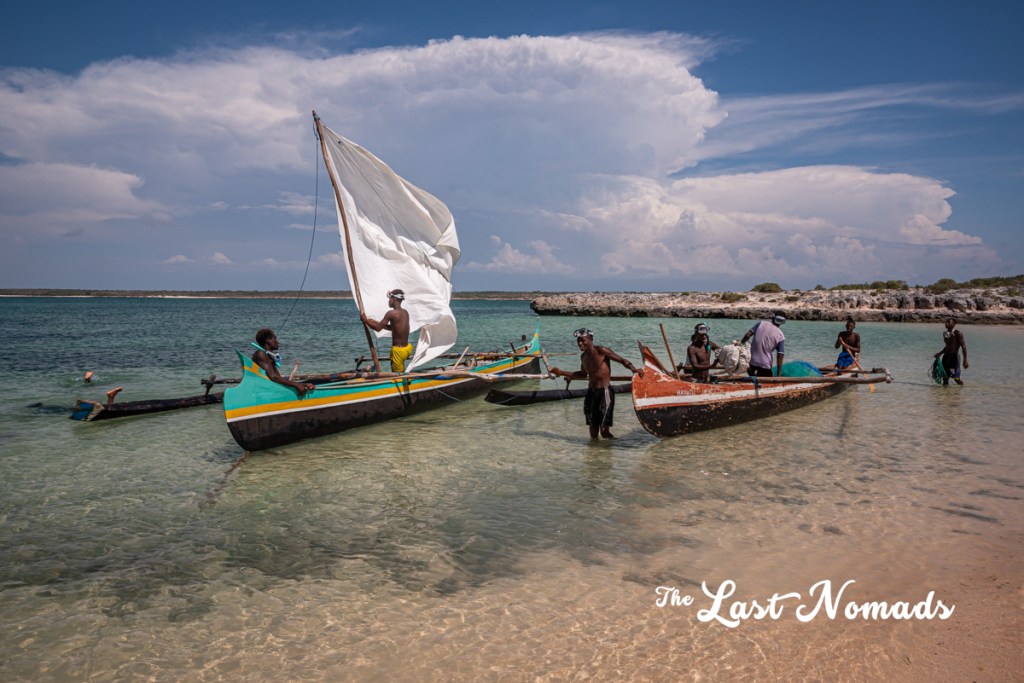
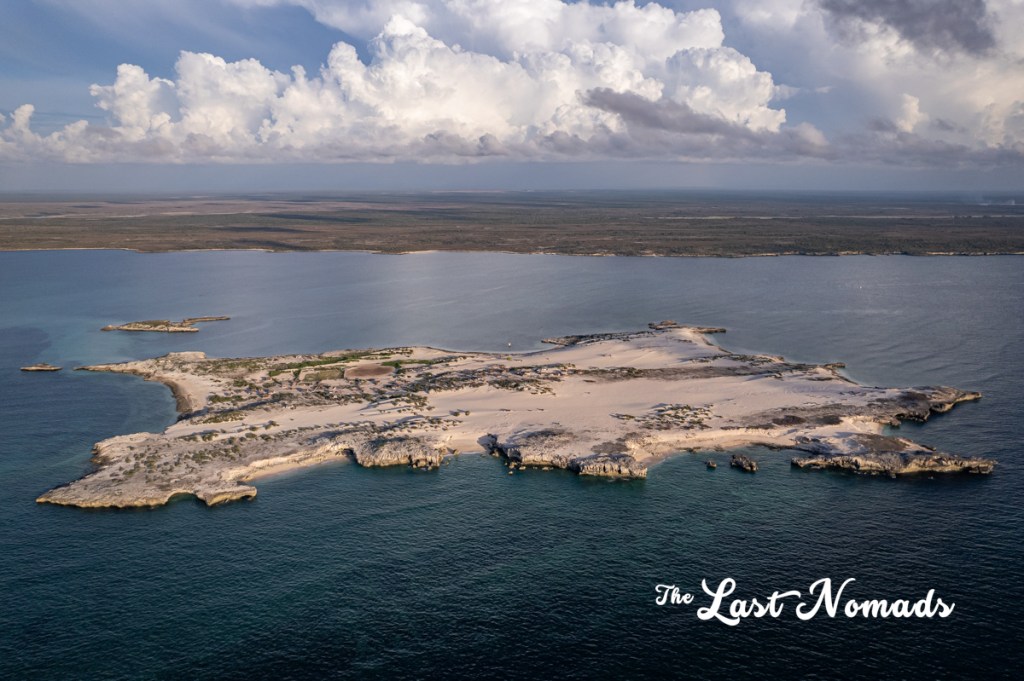
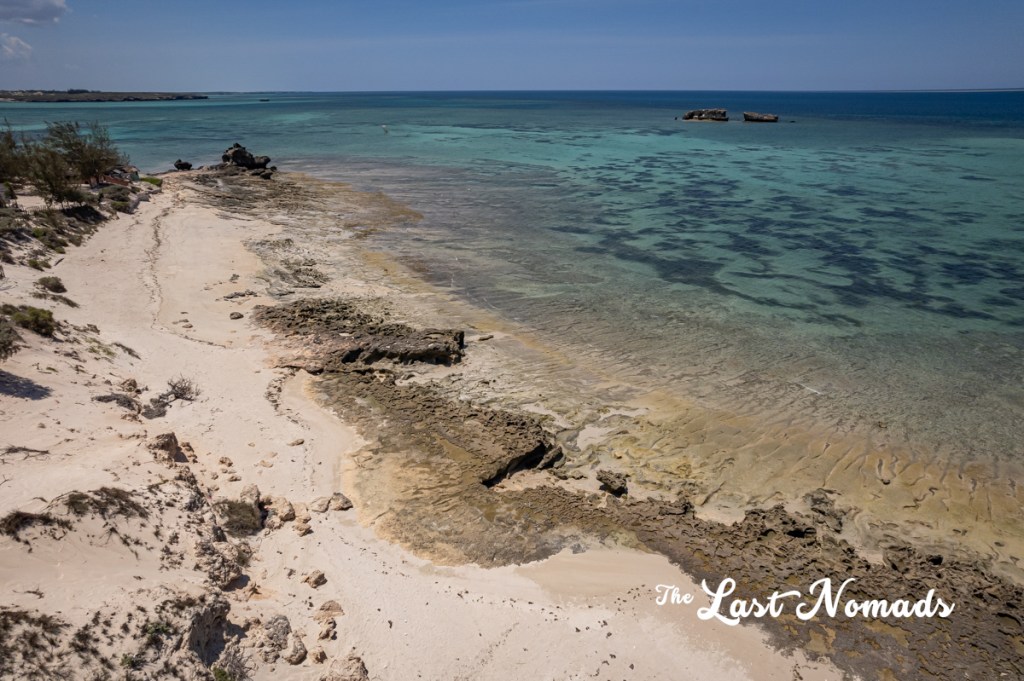
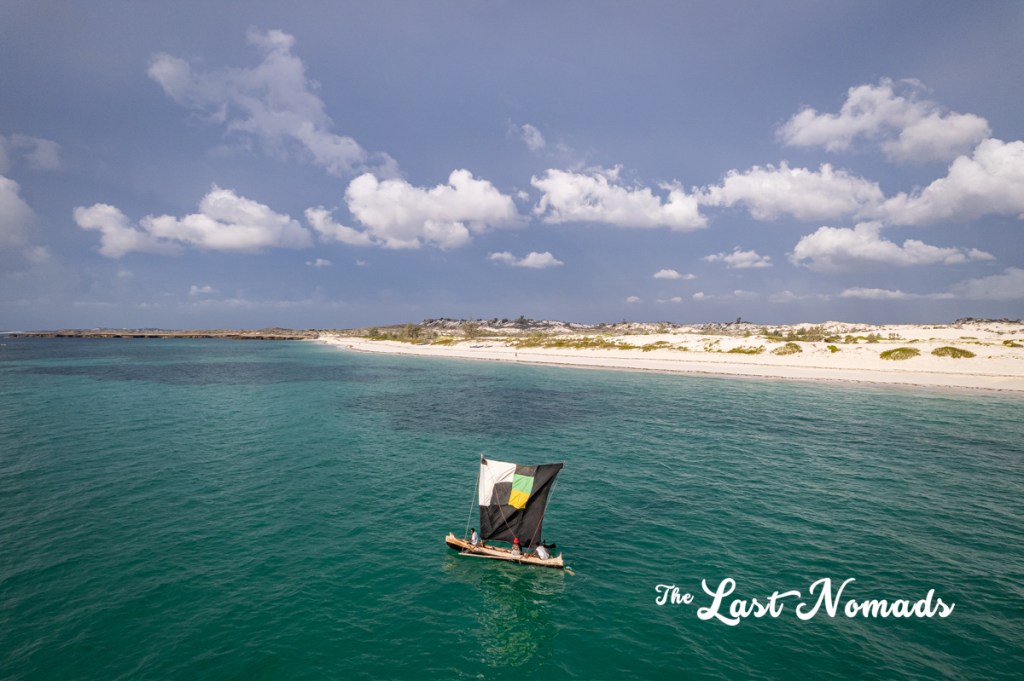
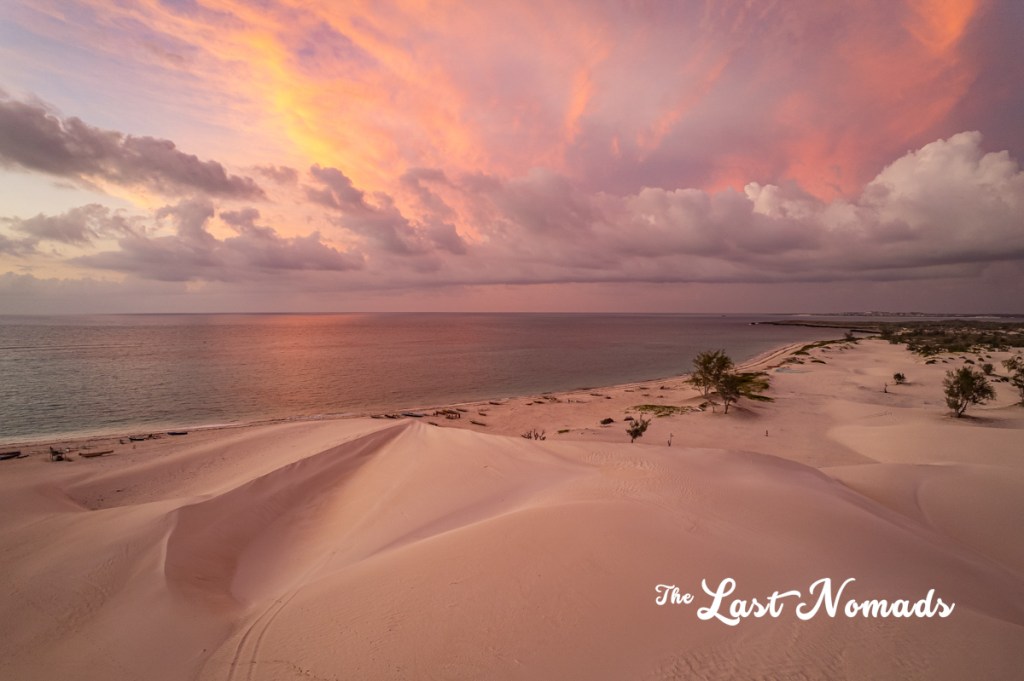
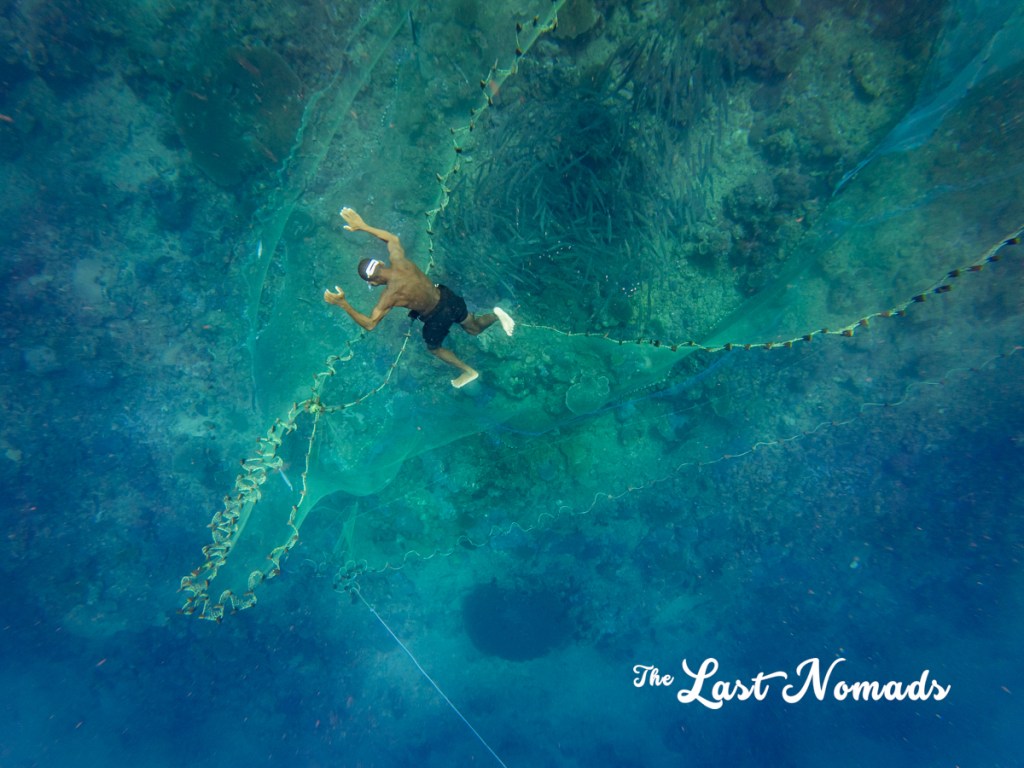
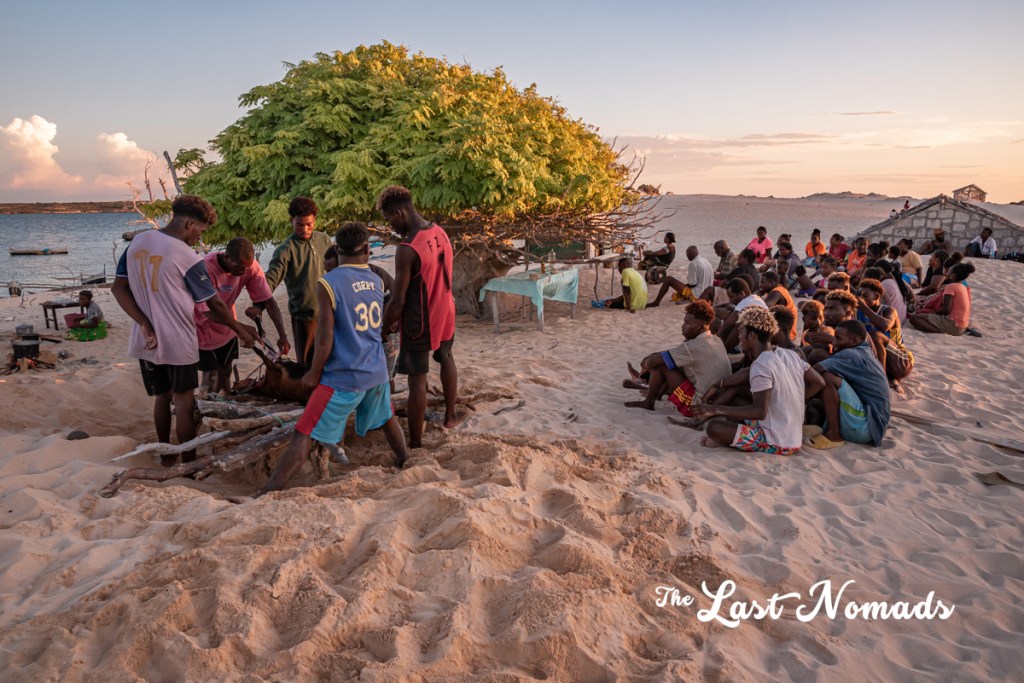
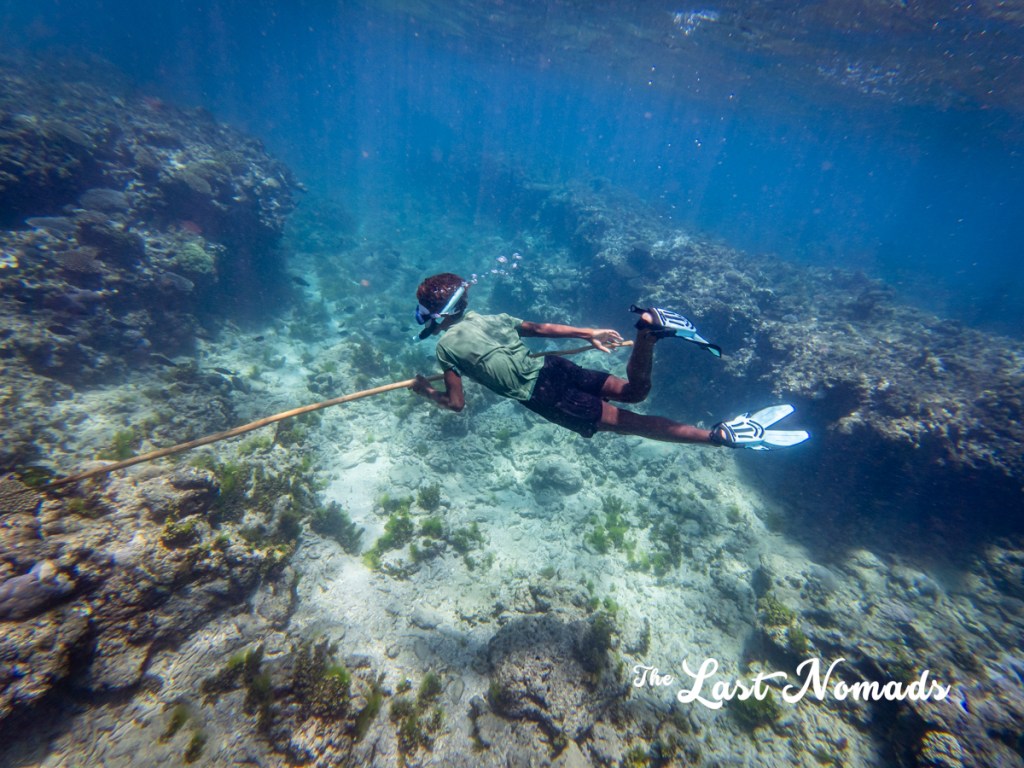
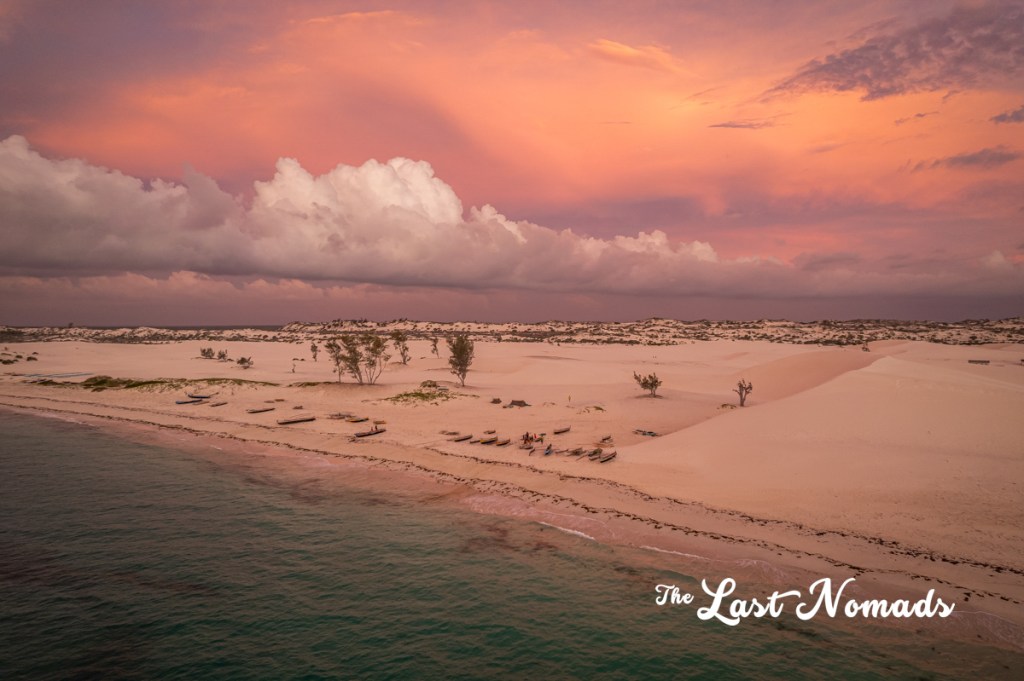
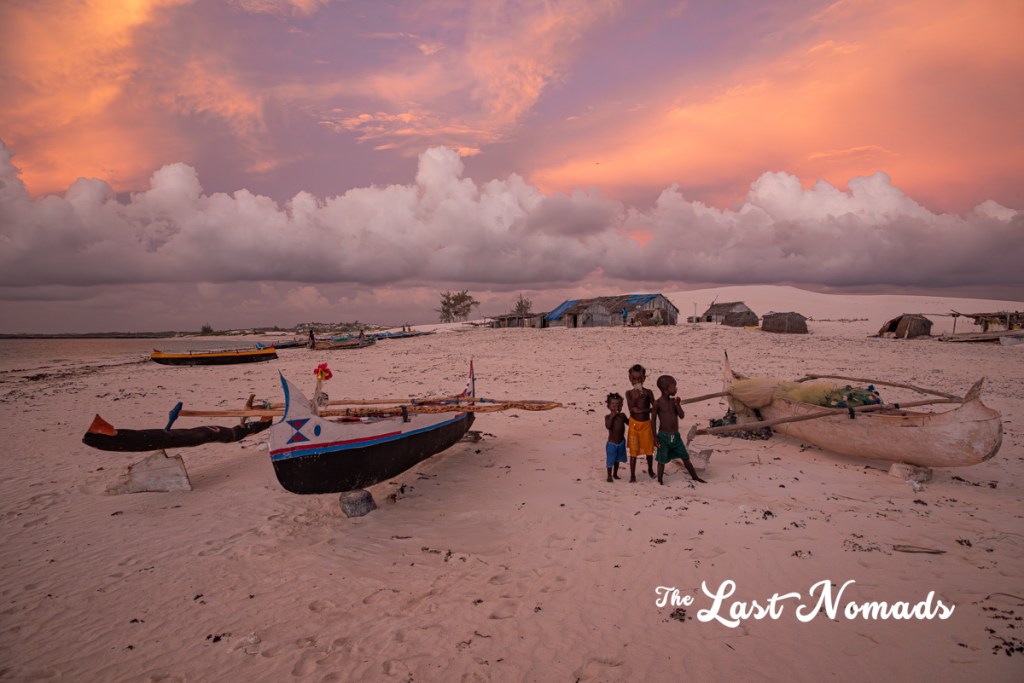
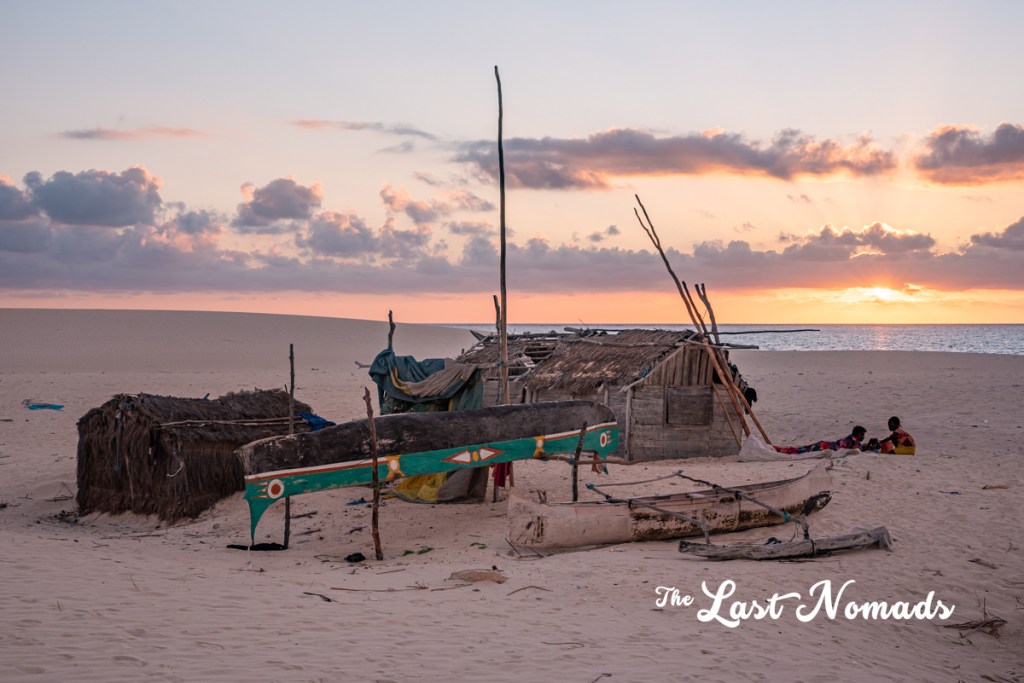
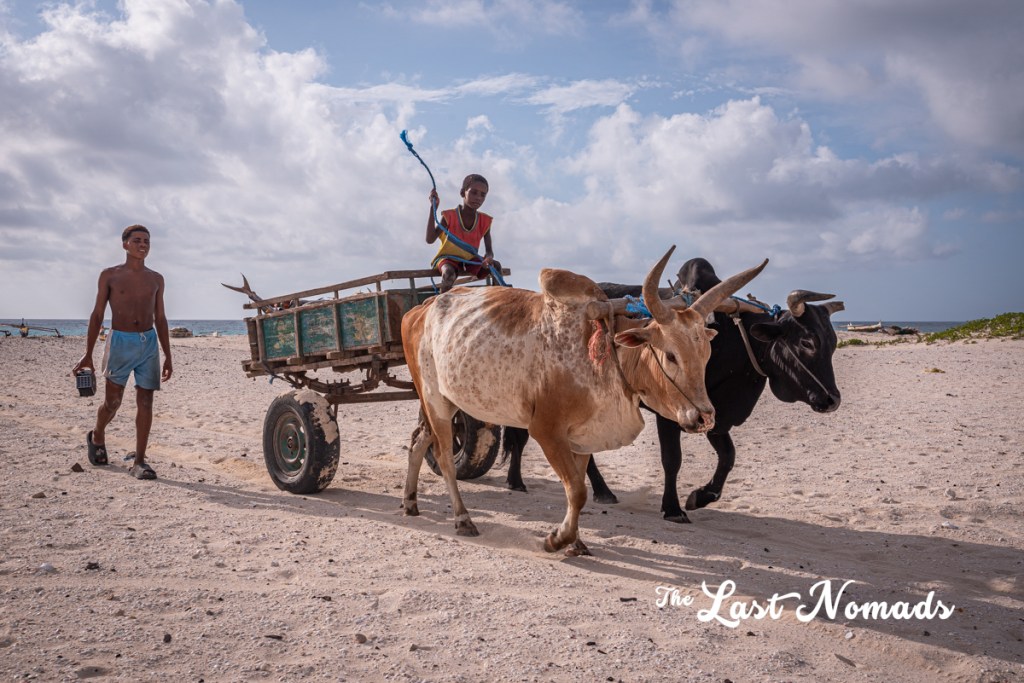
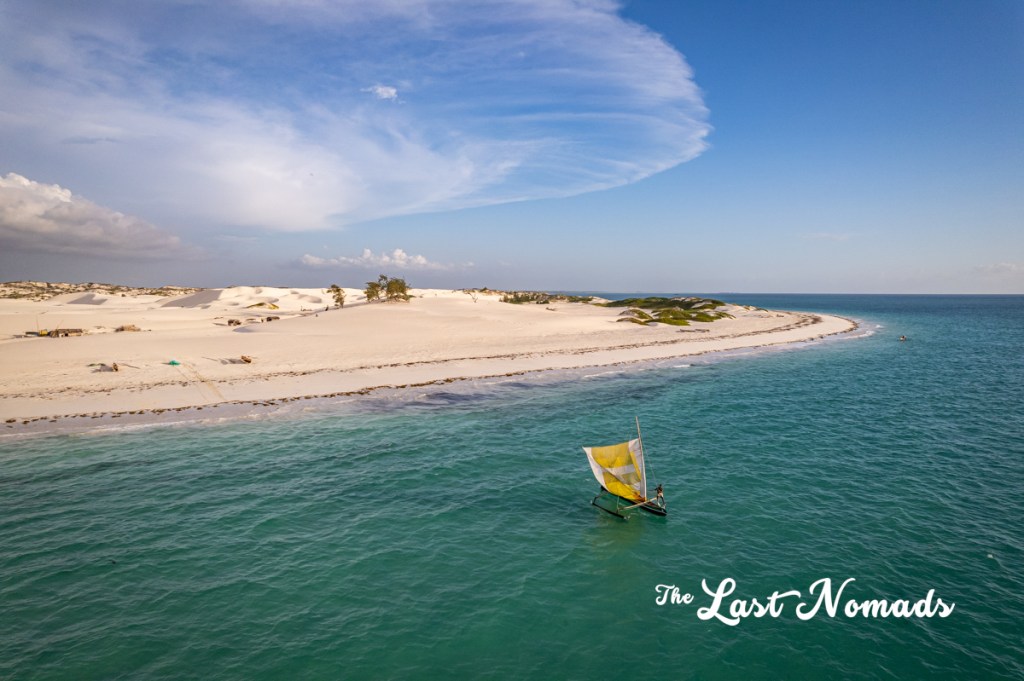
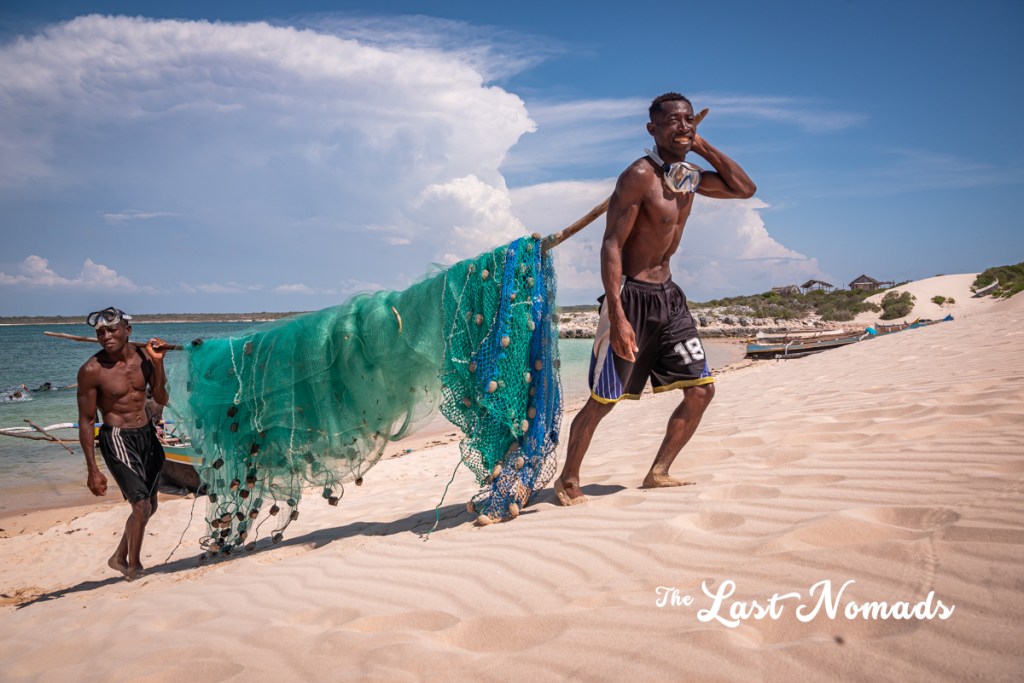
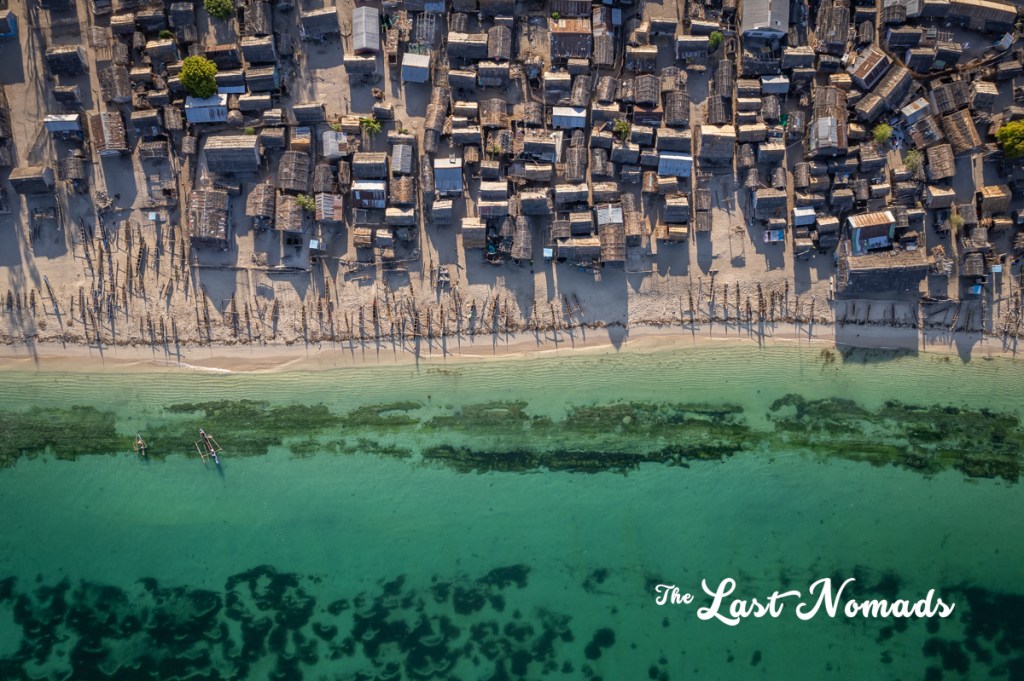
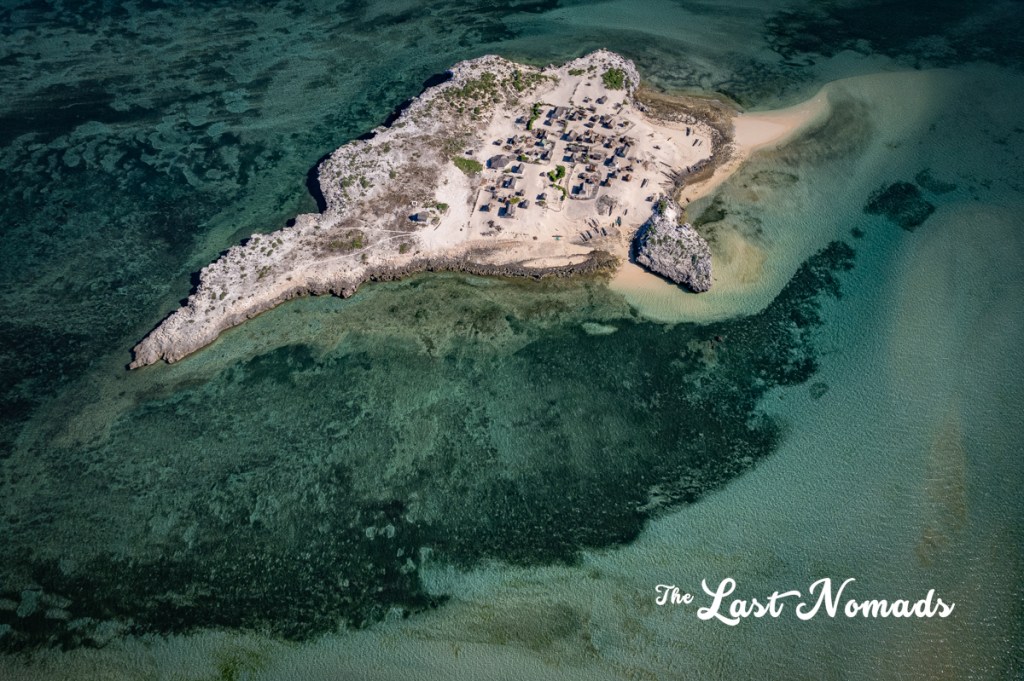
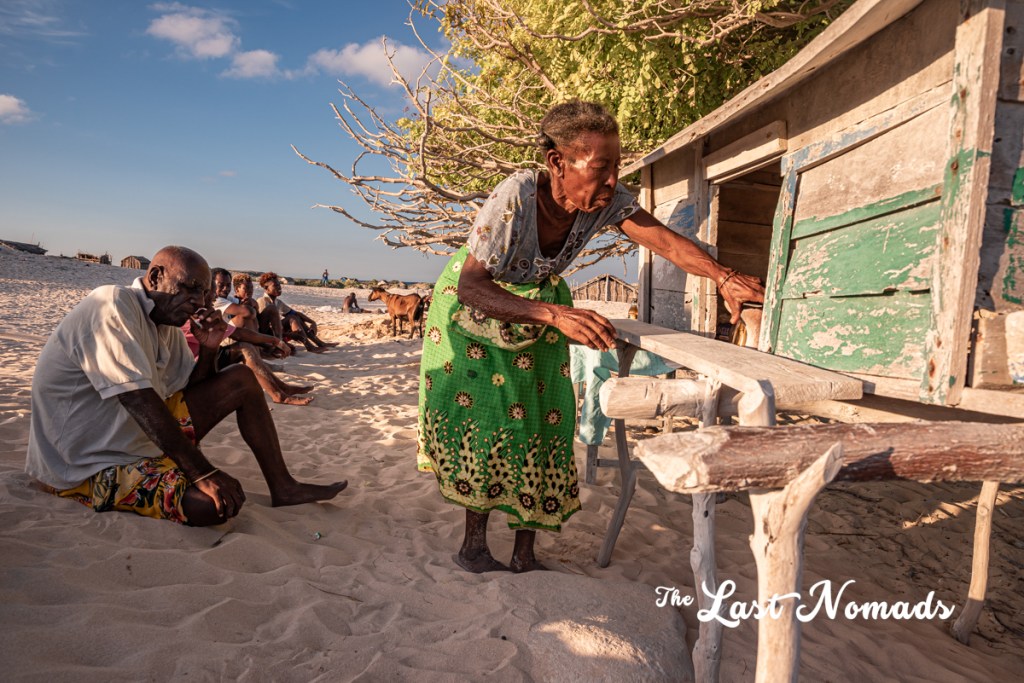
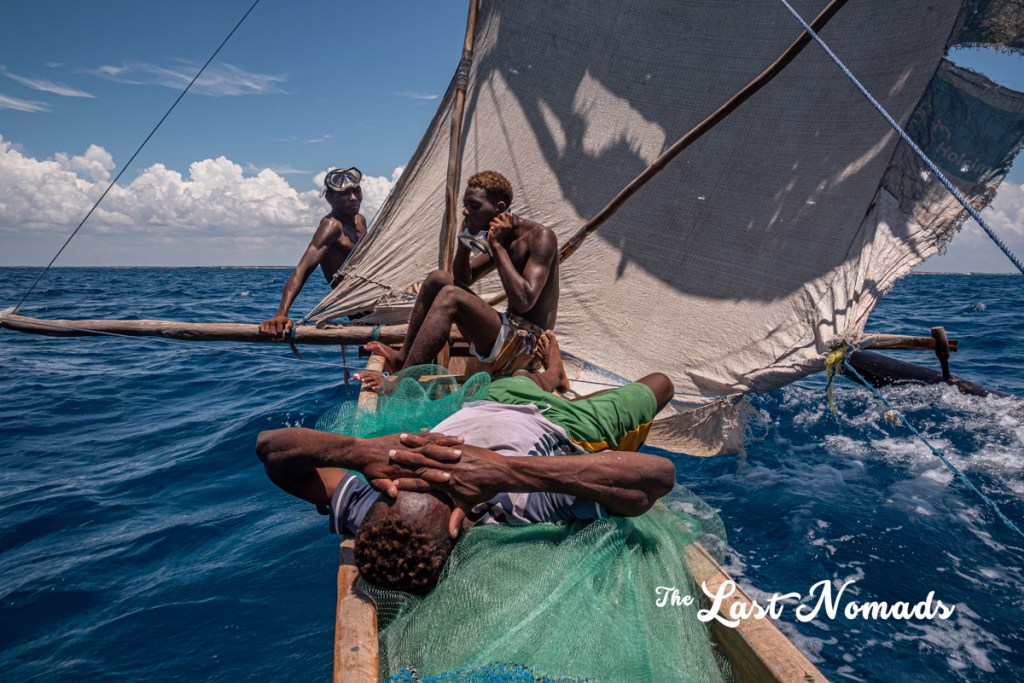
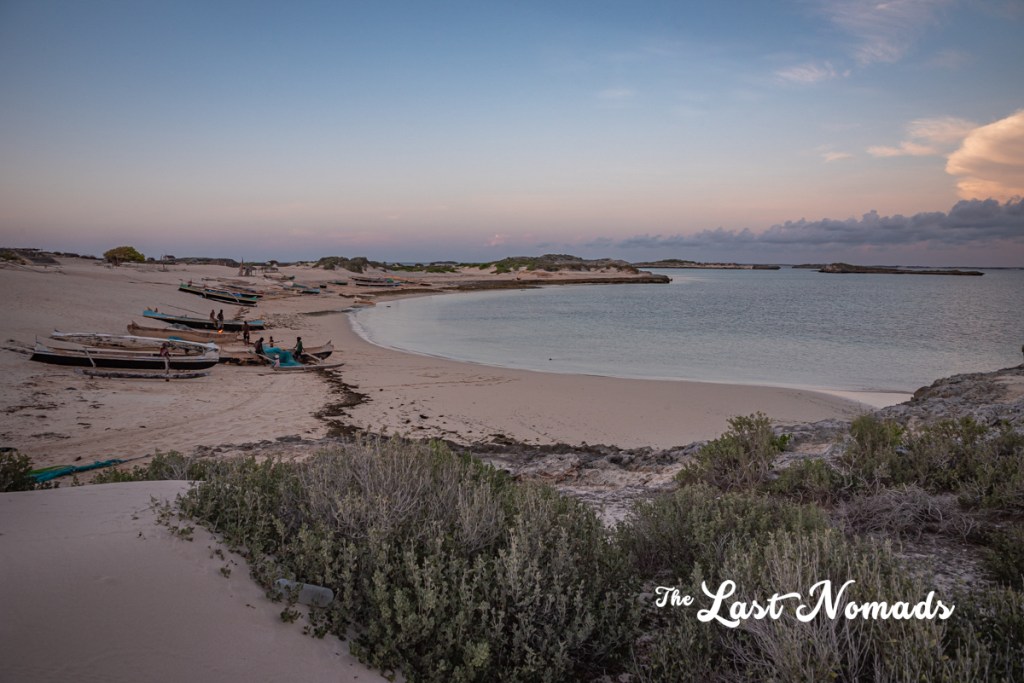
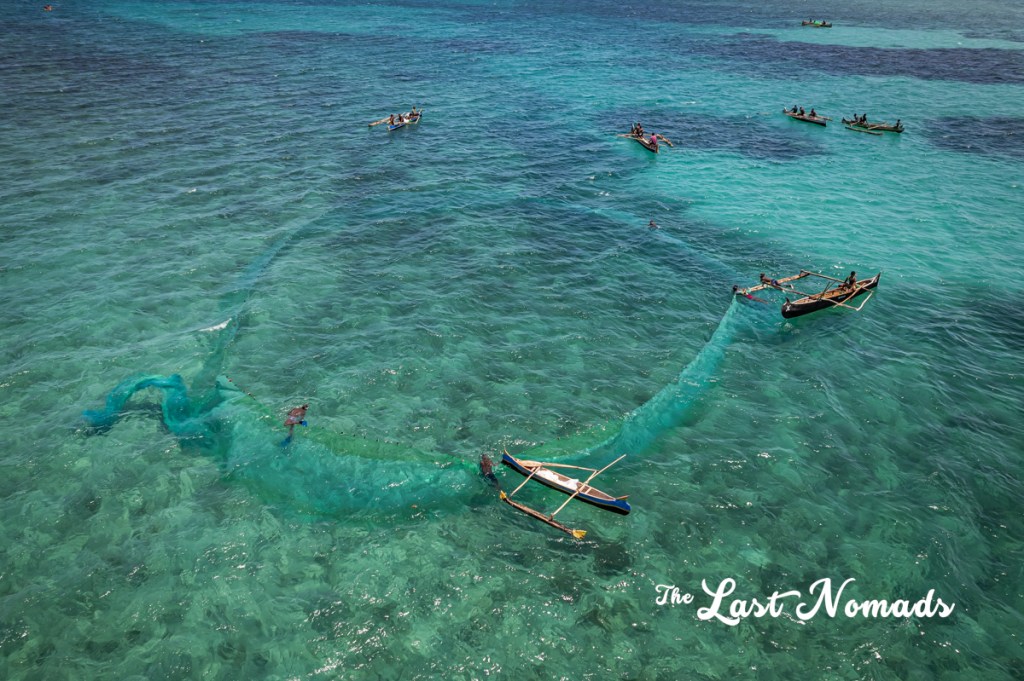
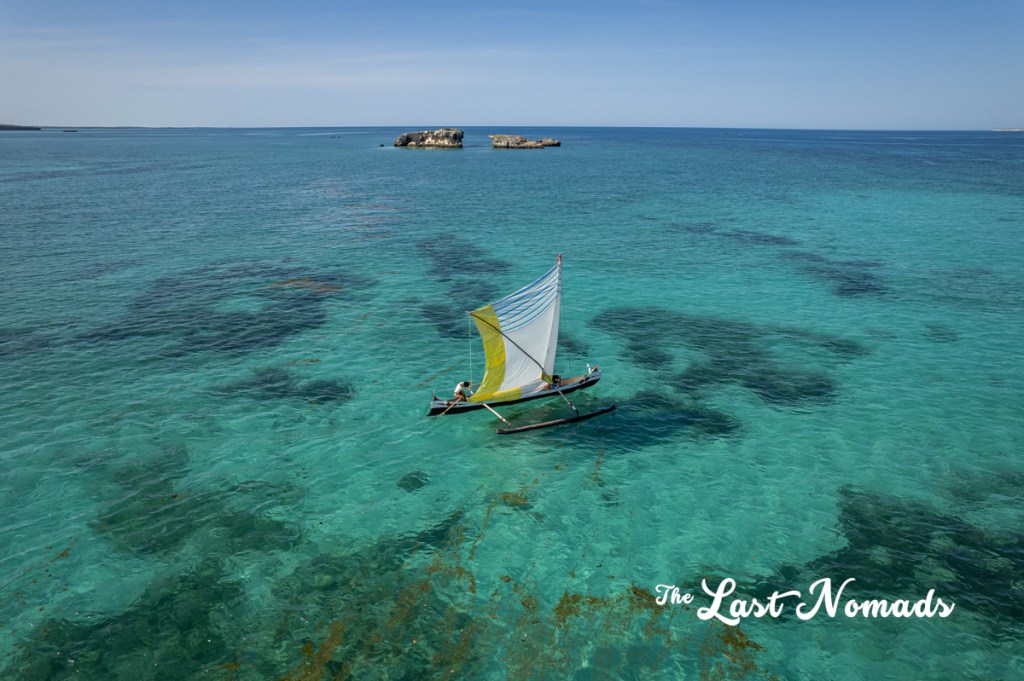
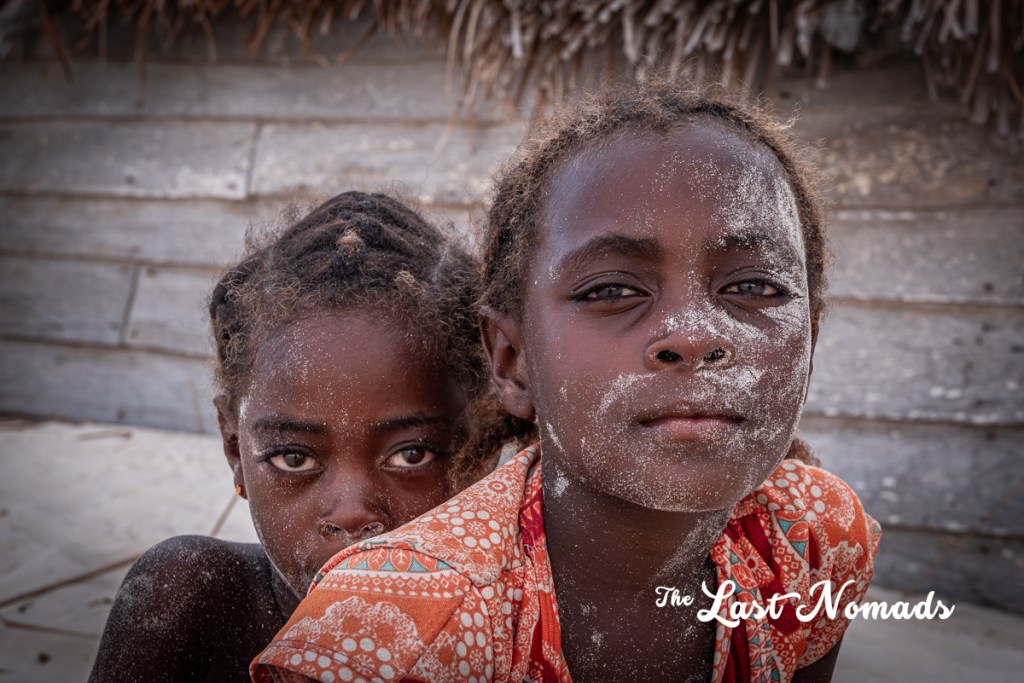
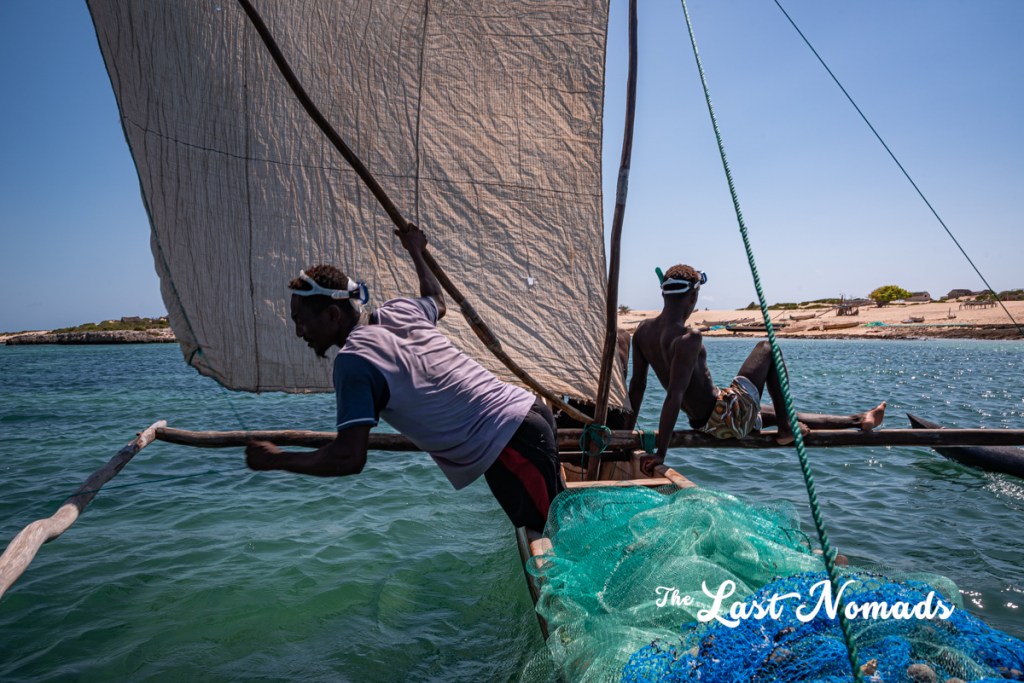
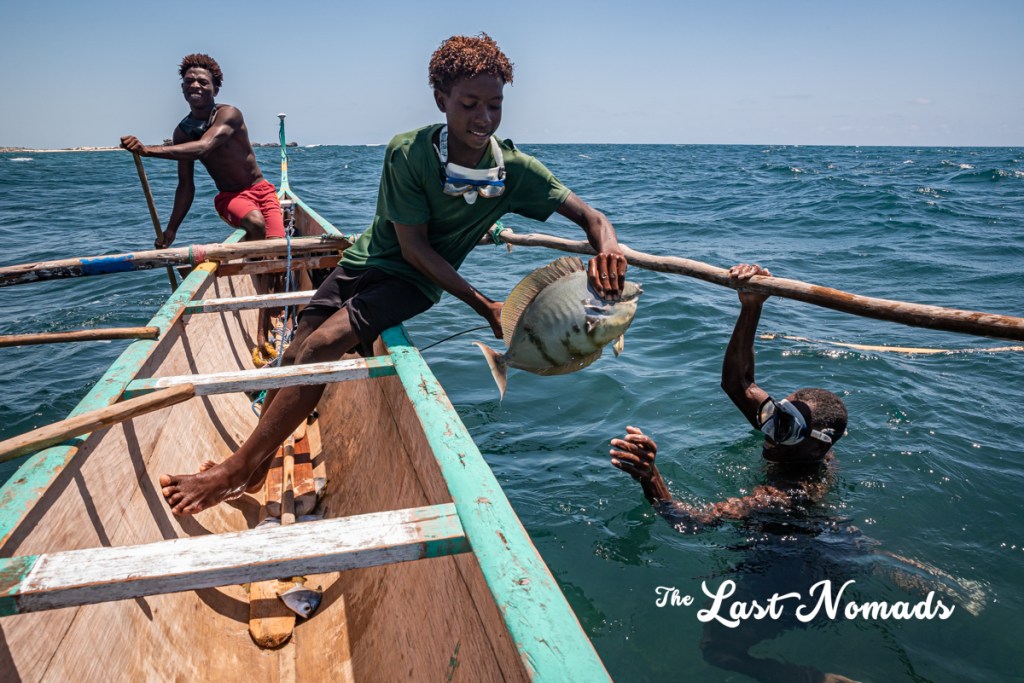
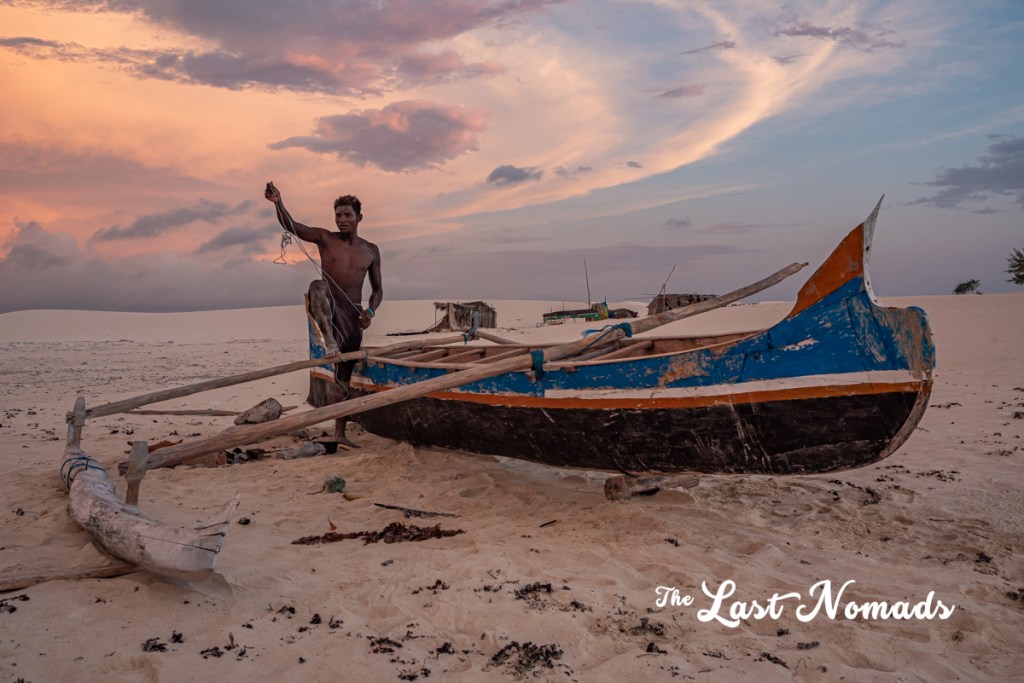
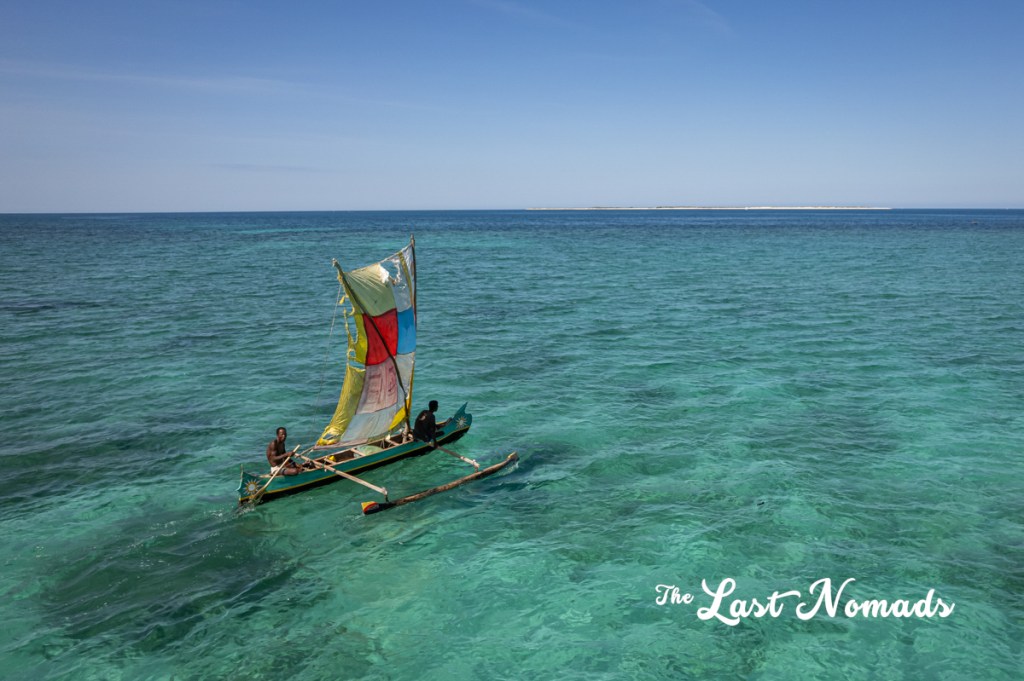
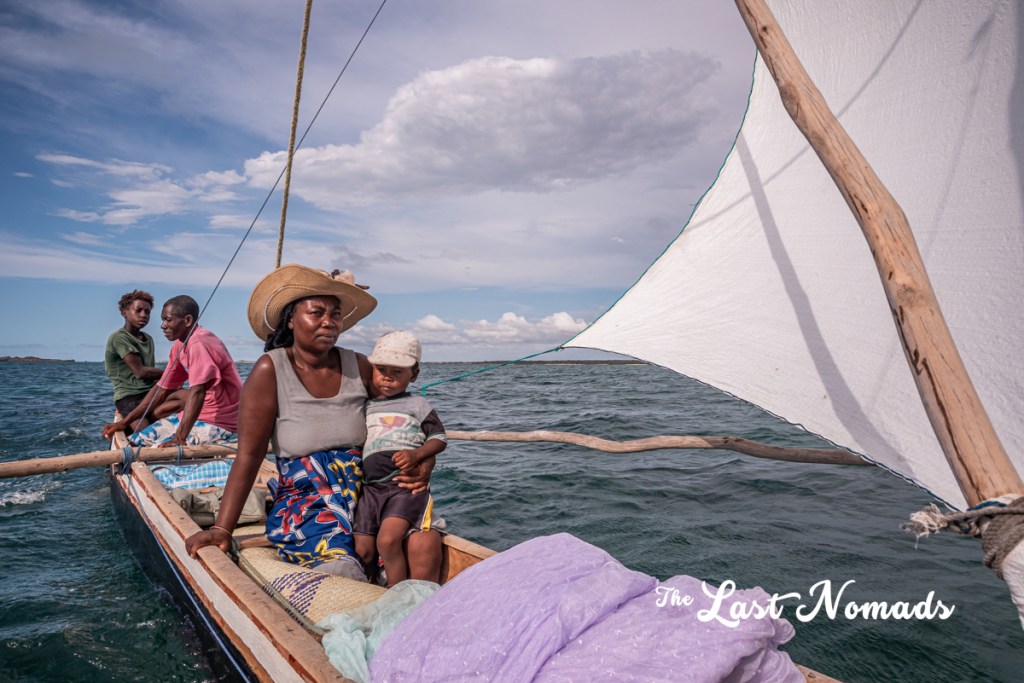
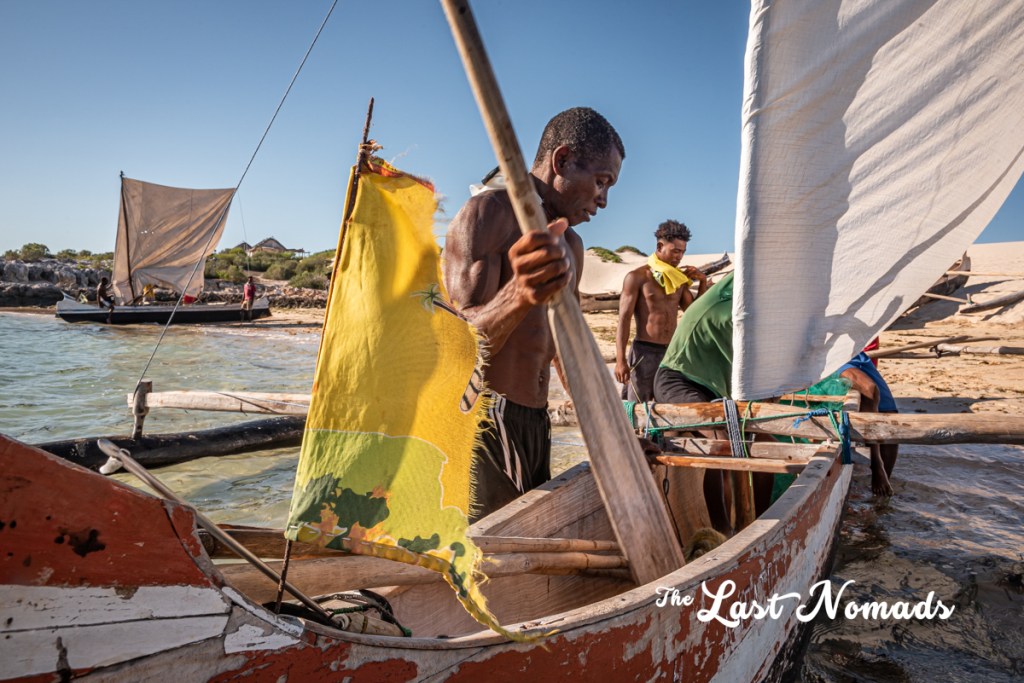
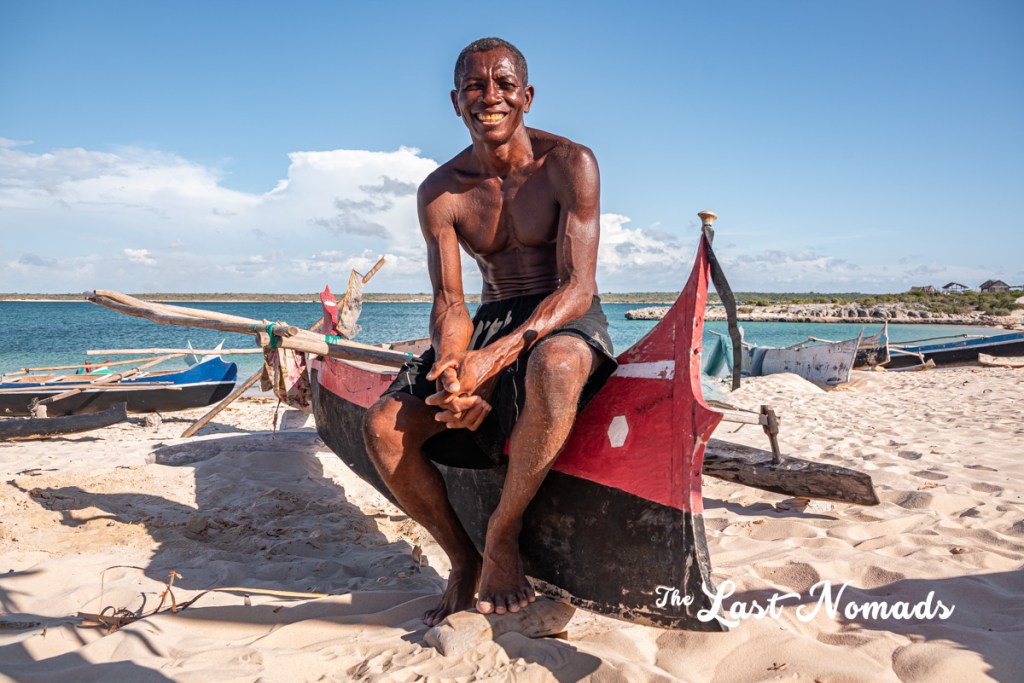
On the sunlit shores of southwestern Madagascar, the Vezo people have long lived in harmony with the ocean, relying on its bounty for survival. Known as «nomads of the sea» the Vezo are deeply connected to the waters that sustain them. From their handcrafted pirogues, they navigate the Mozambique Channel with skill and ingenuity, fishing to support their families and maintain their cultural heritage. But this harmony with the sea is increasingly under threat, as environmental and social pressures reshape their lives and challenge their resilience.
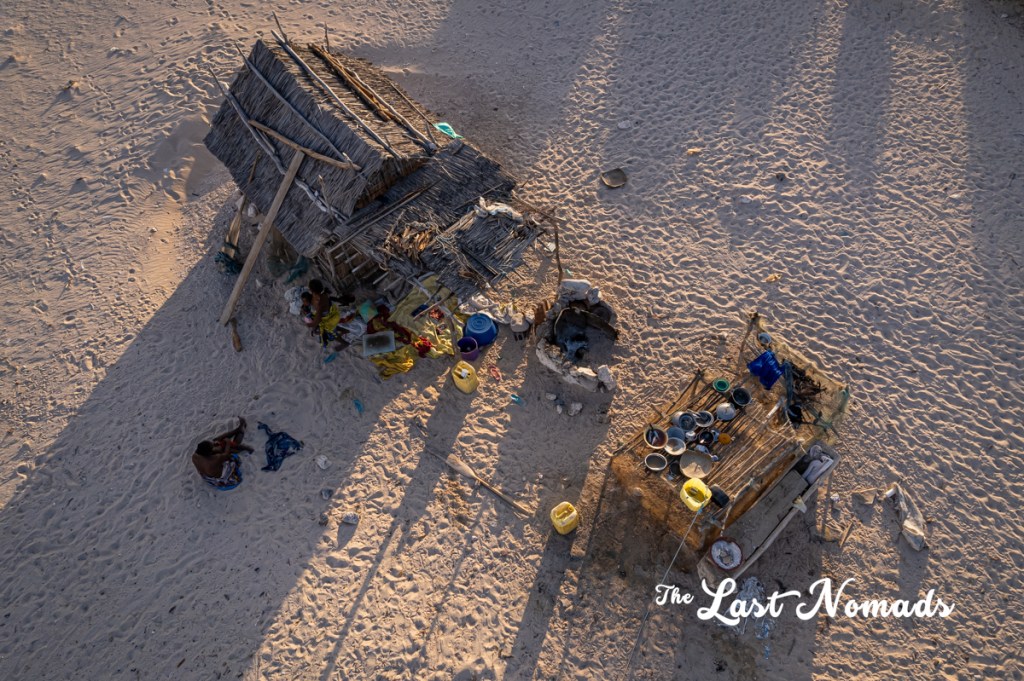
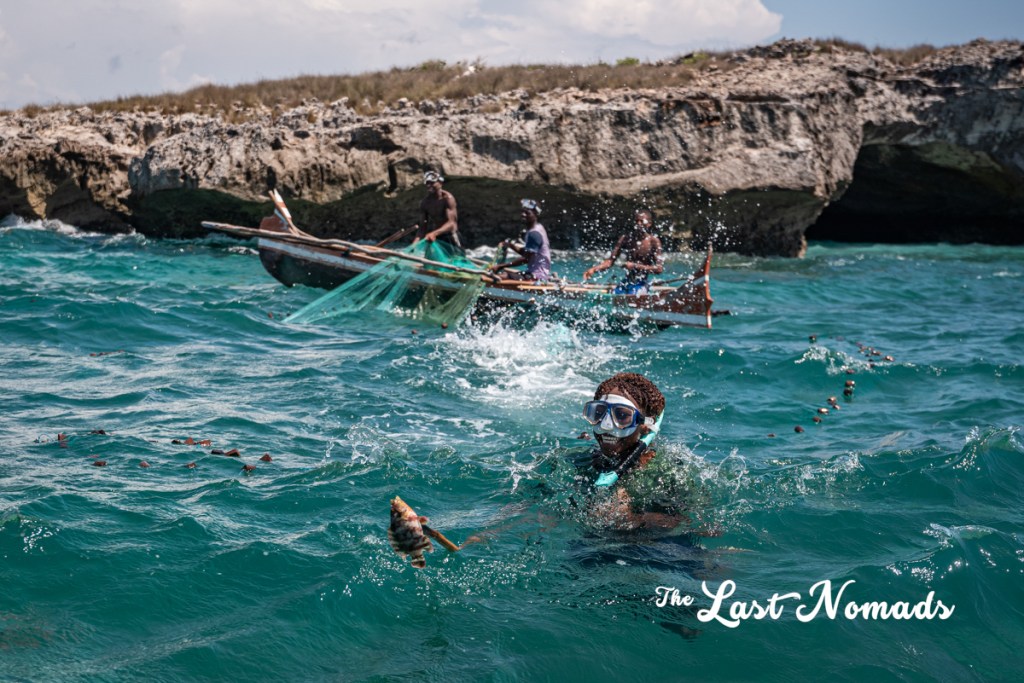
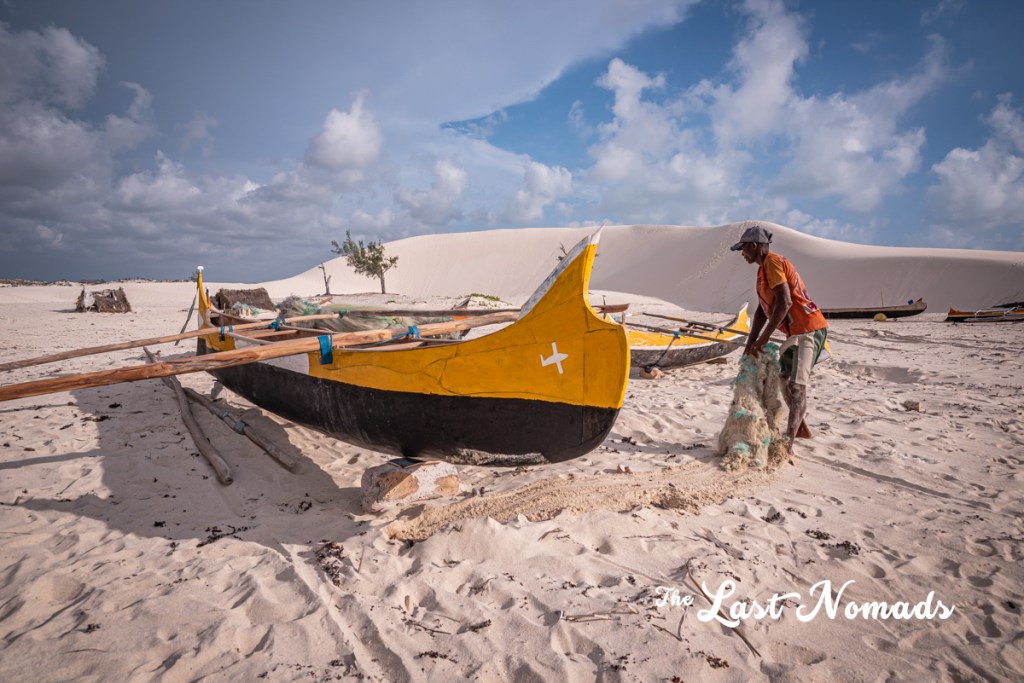
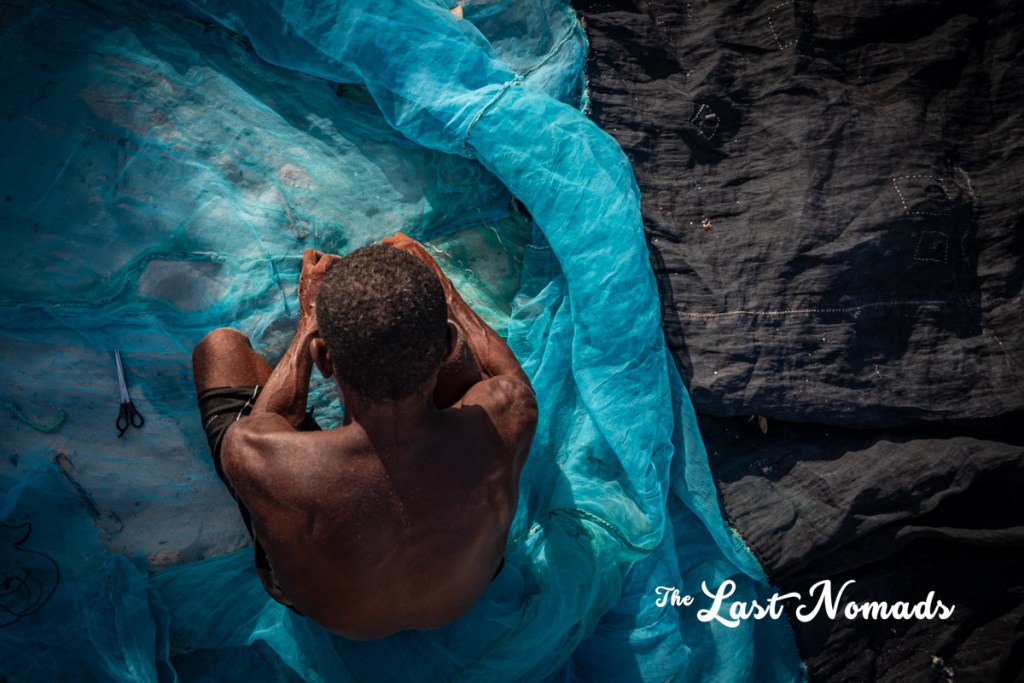
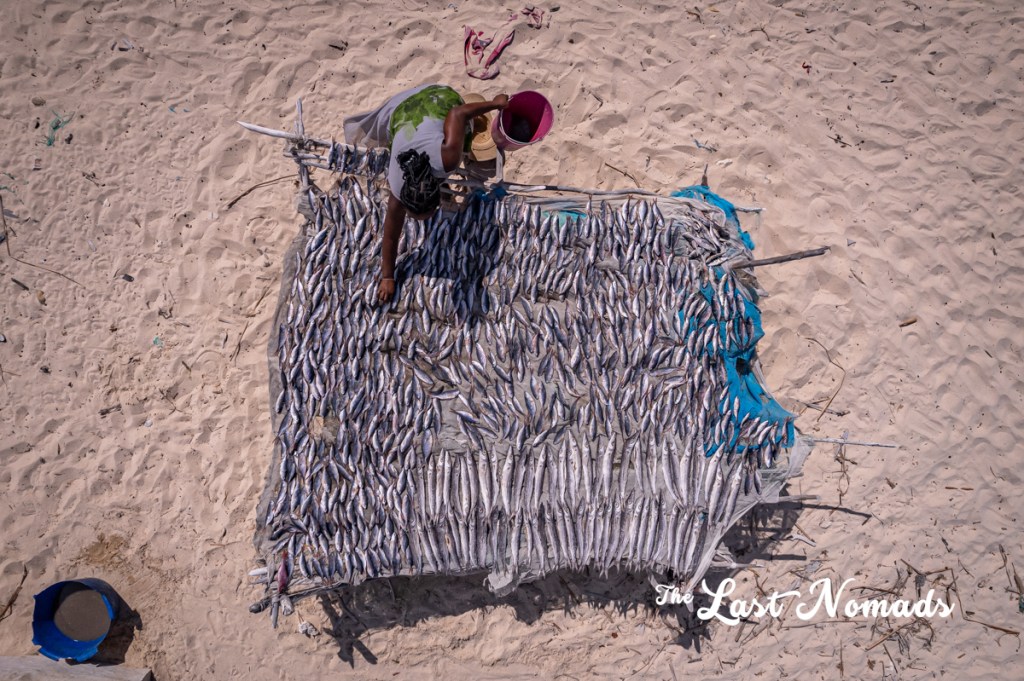
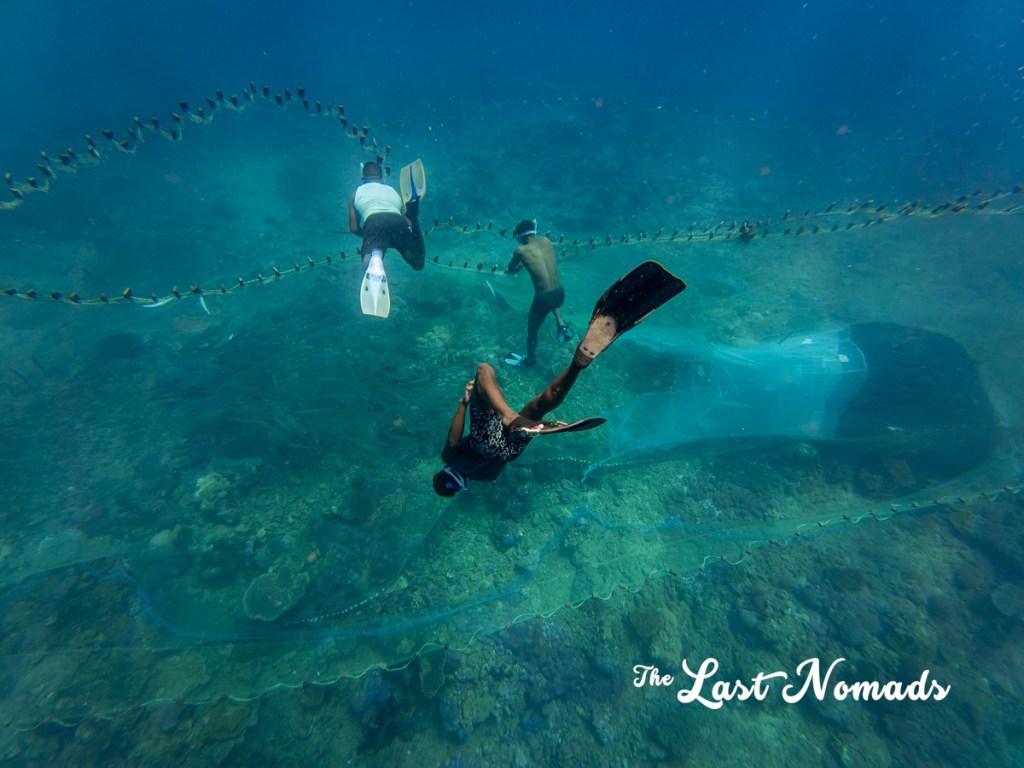
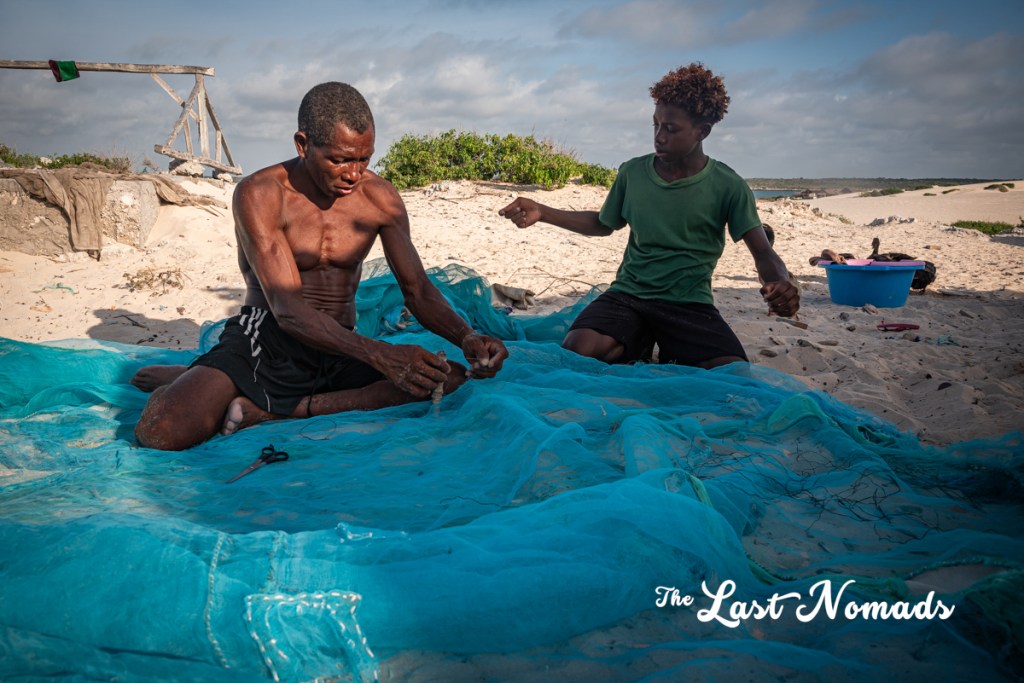
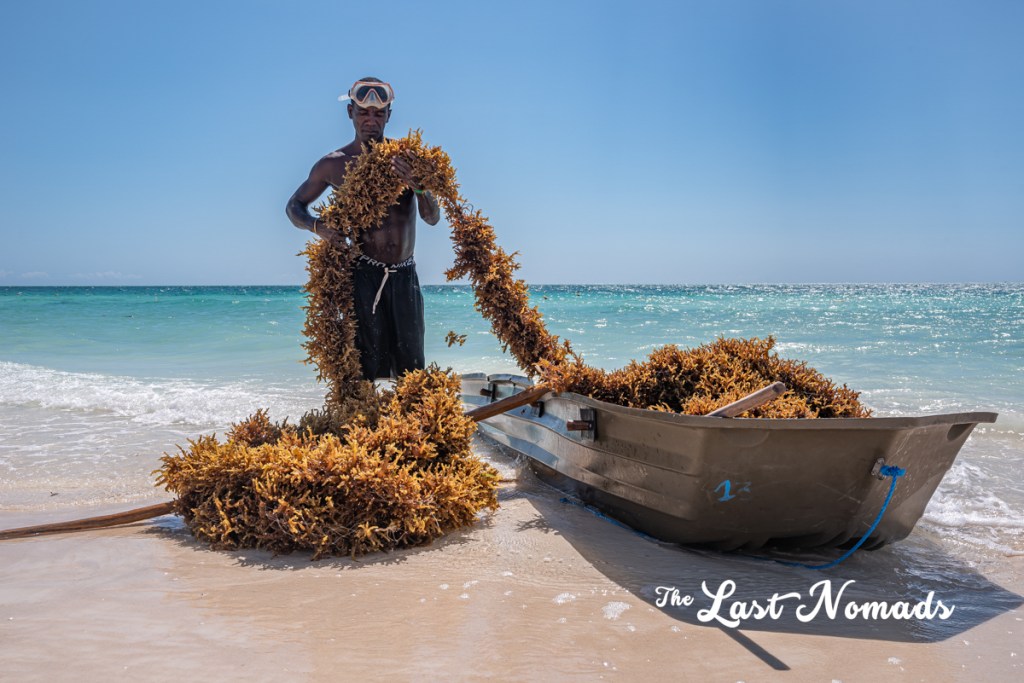
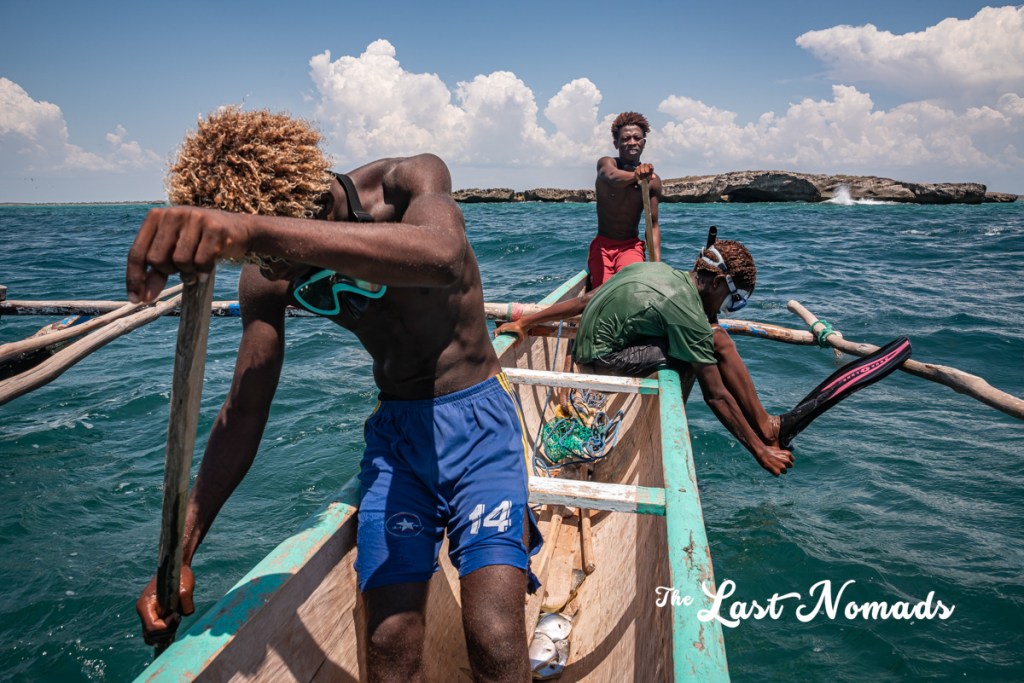
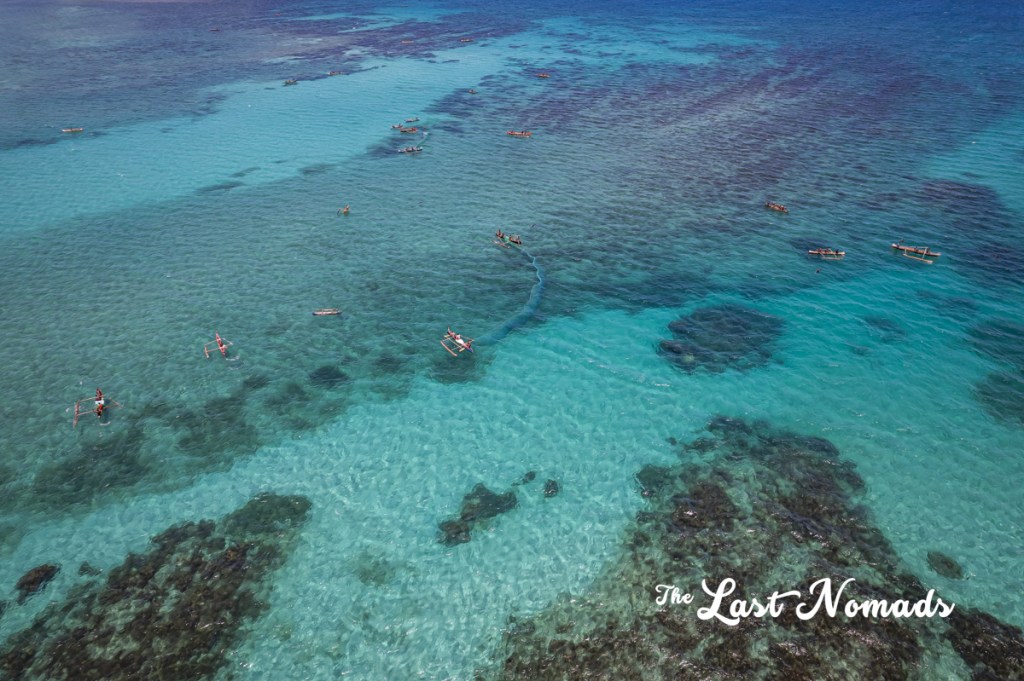
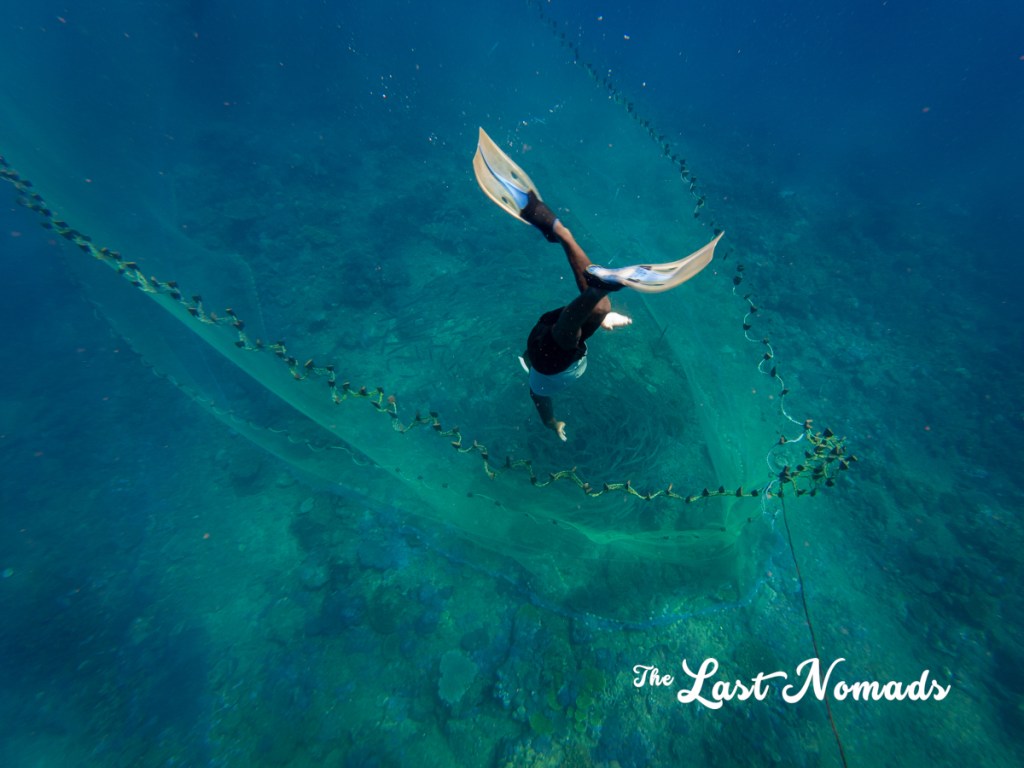
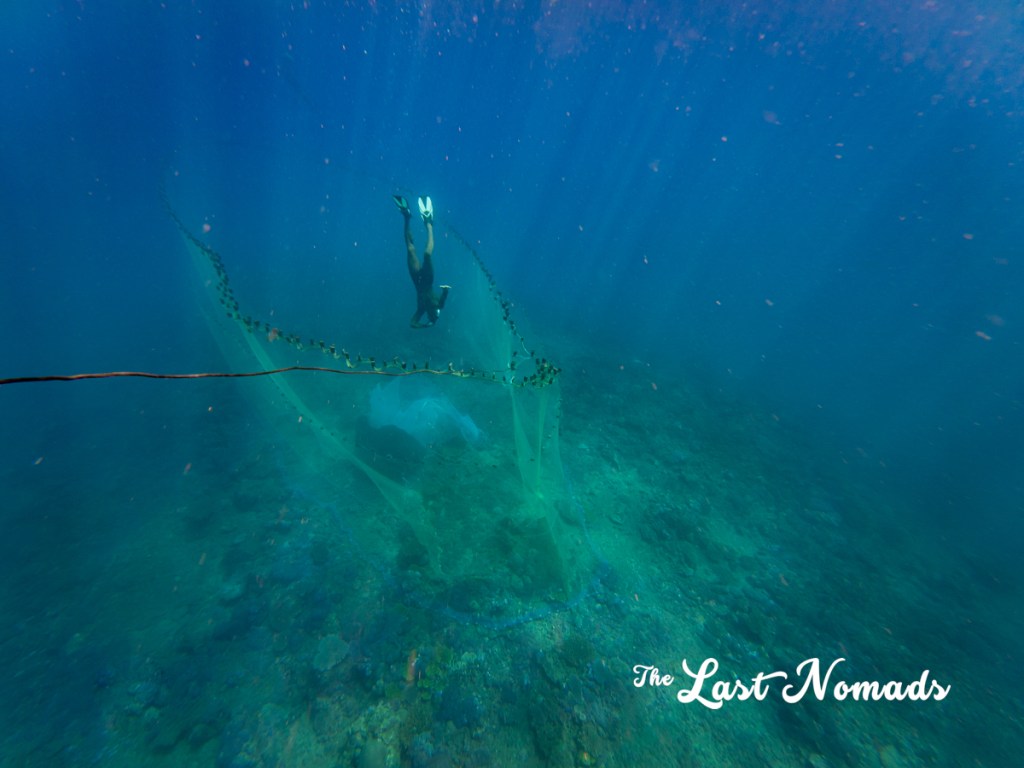
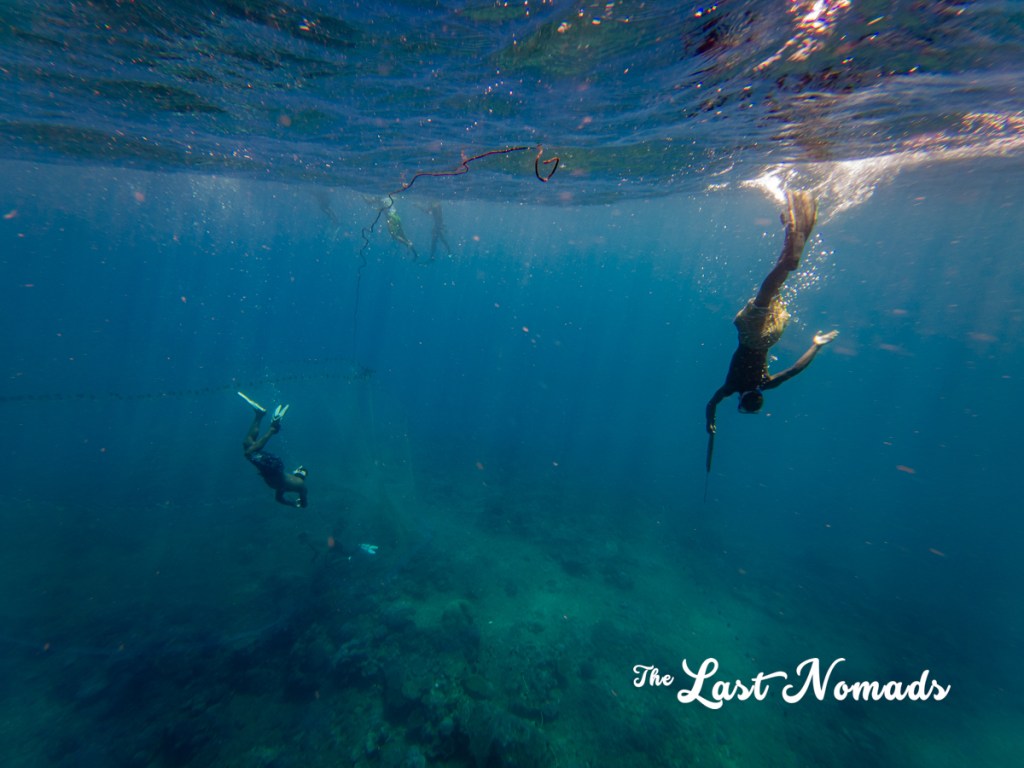
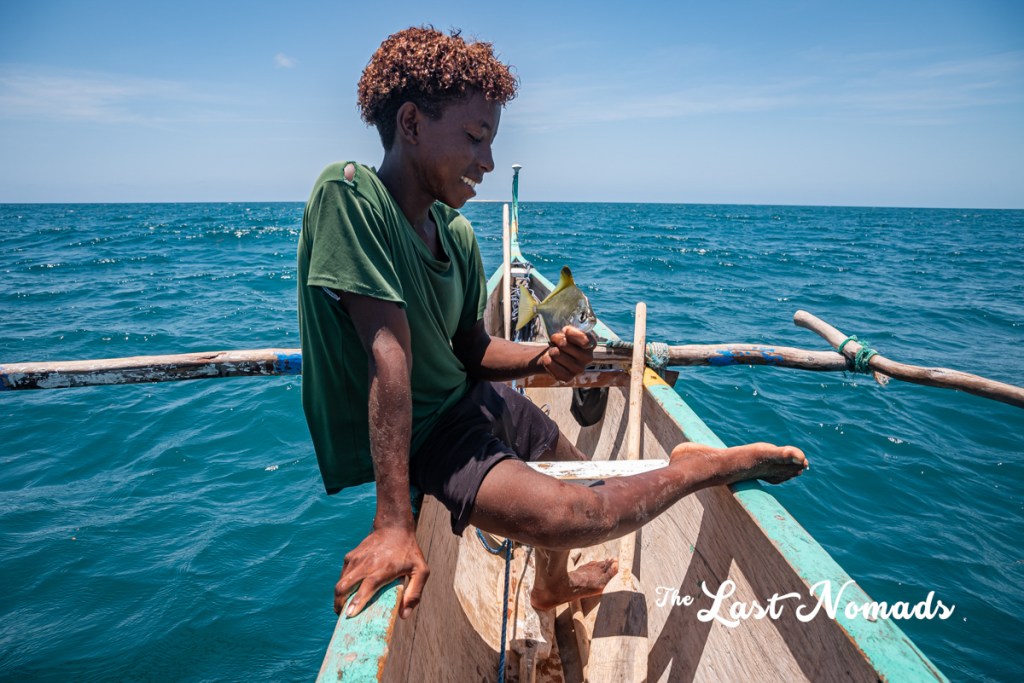
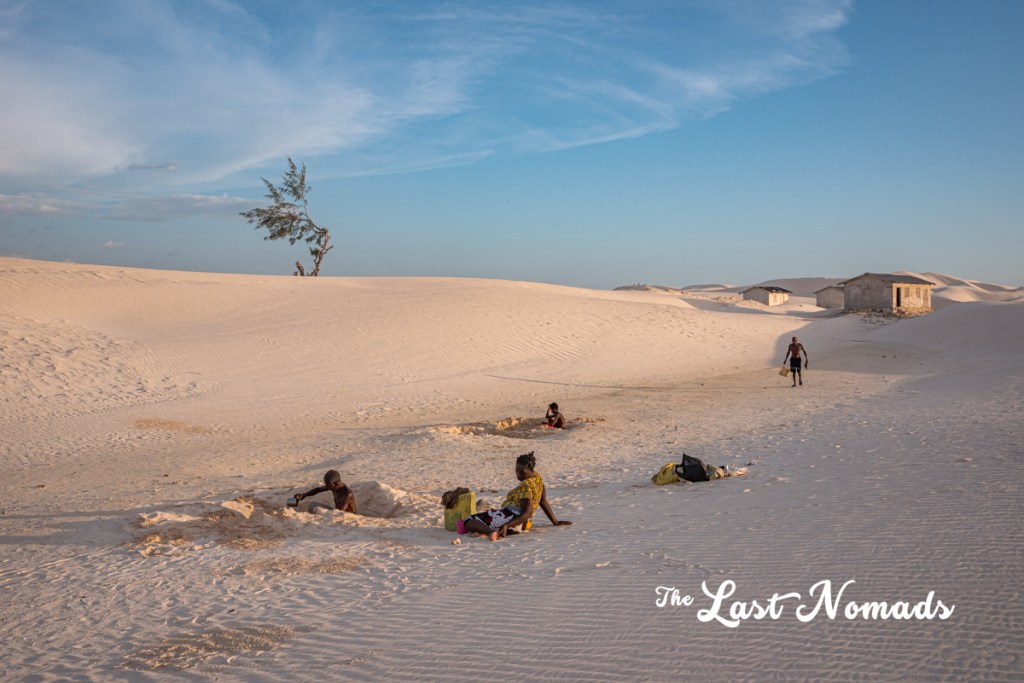
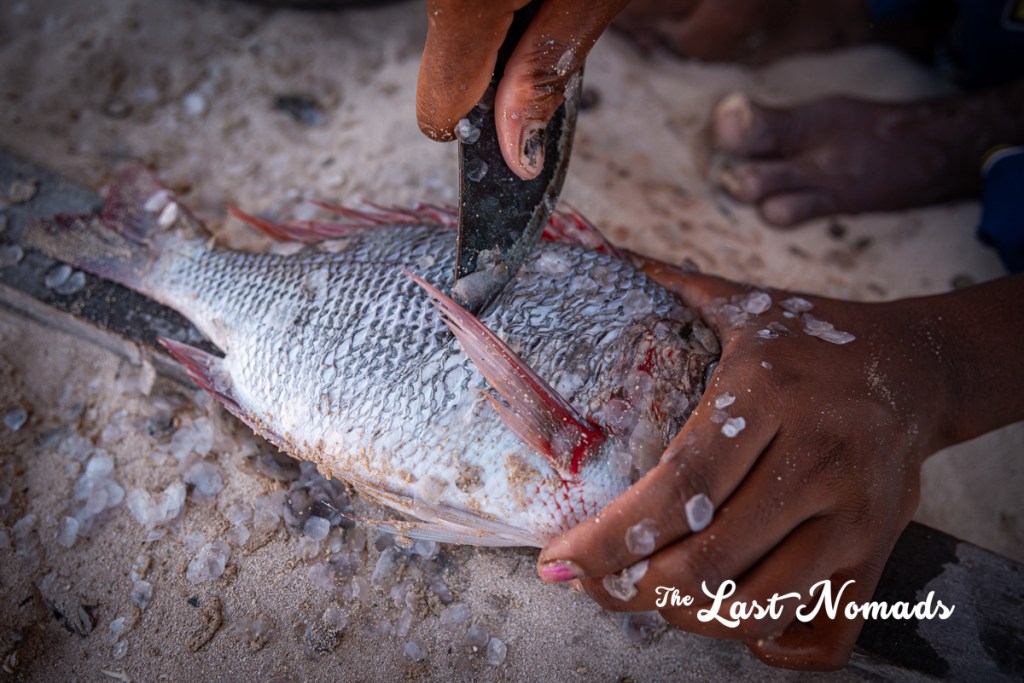
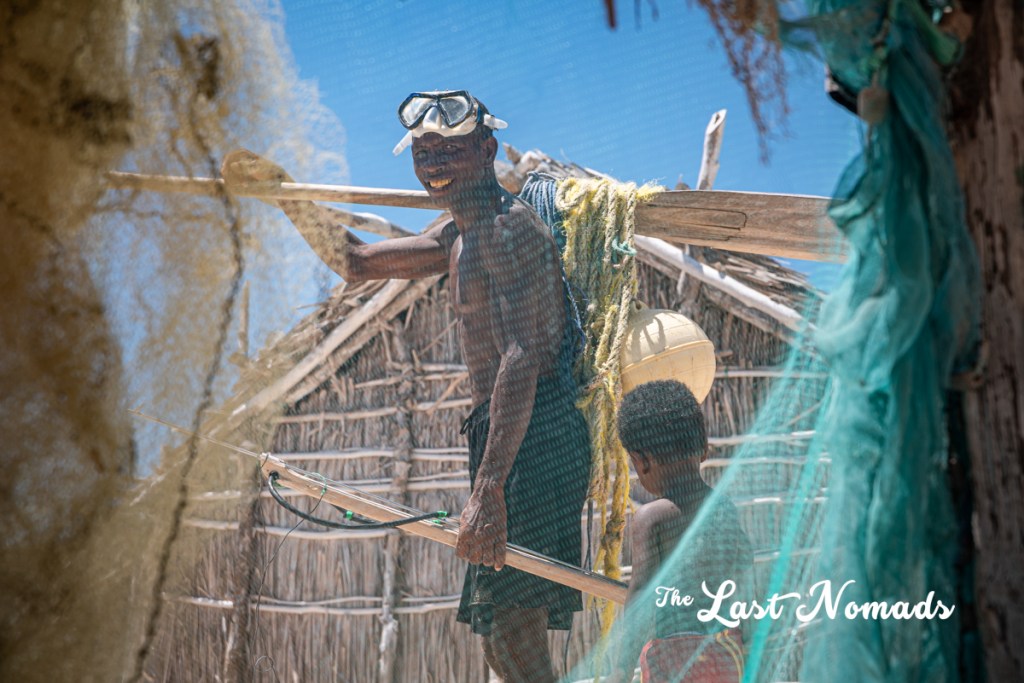
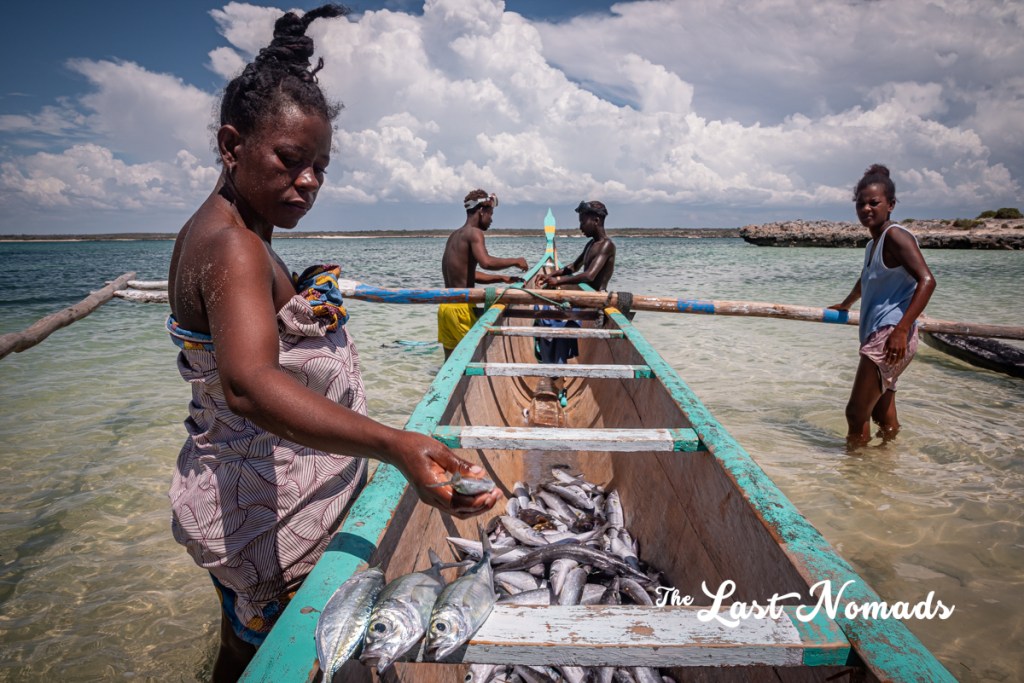
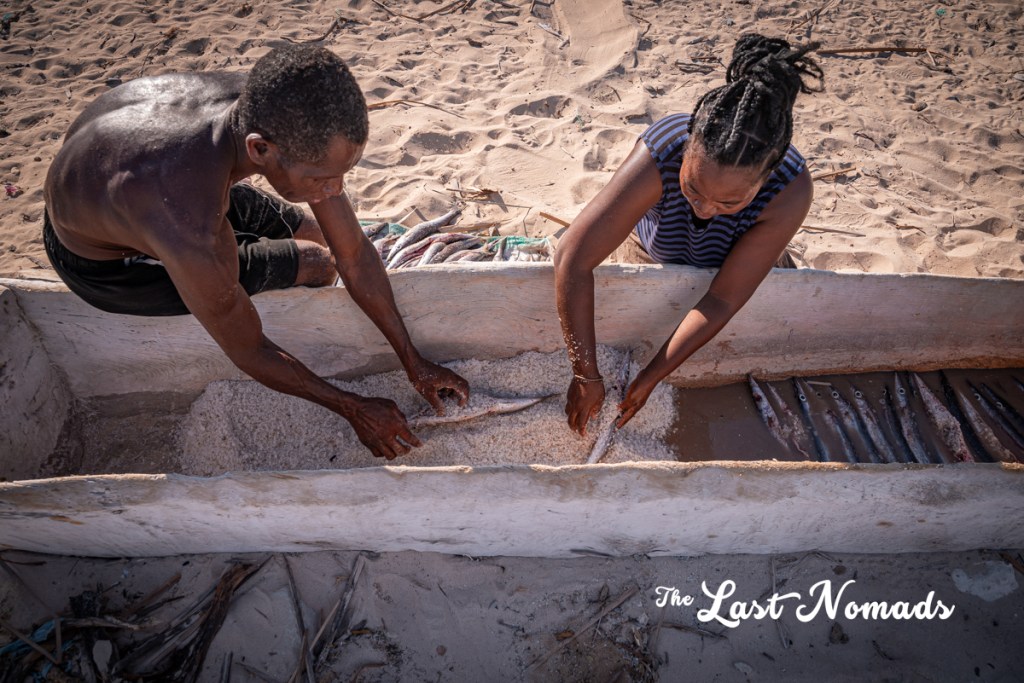
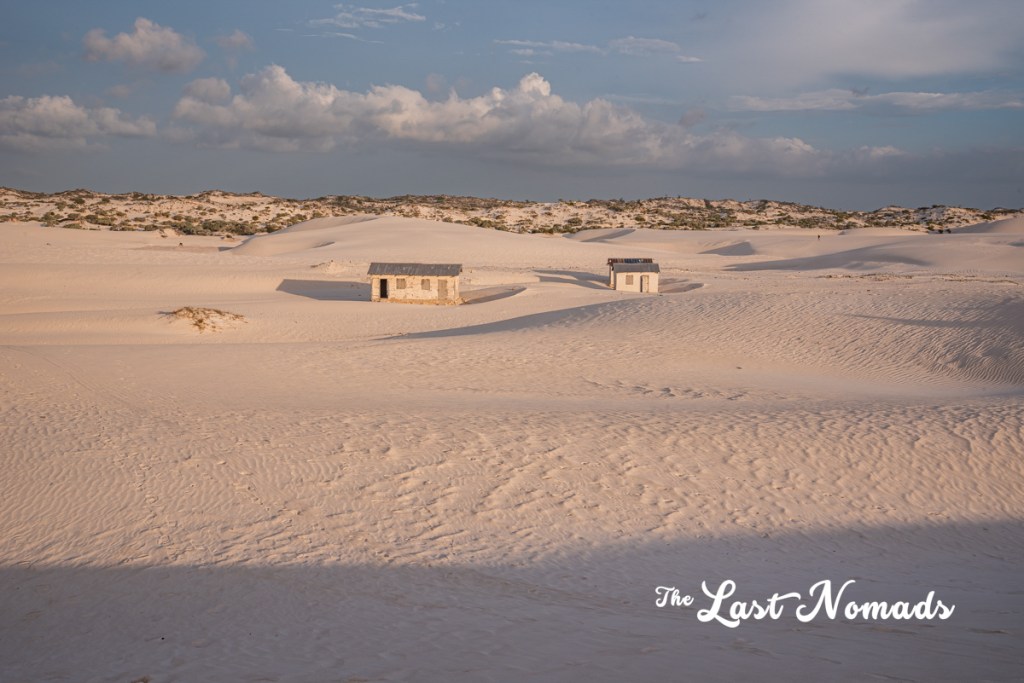
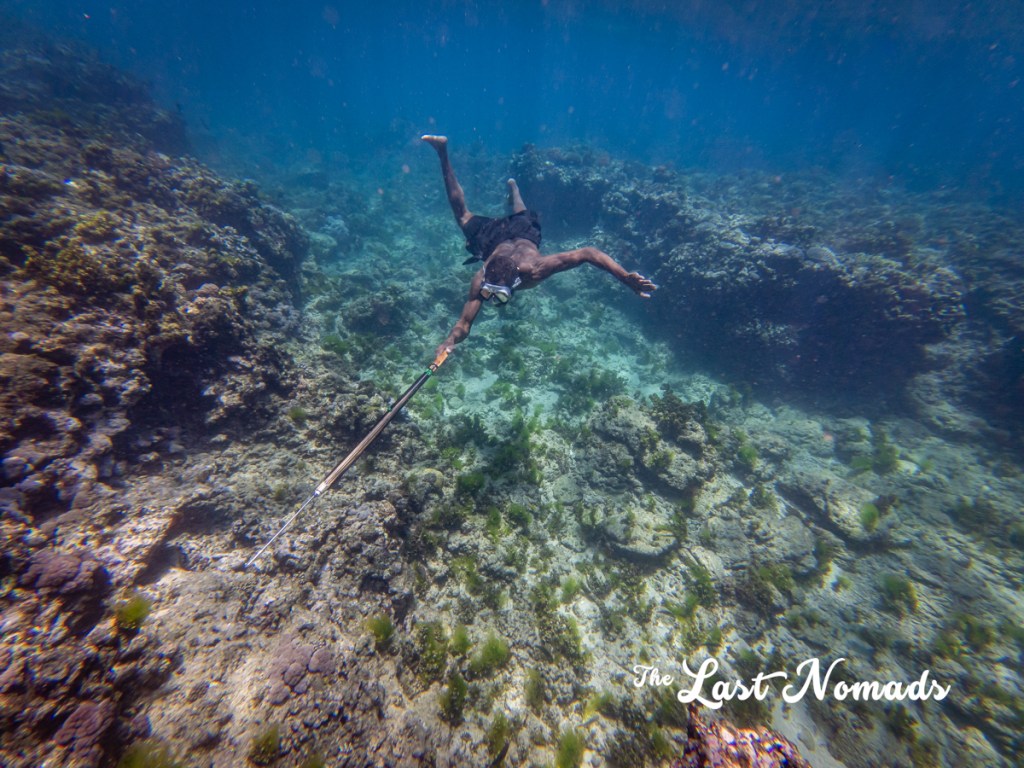
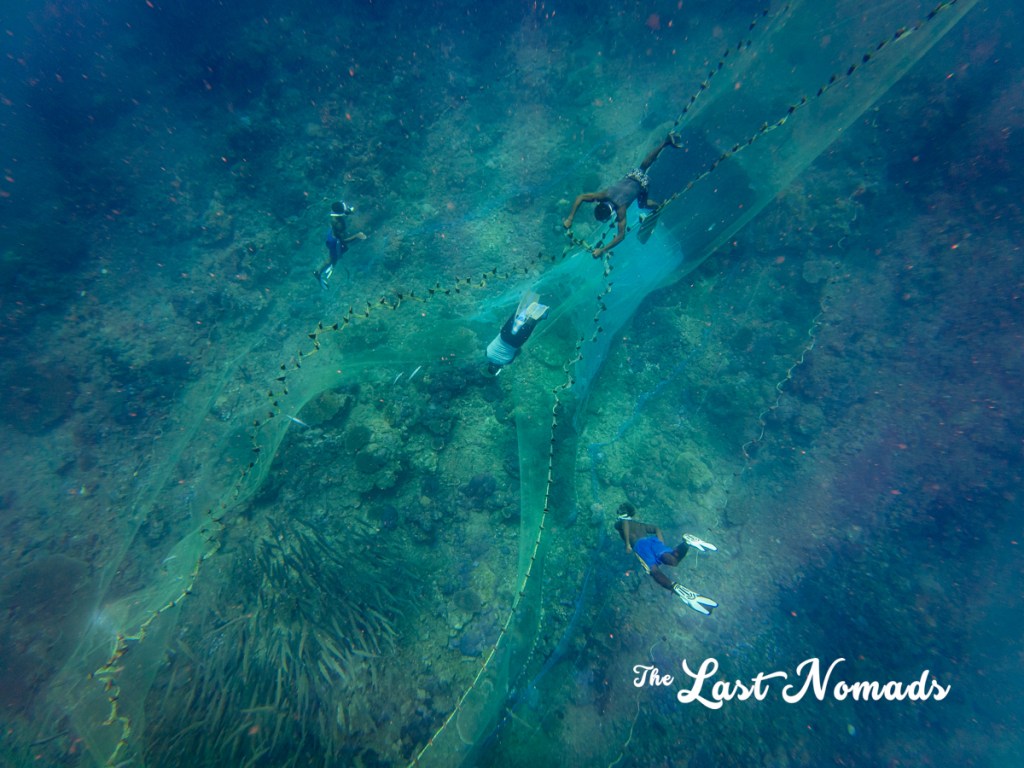
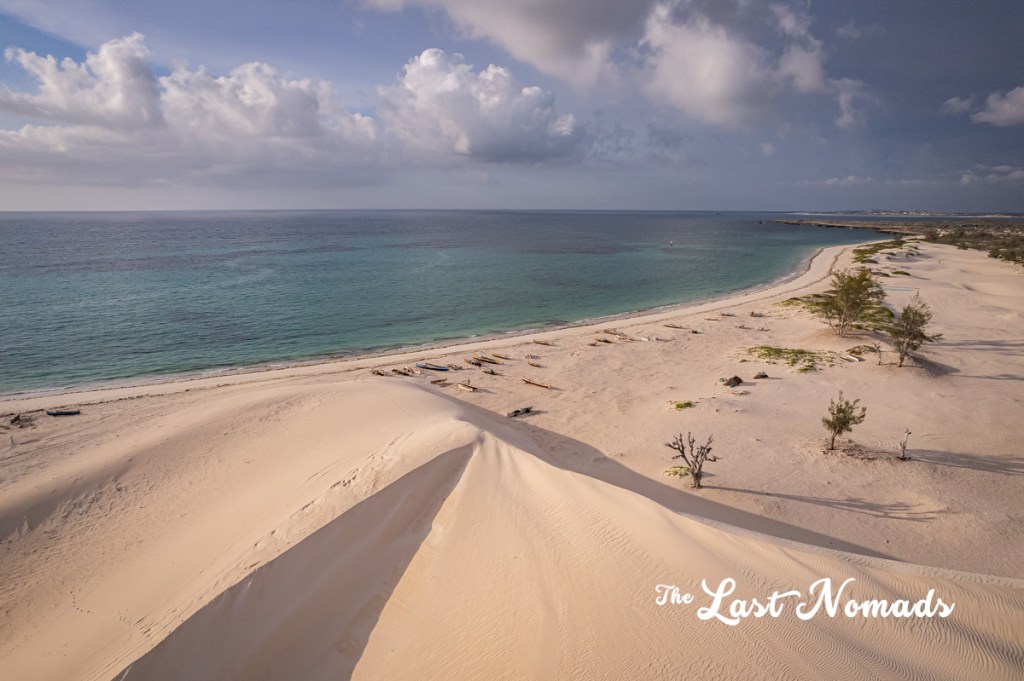
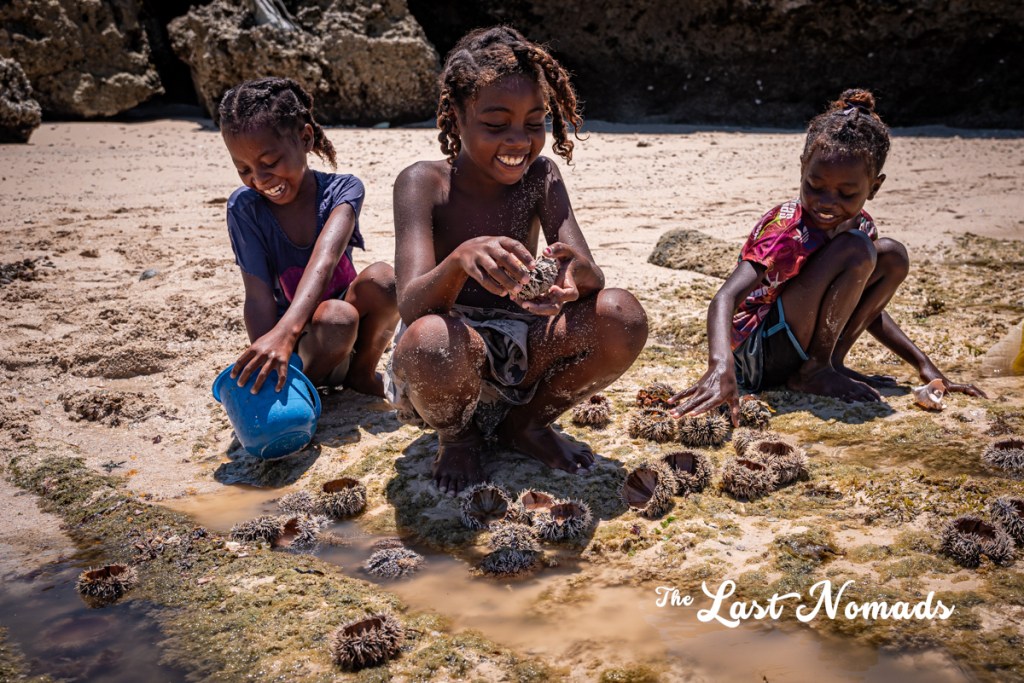
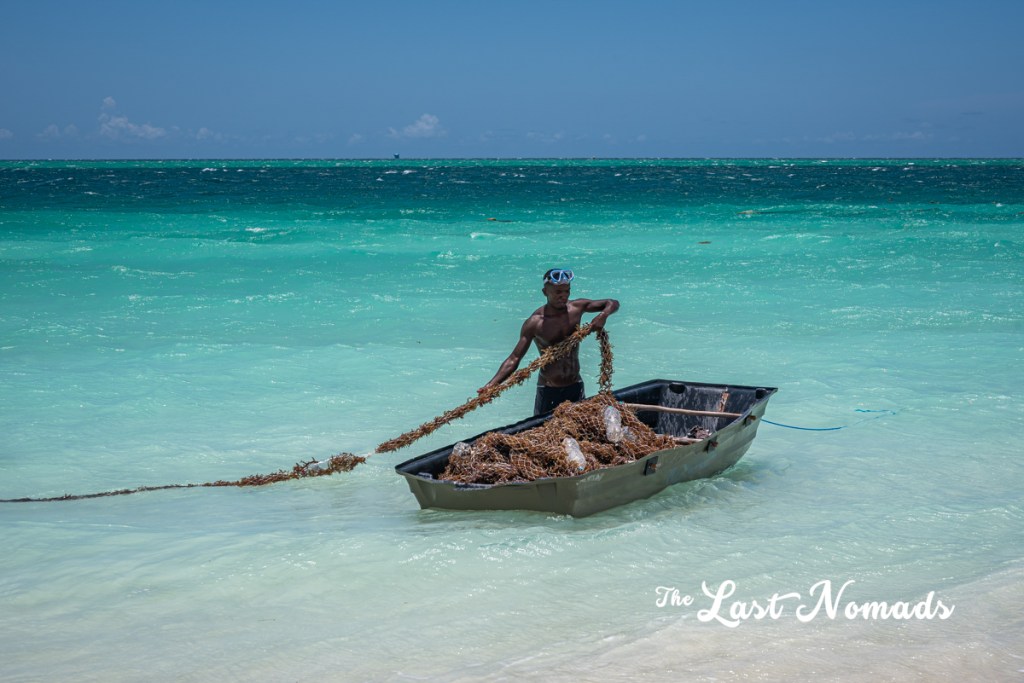
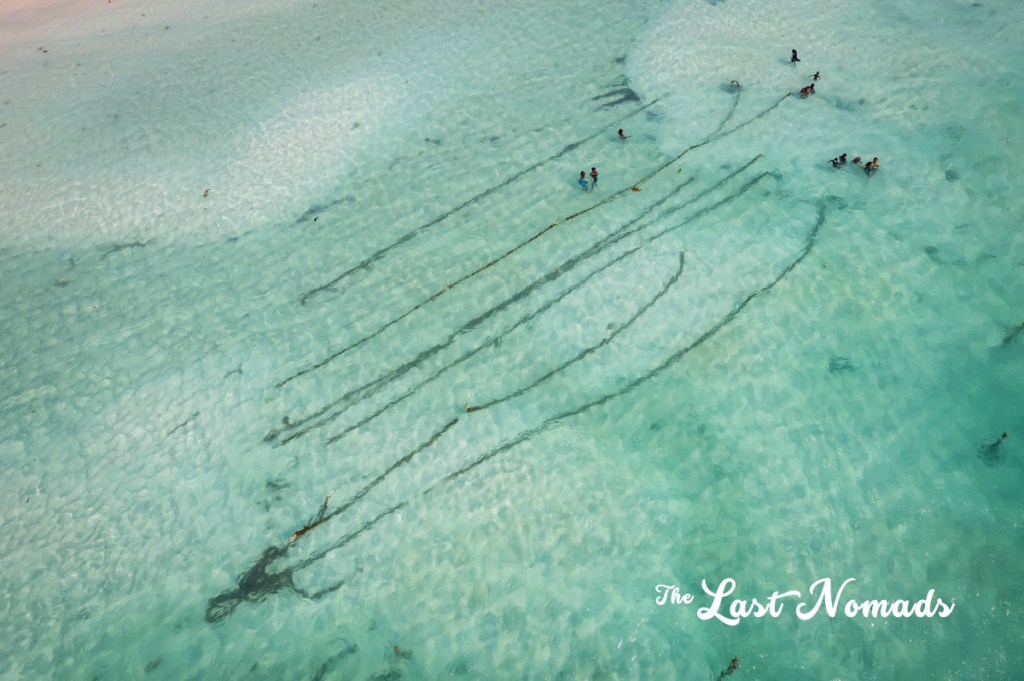
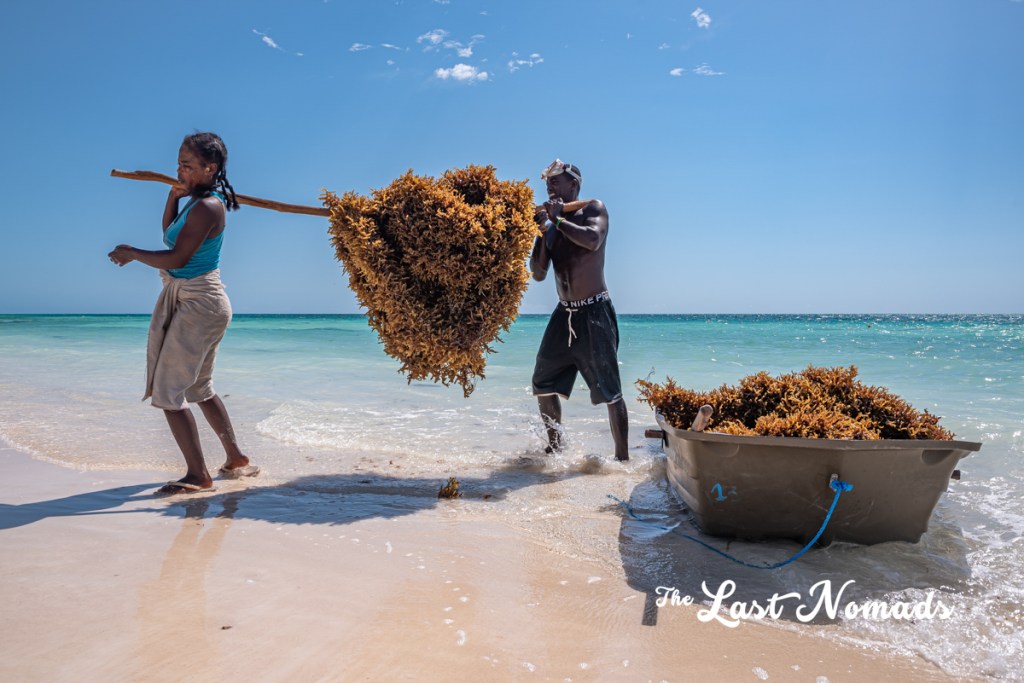
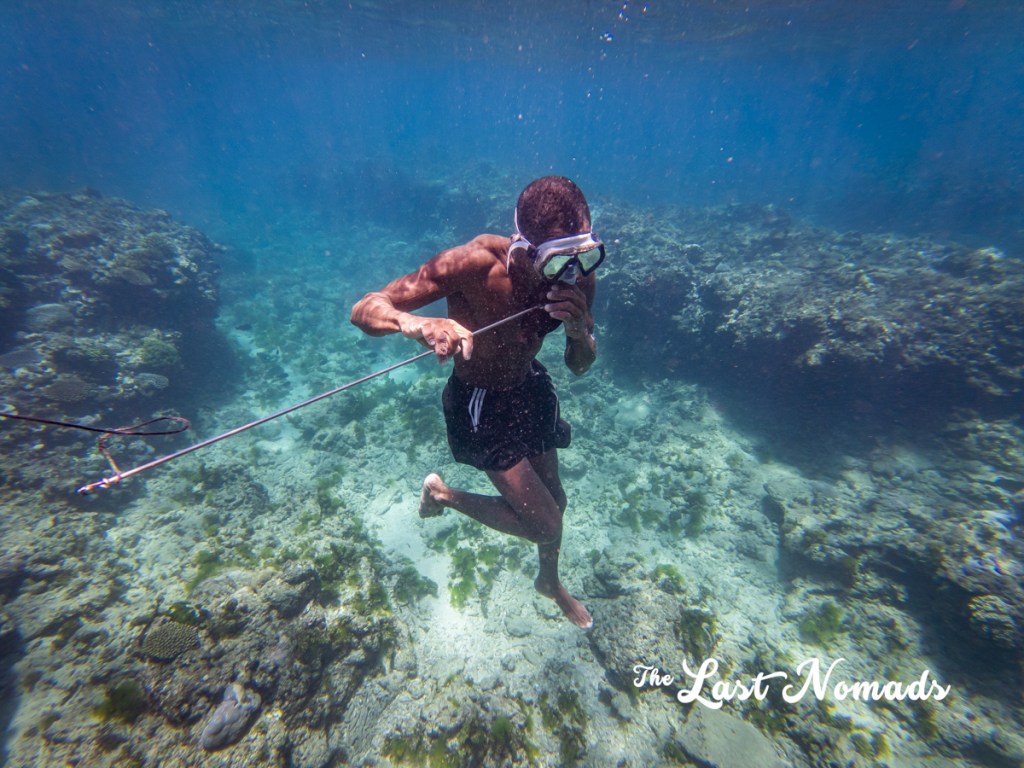
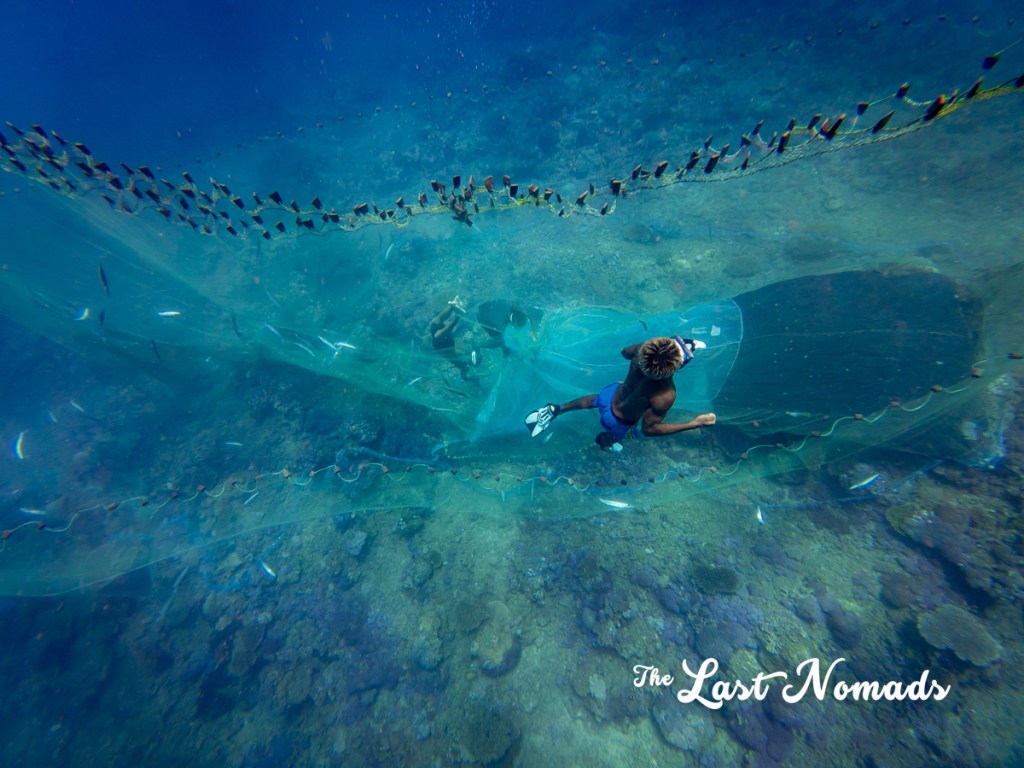
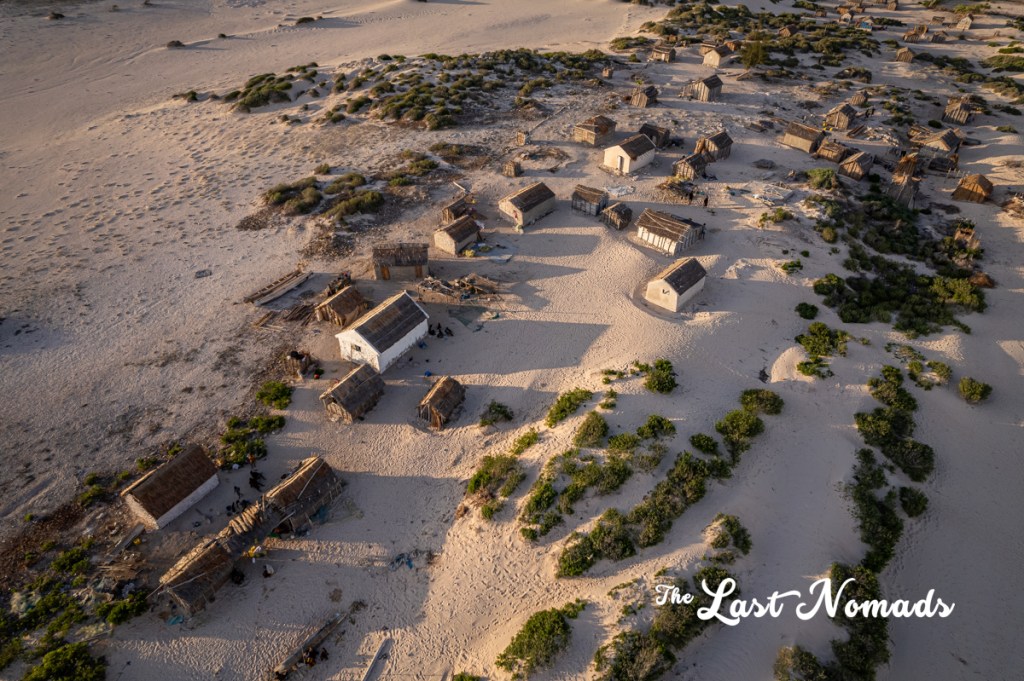
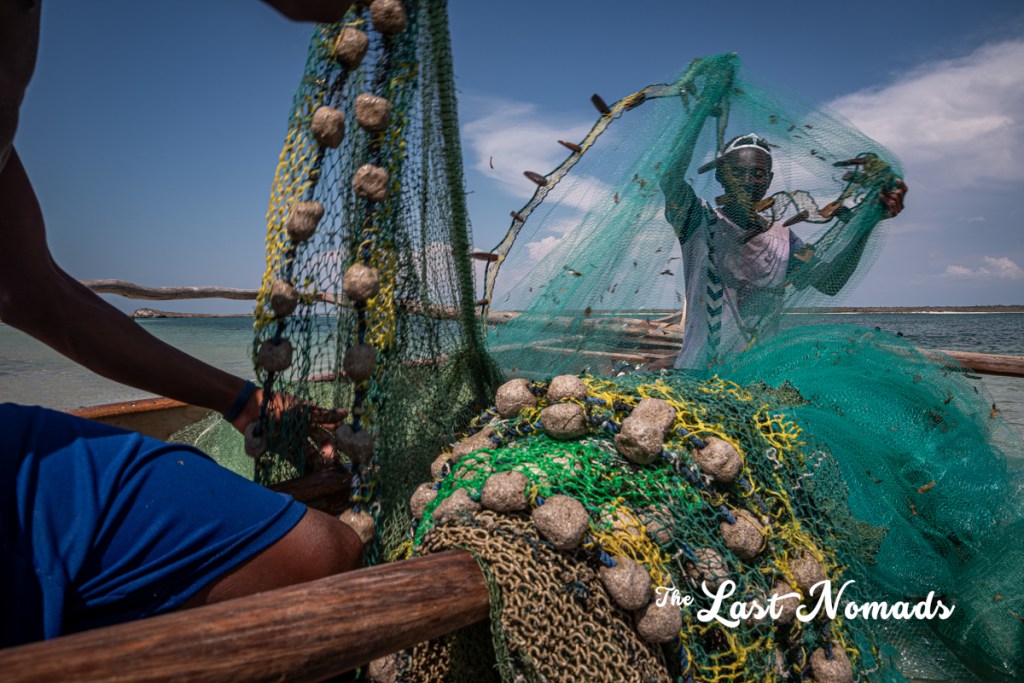
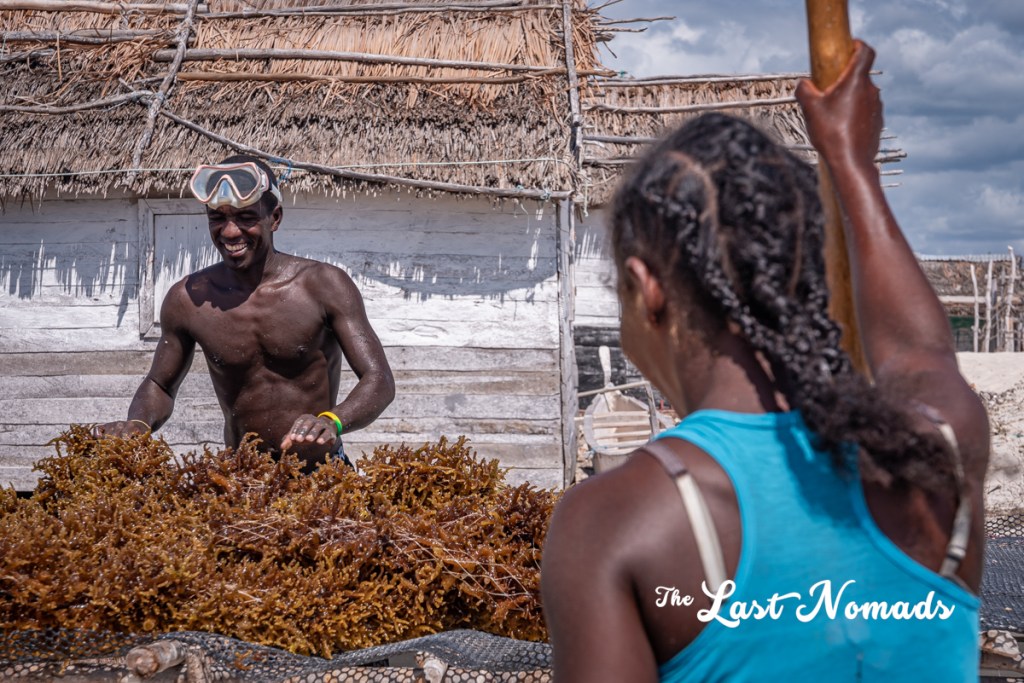
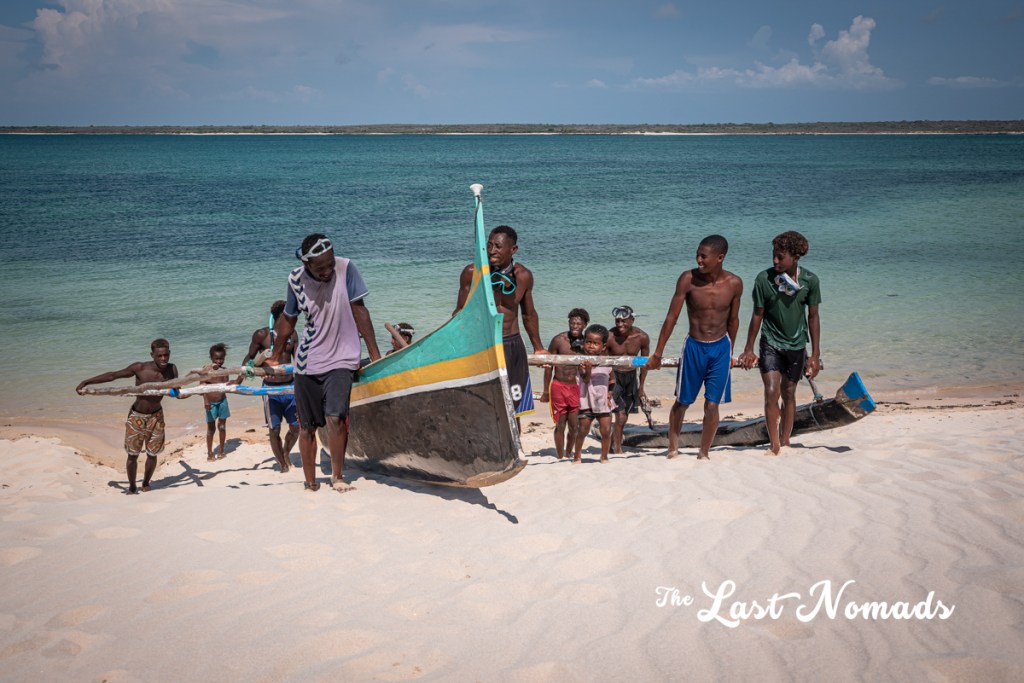
The Vezo’s relationship with the ocean is both practical and spiritual. For generations, they have depended on its resources, harvesting fish, octopus, and other marine life with traditional techniques passed down through the ages. Their handcrafted wooden canoes are not merely tools of survival but symbols of identity and pride. However, overfishing and the degradation of coral reefs have made these waters less predictable. Many Vezo fishermen now travel further offshore, exposing themselves to greater risks in search of dwindling catches. Adding to their challenges are rising sea levels and the impacts of climate change. Storm surges and coastal erosion threaten the very villages the Vezo call home, forcing some to relocate further inland, away from the shores they hold dear. This migration breaks the centuries-old cycle of living directly by the water, where the Vezo’s identity as «people of the sea» was forged. In recent years, sustainable initiatives have been introduced as a way to supplement the Vezo’s livelihoods. Practices like seaweed and sea cucumber farming offer a modest surplus income but cannot replace the central role fishing plays in their lives. As one Vezo elder notes, “We are fishermen by birth. The ocean is not just where we work, it is who we are.” These programs, while helpful, highlight the tension between traditional ways of life and modern solutions to environmental decline. Moreover, the Vezo’s challenges extend beyond the environmental. Migration and population growth have led to resource conflicts, as inland groups increasingly settle along the coast, competing for the ocean’s diminishing offerings. These pressures have tested the Vezo’s resilience, forcing them to adapt while holding onto their cultural identity.
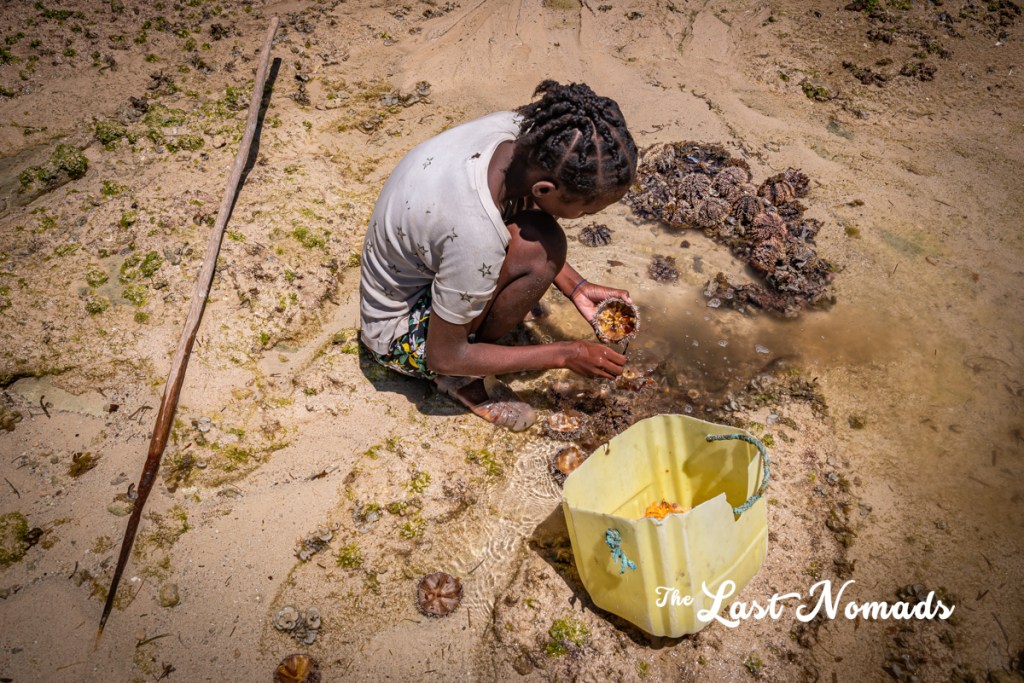
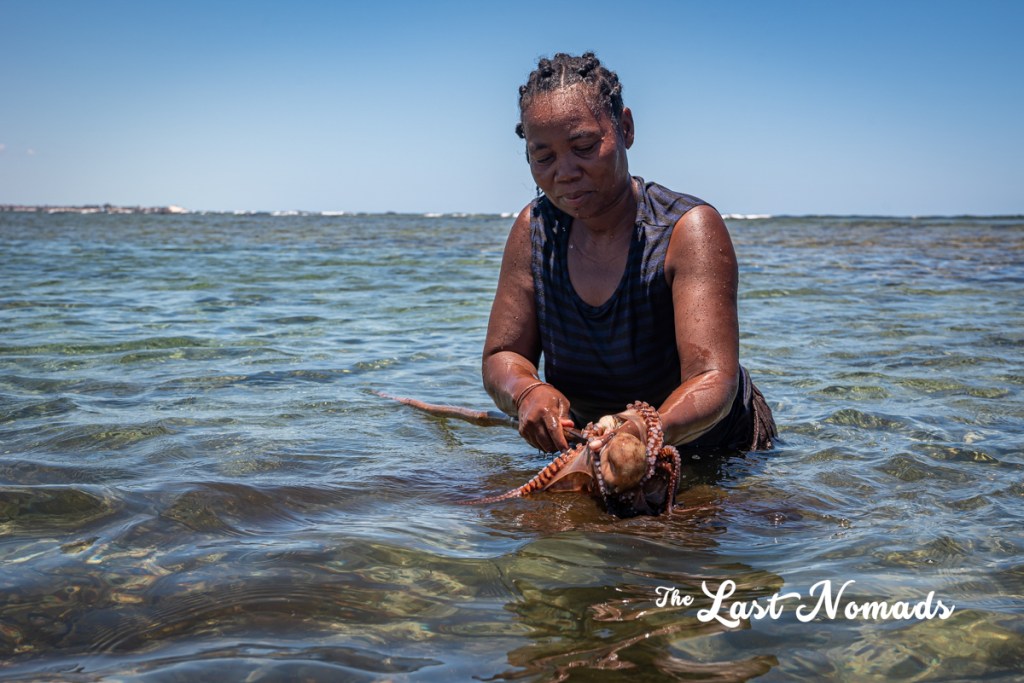
Despite the odds, the Vezo’s connection to the ocean endures. Their daily lives remain a testament to their adaptability and determination. In the early mornings, fishermen set out into the vast blue, while women comb the shallows for octopus and other marine treasures. These acts, seemingly routine, symbolize a deeper struggle to maintain their heritage in an uncertain future.
As the Vezo navigate this challenging voyage, the question remains: How can they balance tradition with adaptation? Will their identity as «nomads of the sea» survive the mounting pressures of climate change, overfishing, and societal change? The Vezo’s story is a poignant reminder of the fragile balance between culture, survival, and an ever-changing world.
Documentary
Slideshow
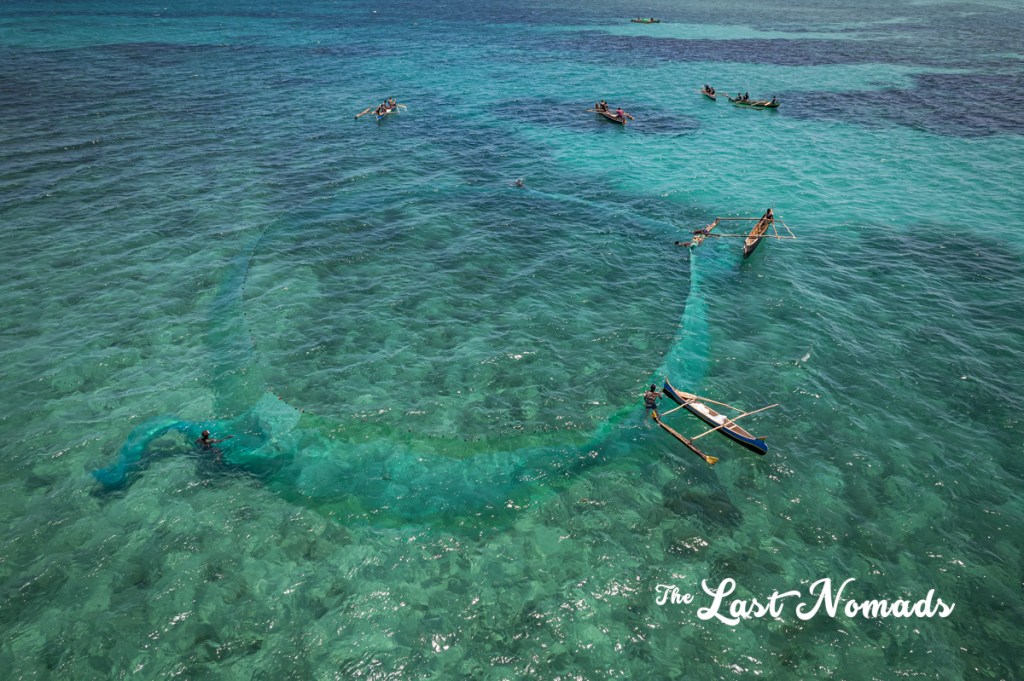


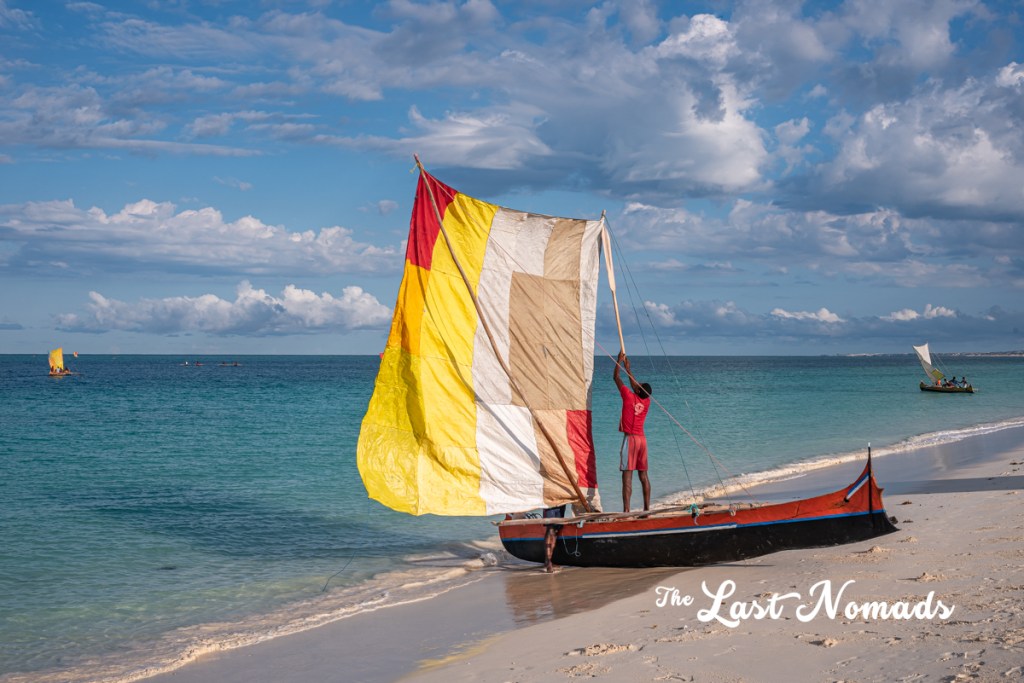
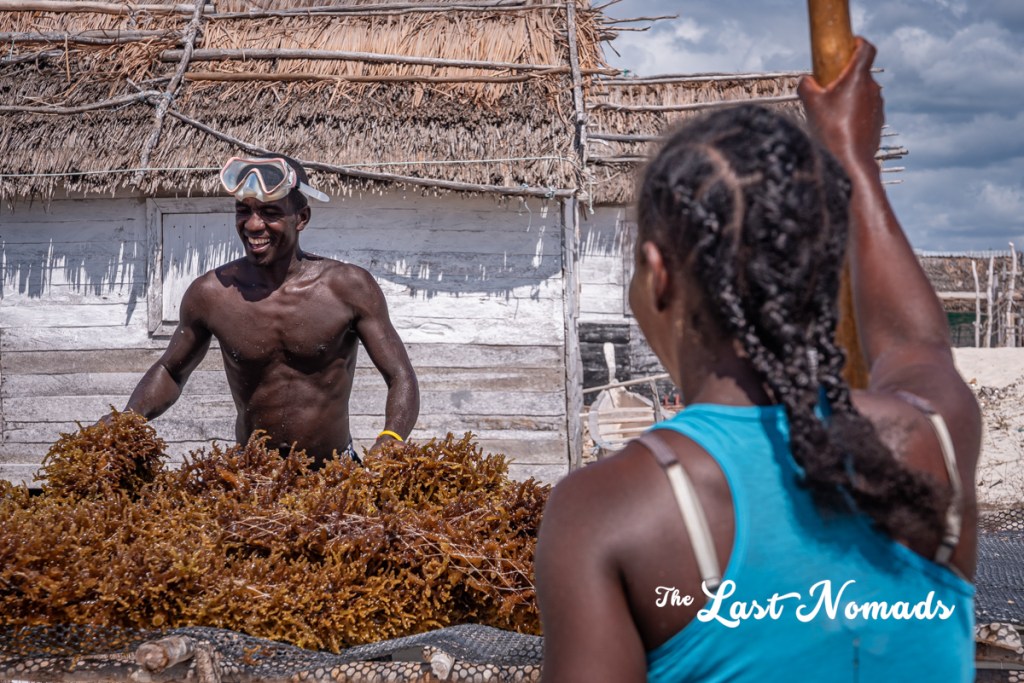
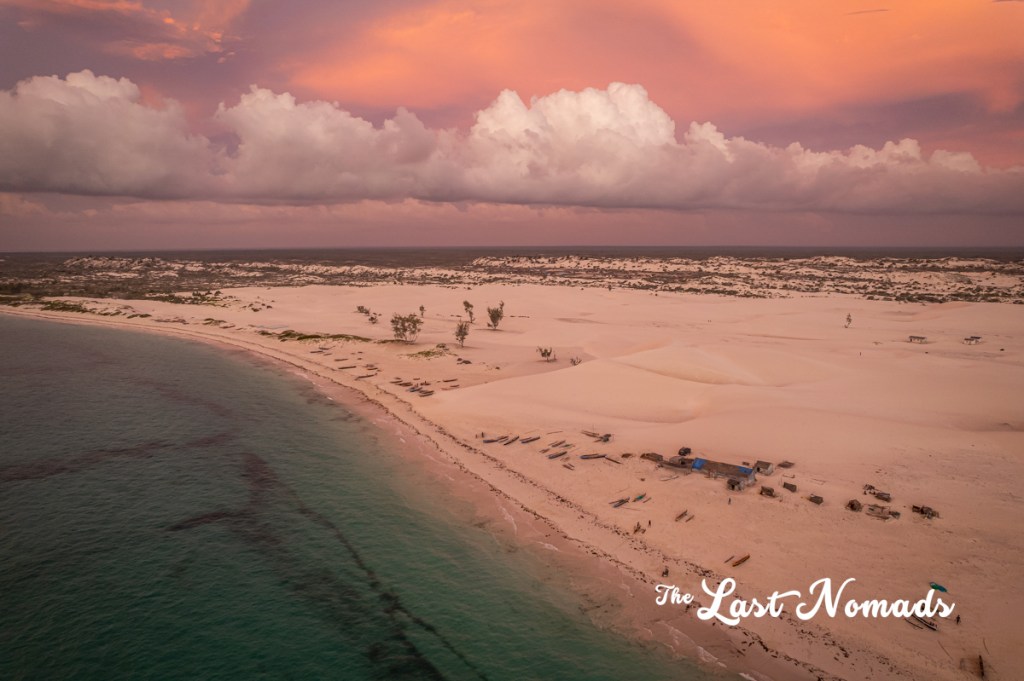
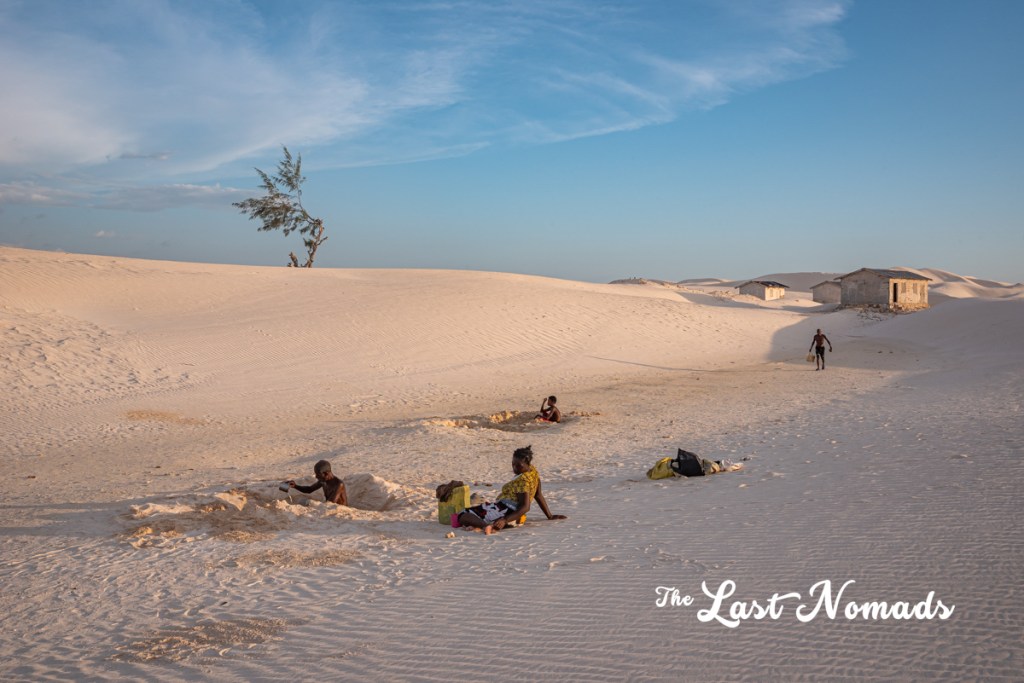
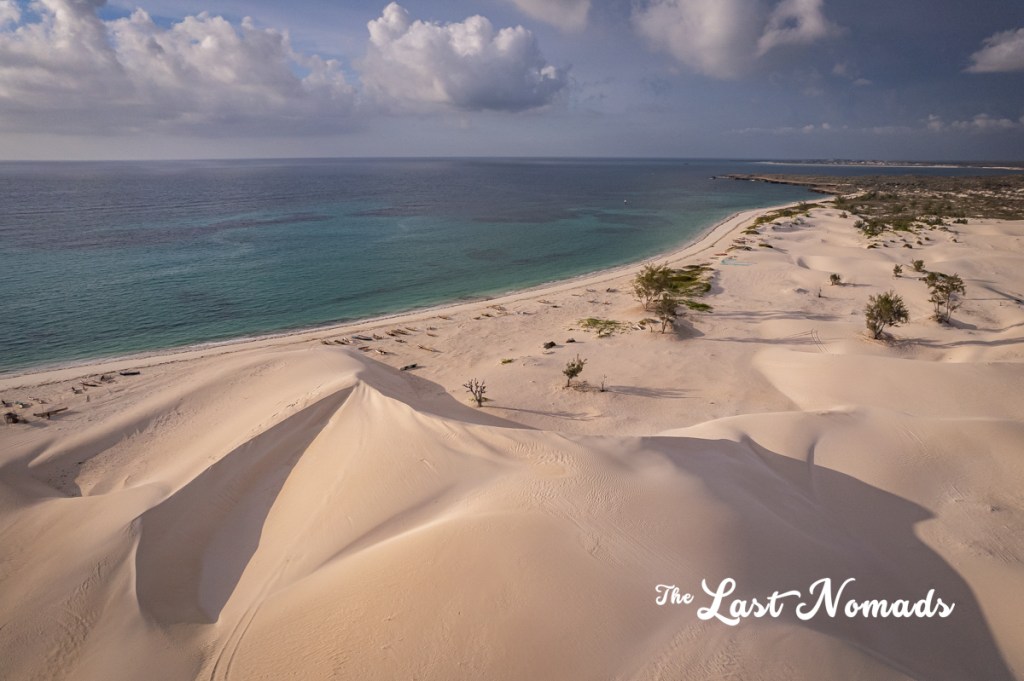
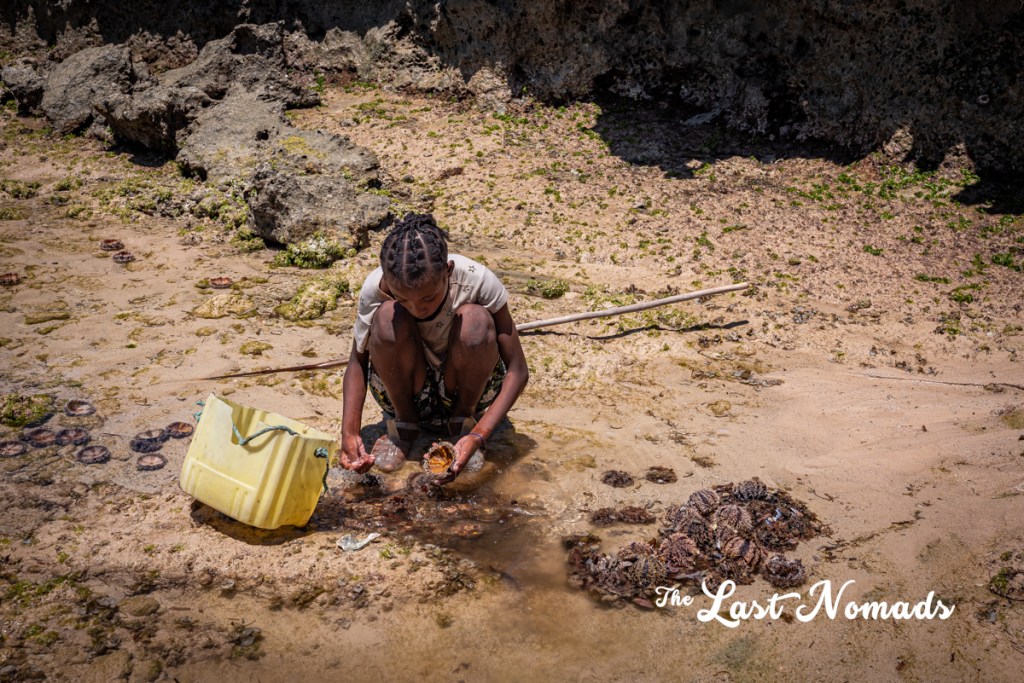
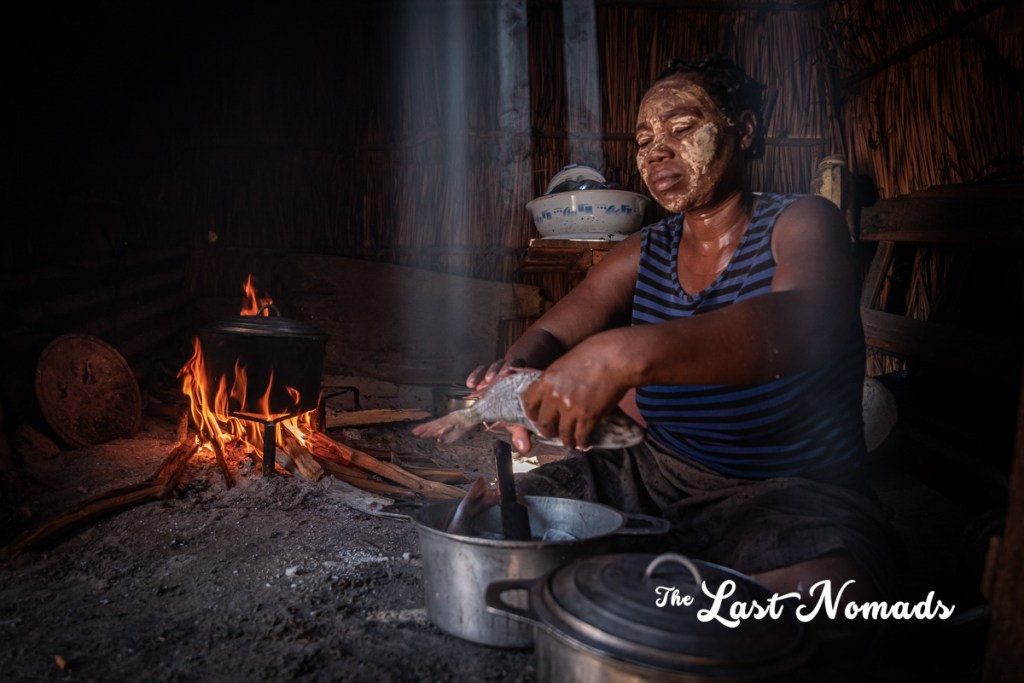
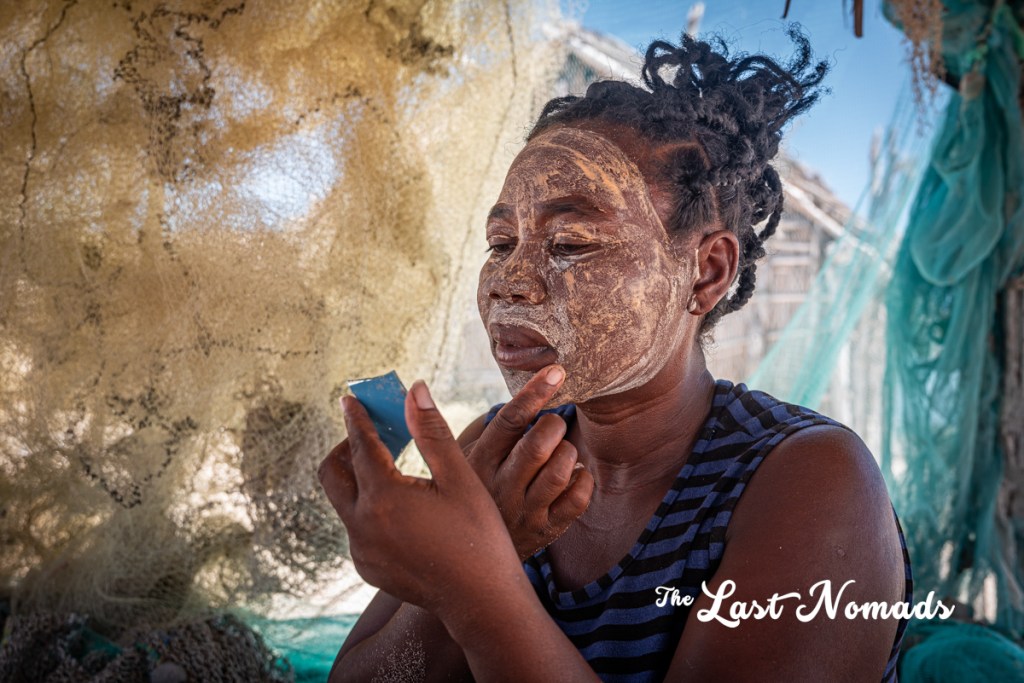

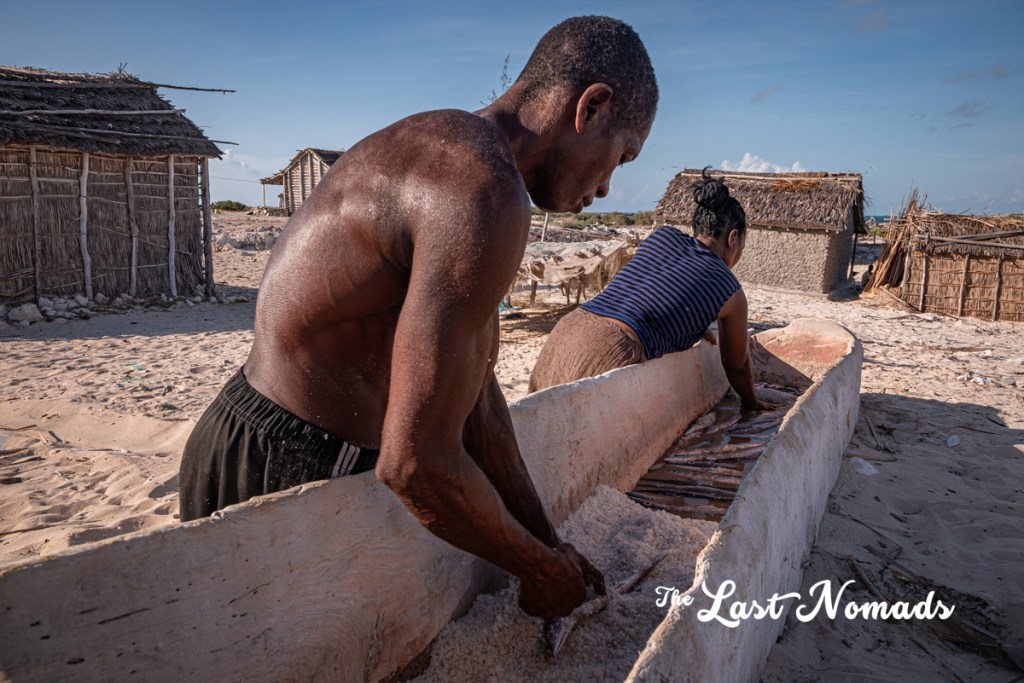

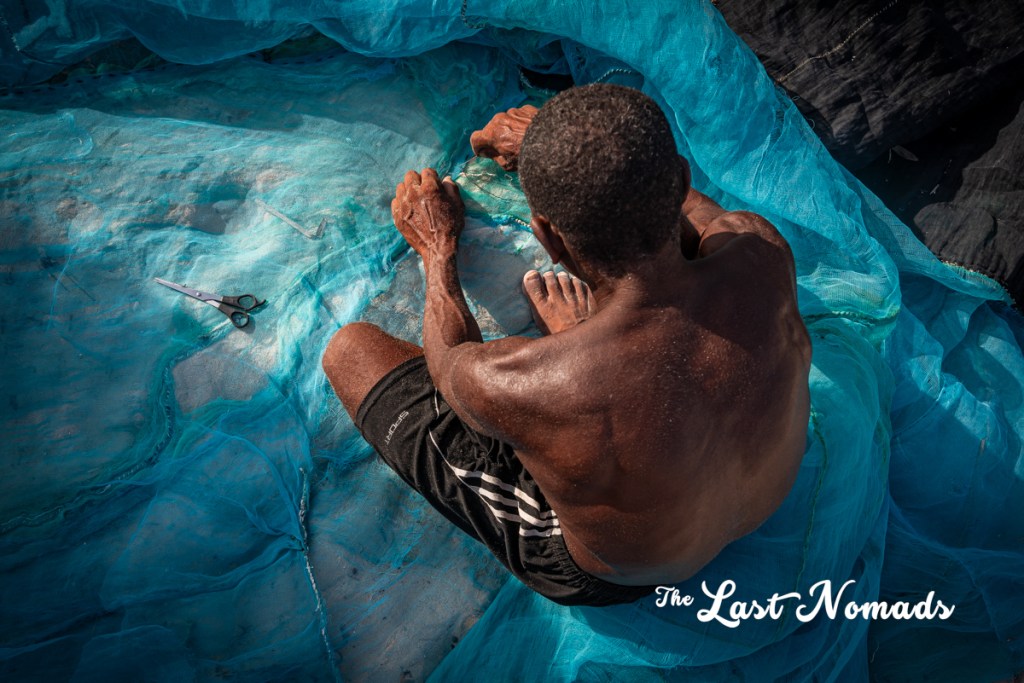
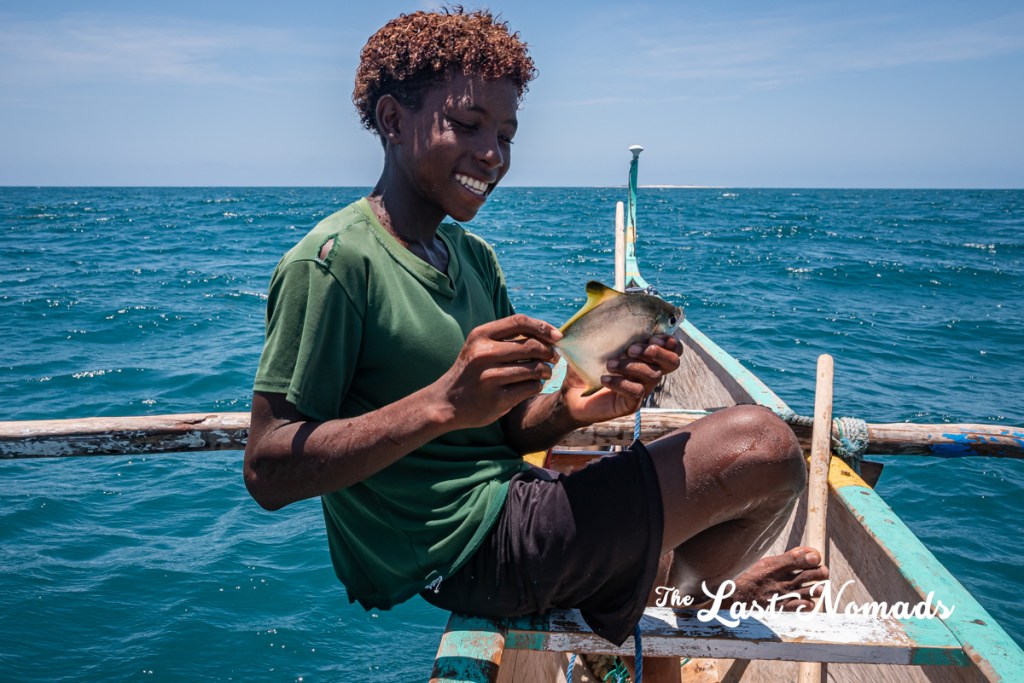
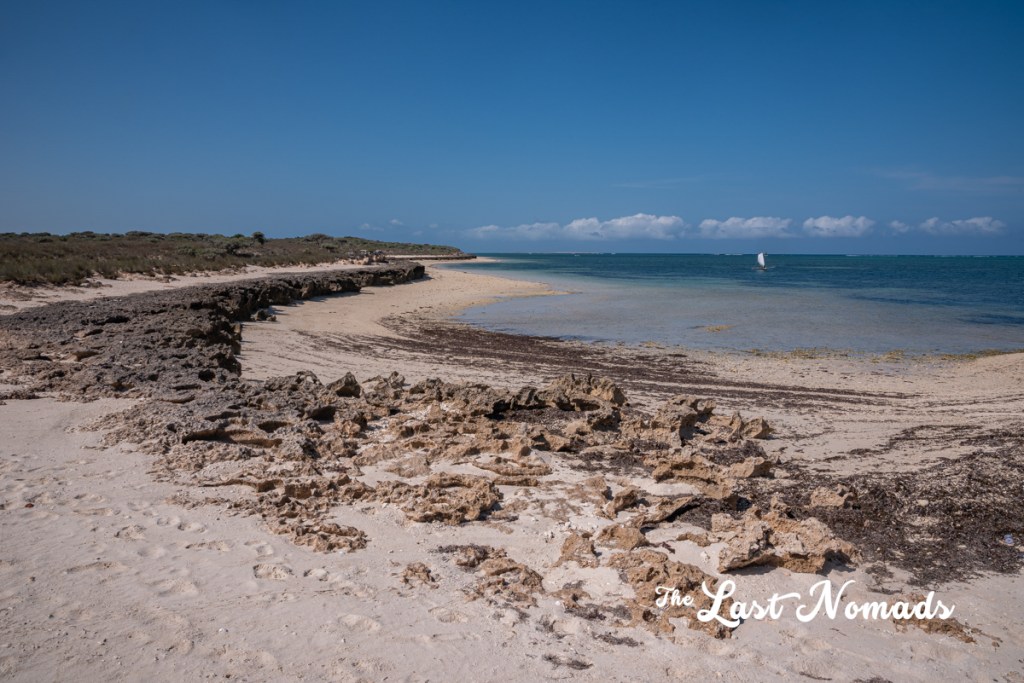
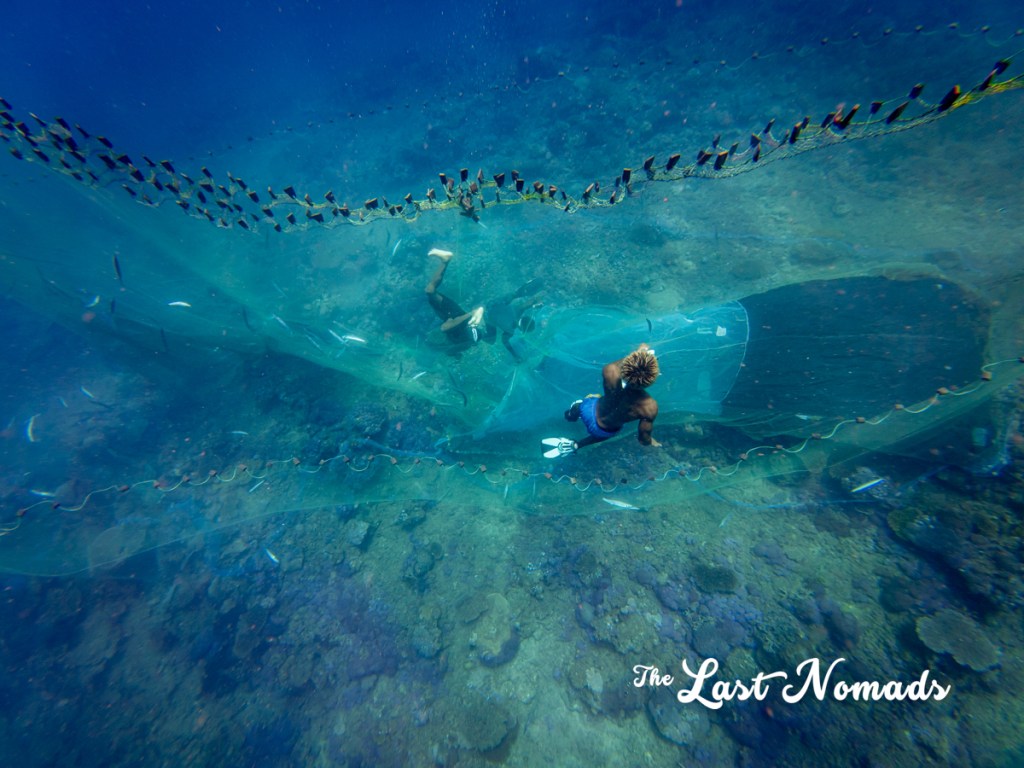

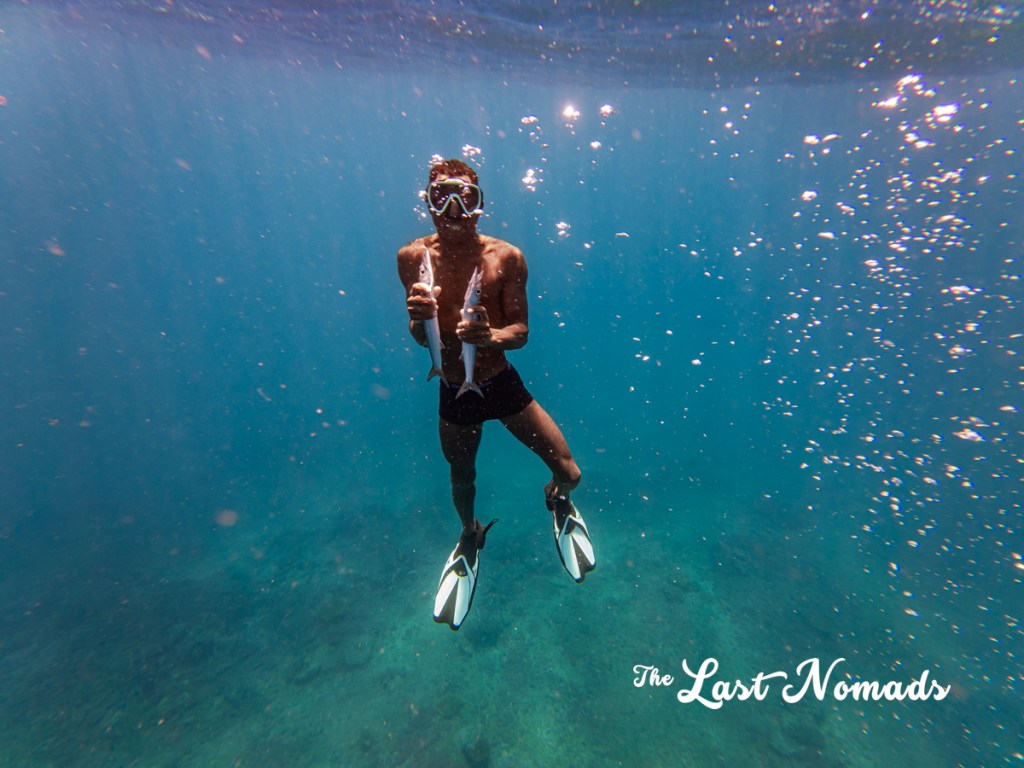
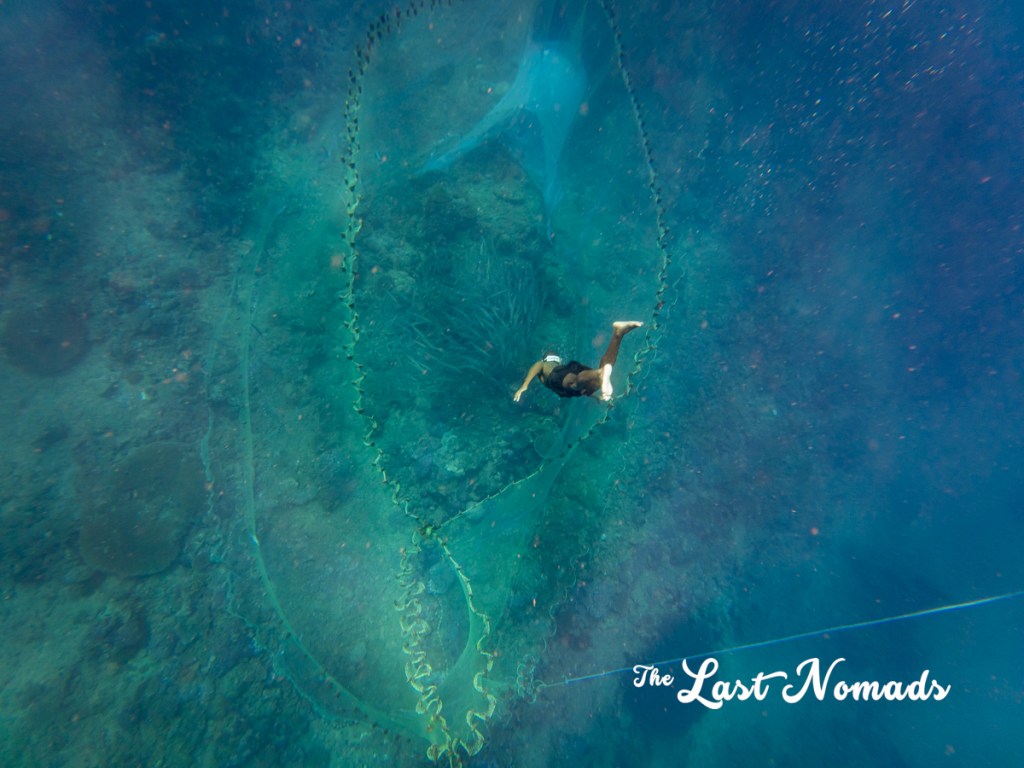
Image Gallery























Multimedia Story – Available for Commissioning
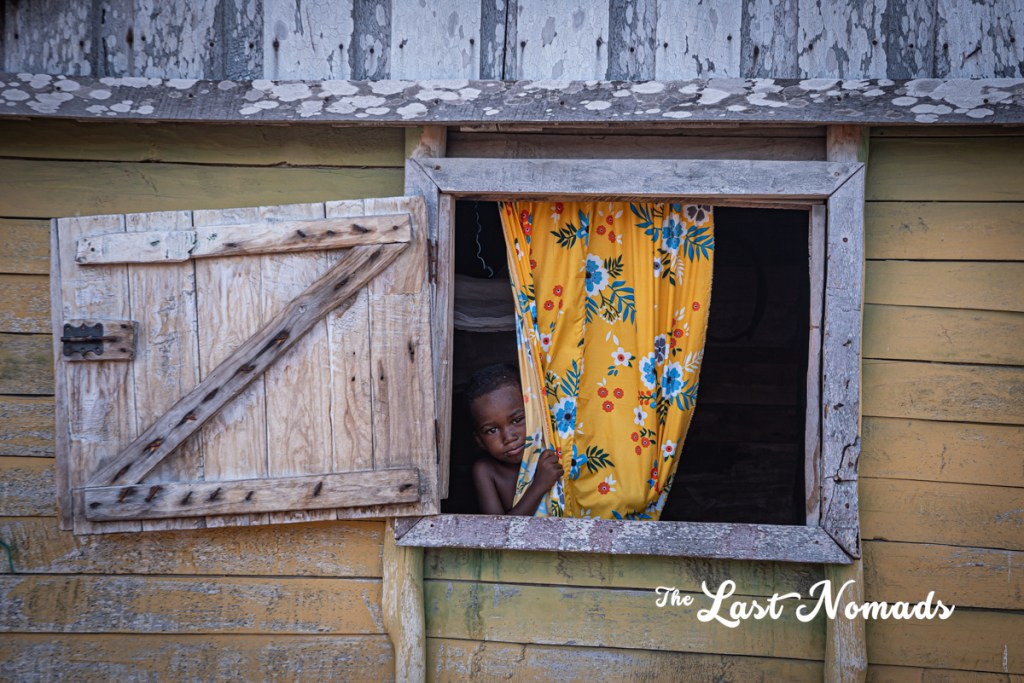
This in-depth narrative, captured through words, photographs, and videos, delves into the resilience and challenges of the Vezo people, providing a vivid portrayal of their lives on the frontlines of environmental and cultural change.
 The Last Nomads