
Southwest Madagascar (2024/25)
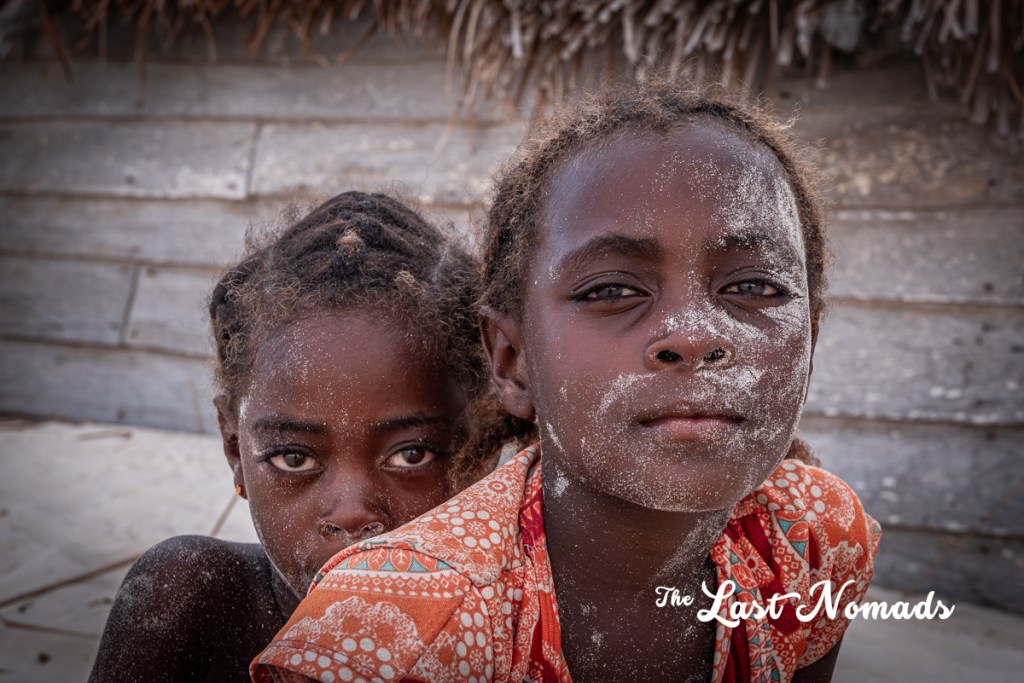
Madagascar, an island of striking contrasts, faces a fragile present shaped by poverty, climate change, and a gradual transition toward modernity. In the arid southwest, the Sakalava ethnic group—particularly the Vezo, Mikea, and Masikoro—embody resilience, relying on ancient survival strategies rooted in the land and sea. The region’s self-sufficient fisherfolk, small-scale farmers, and forest foragers endure worsening droughts and dwindling resources, threatening their ancestral way of life. Yet their ingenuity and adaptability inspire hope. As cyclones batter the coasts and deforestation spreads, a critical question looms: Can these masters of adaptation thrive in an increasingly uncertain future?
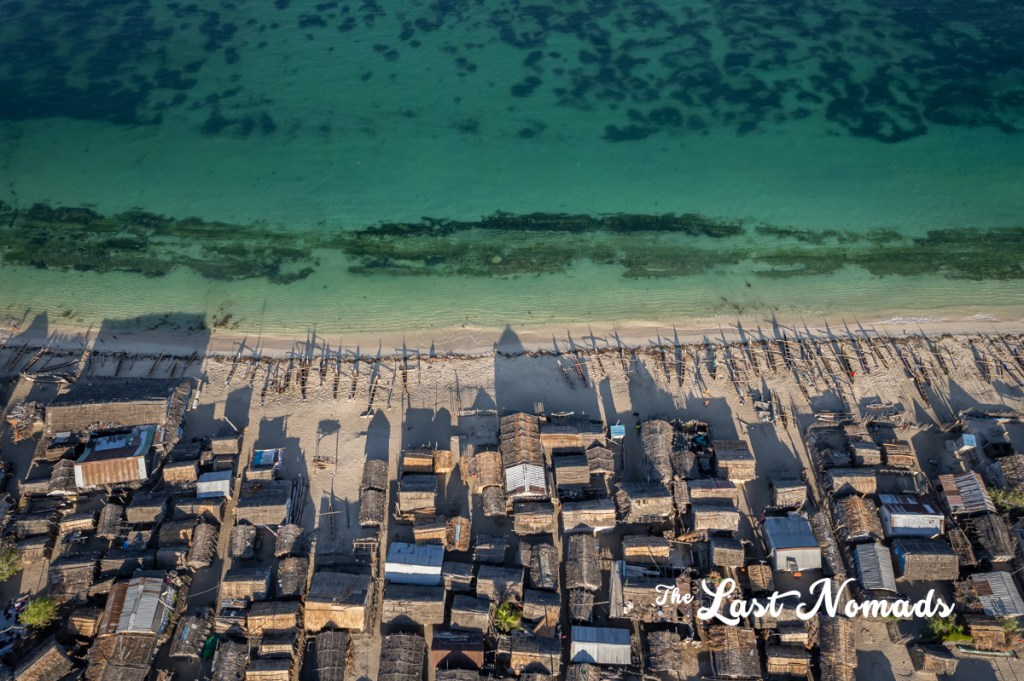
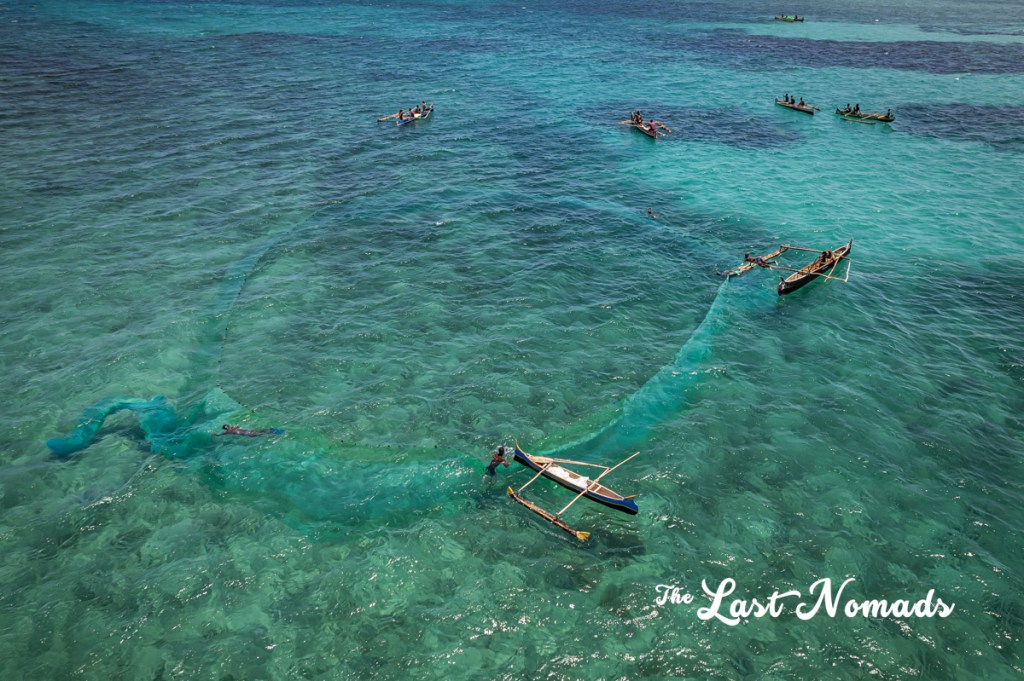
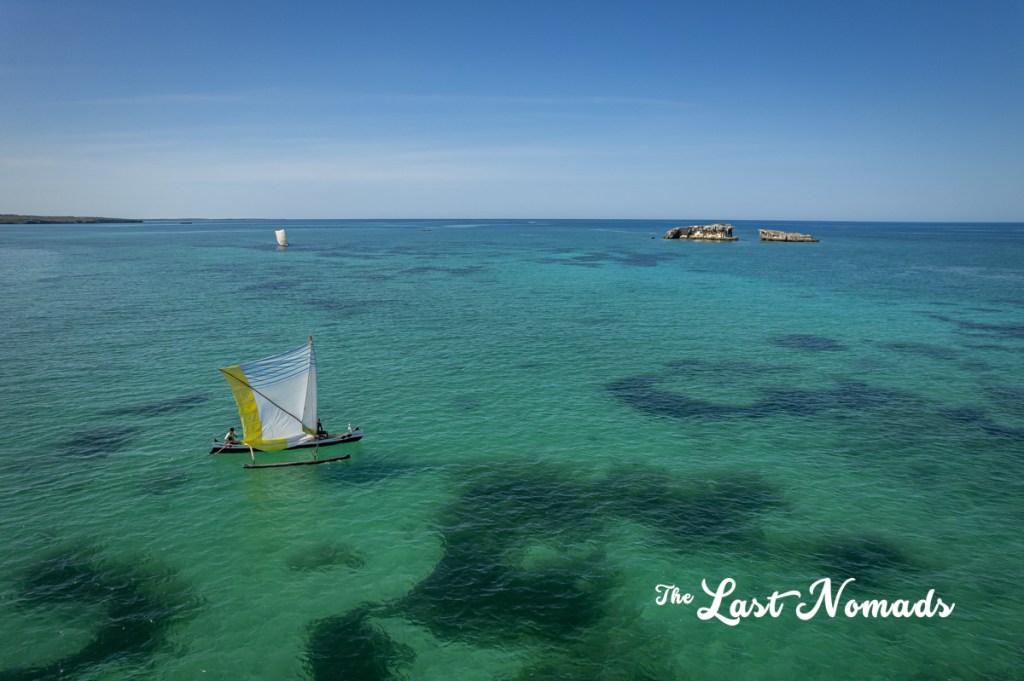
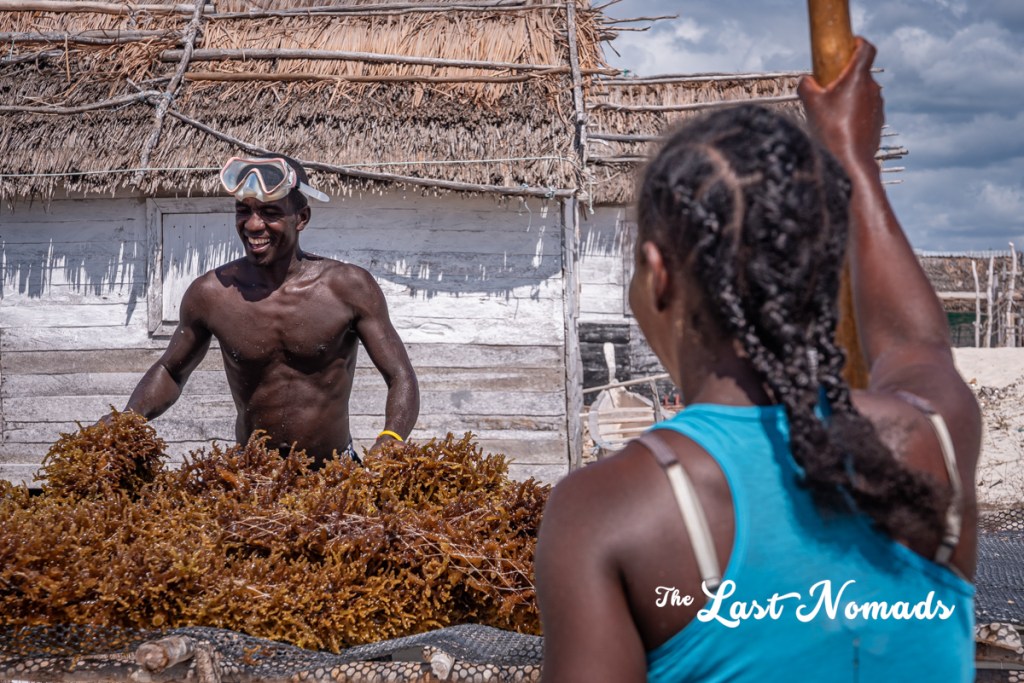
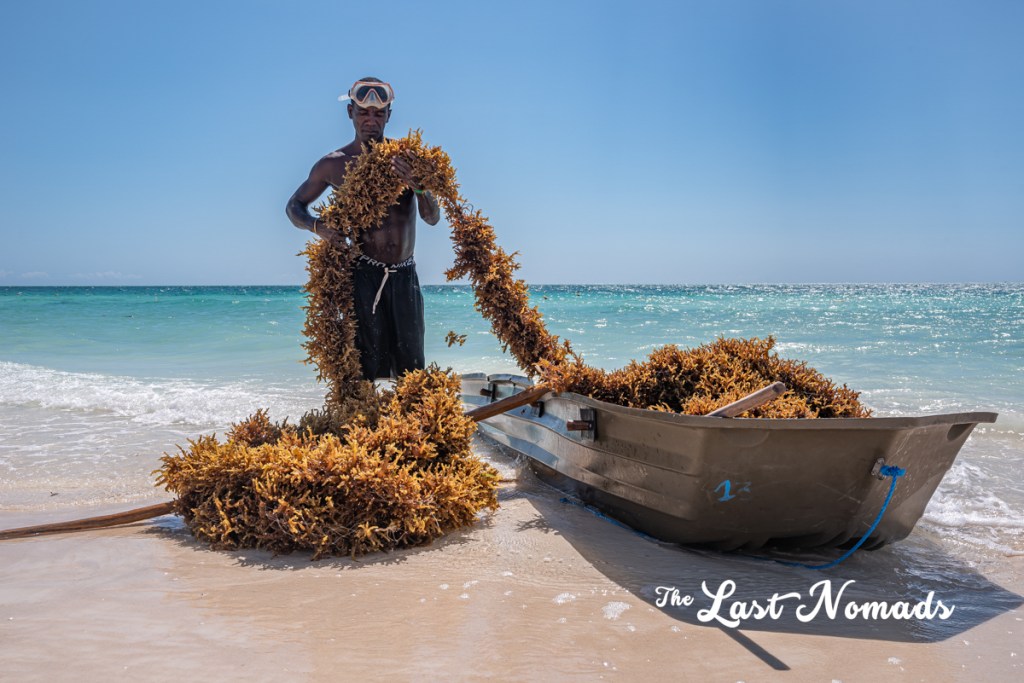
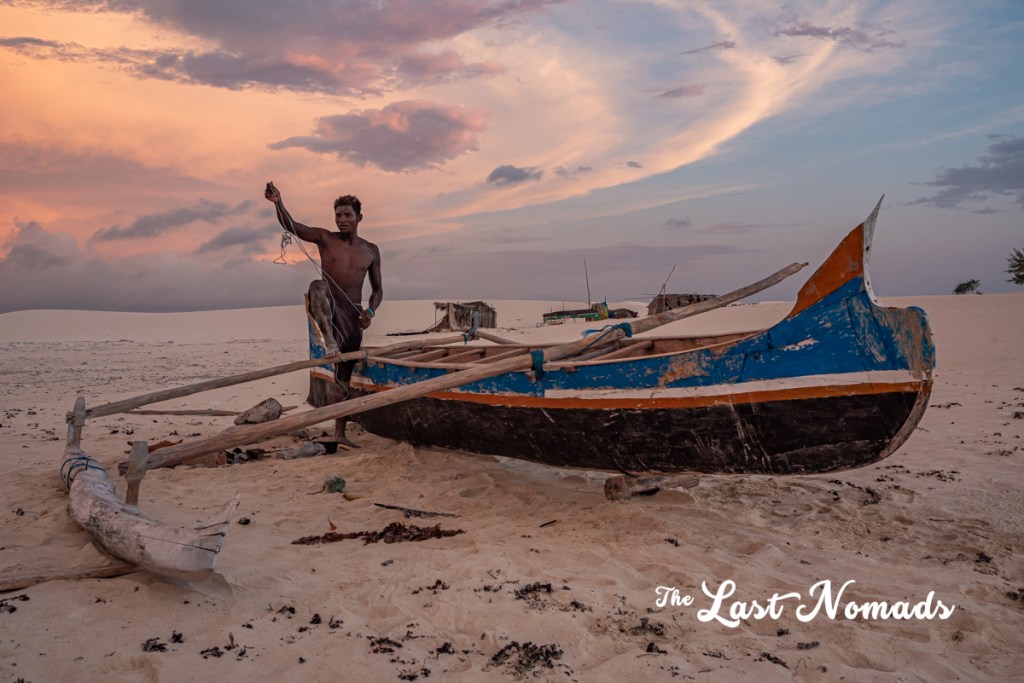
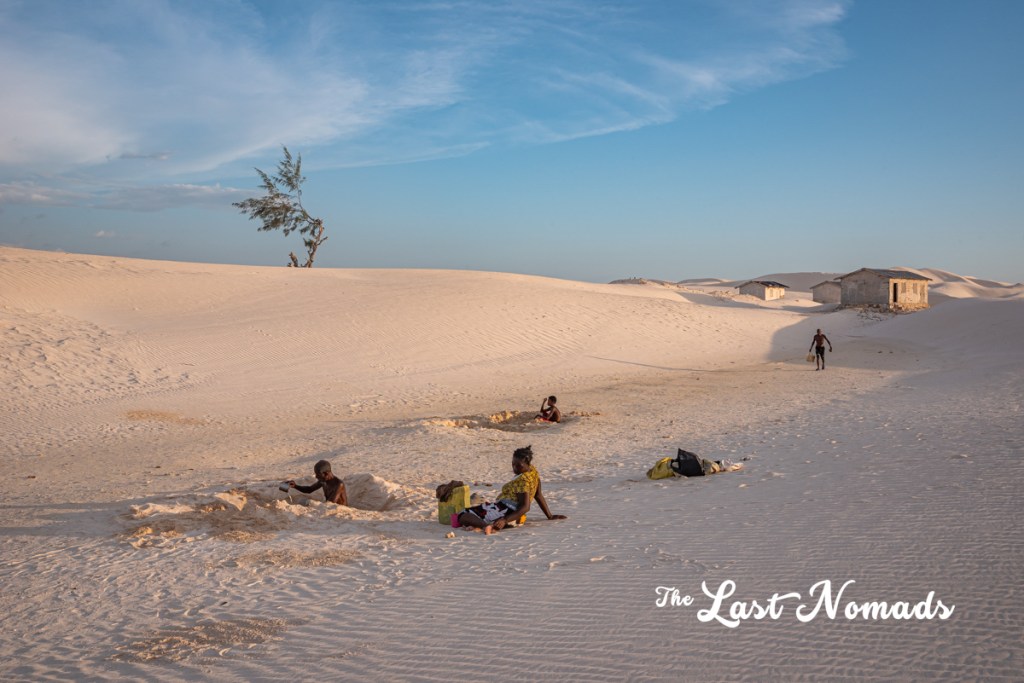
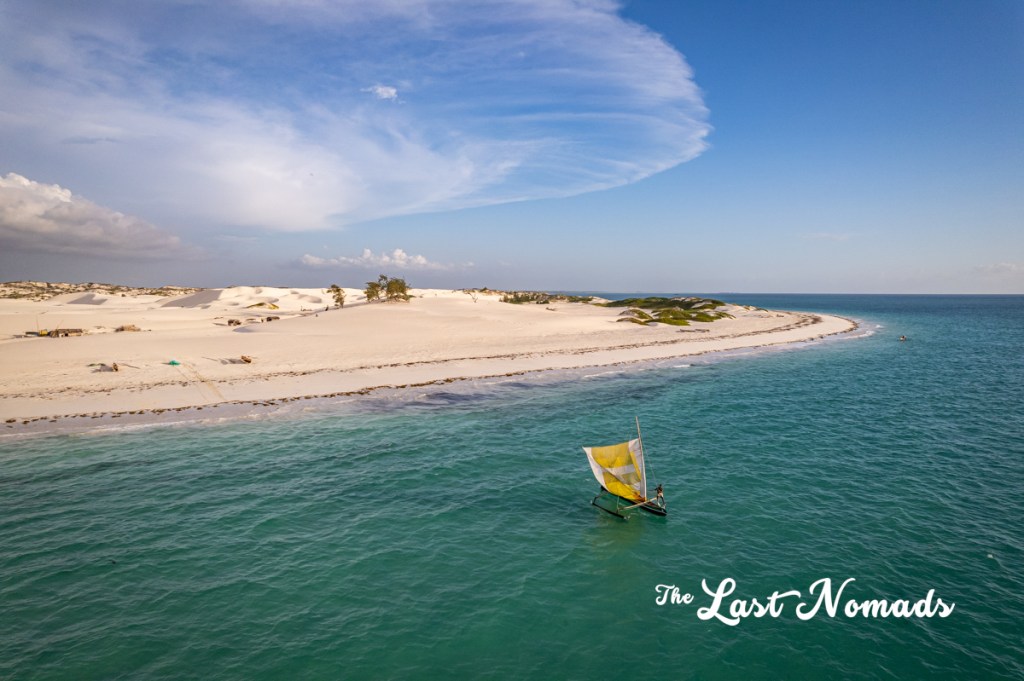
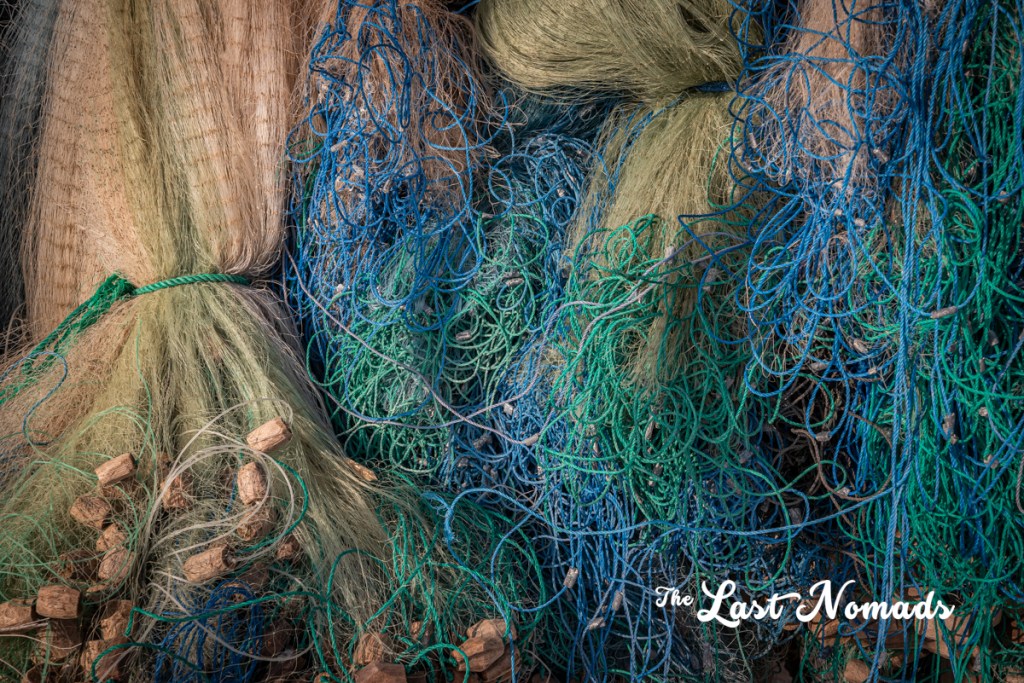
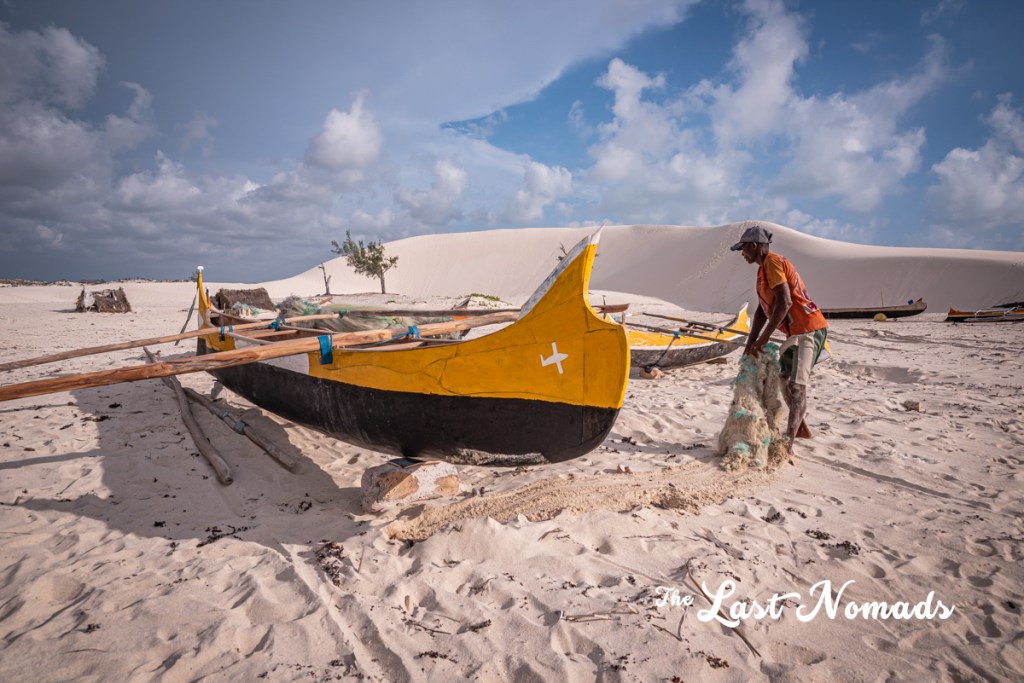
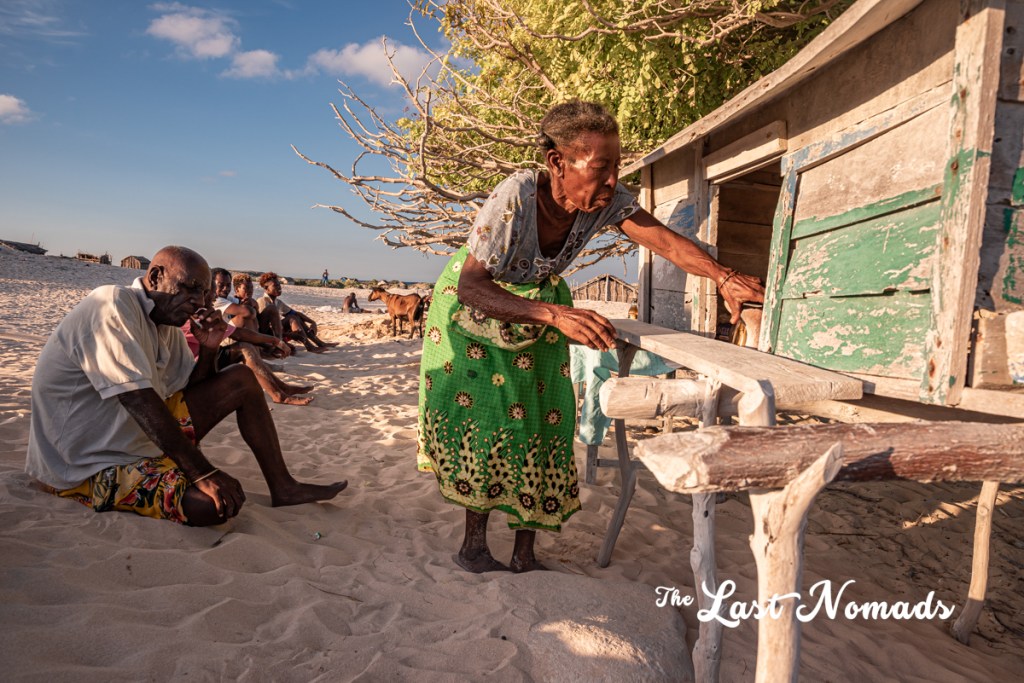
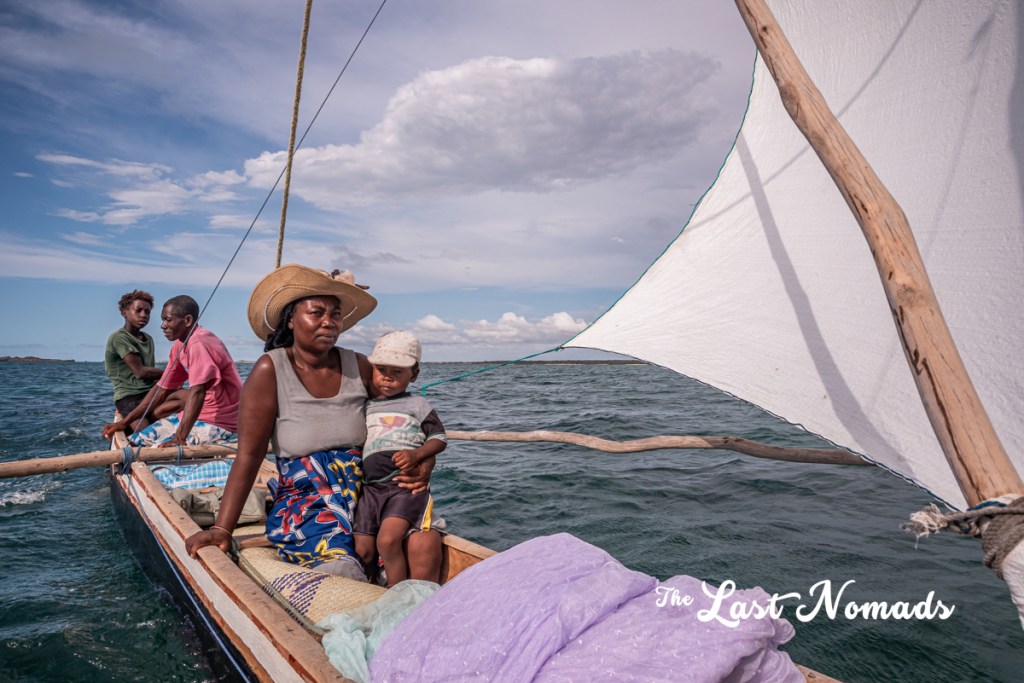
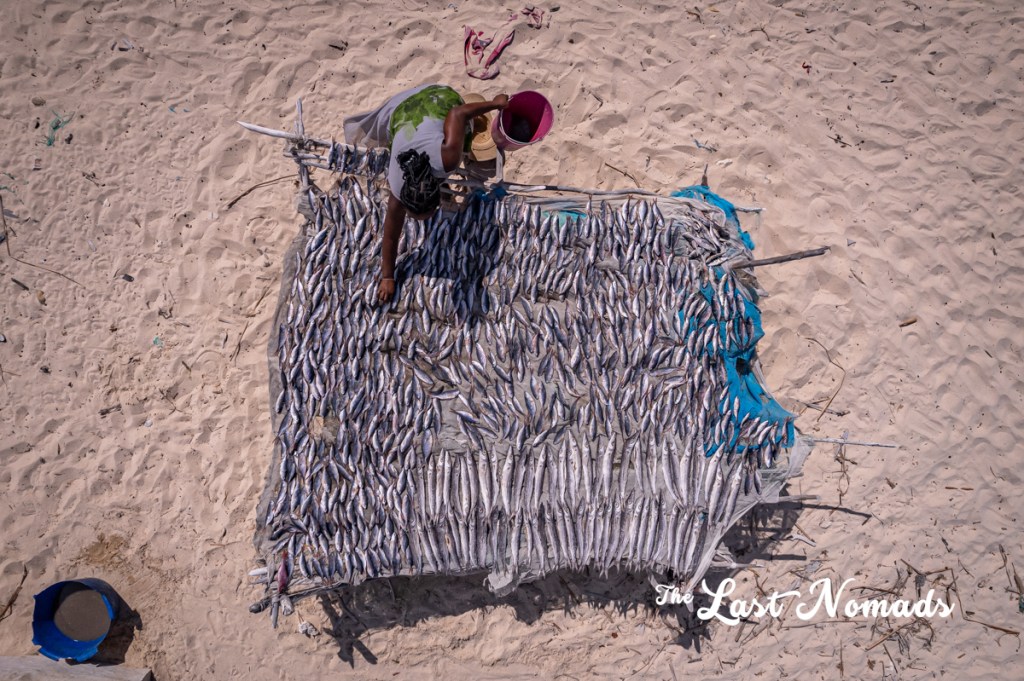
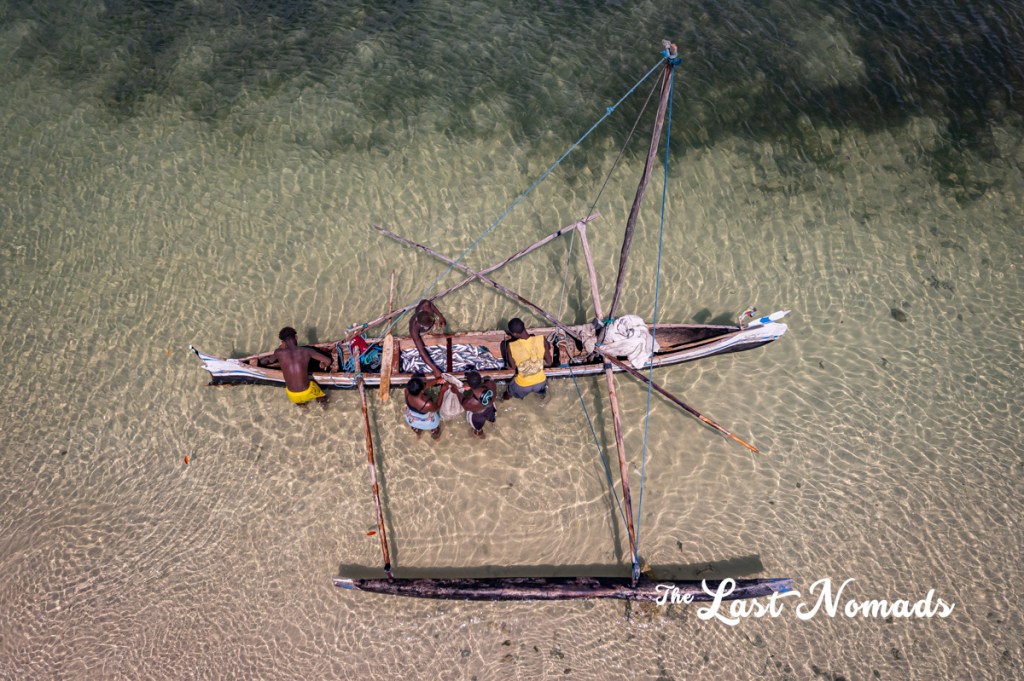
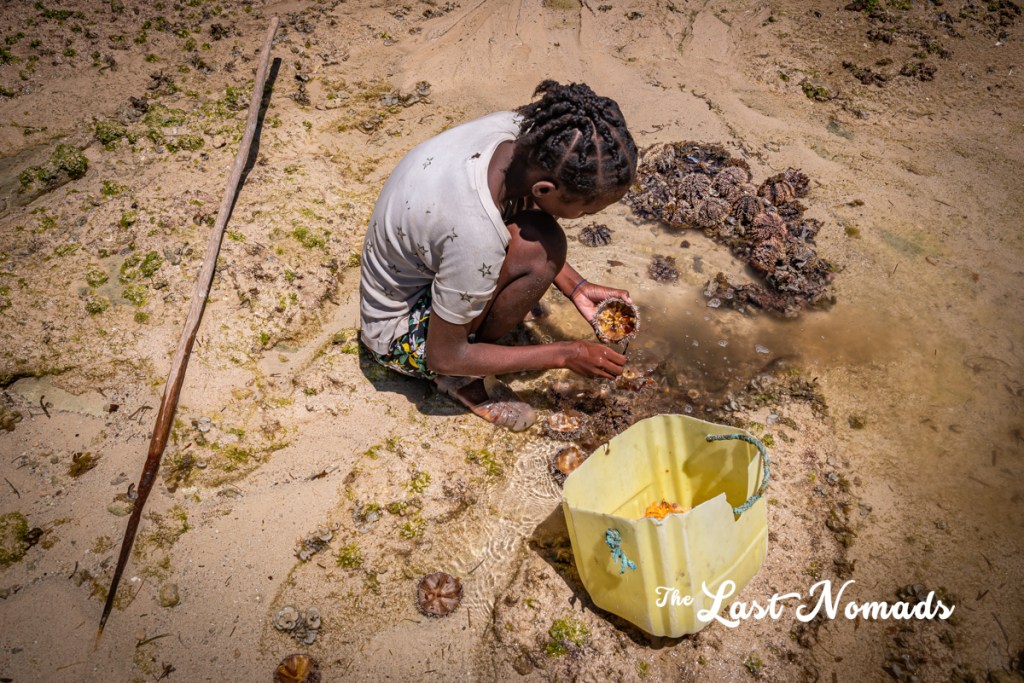
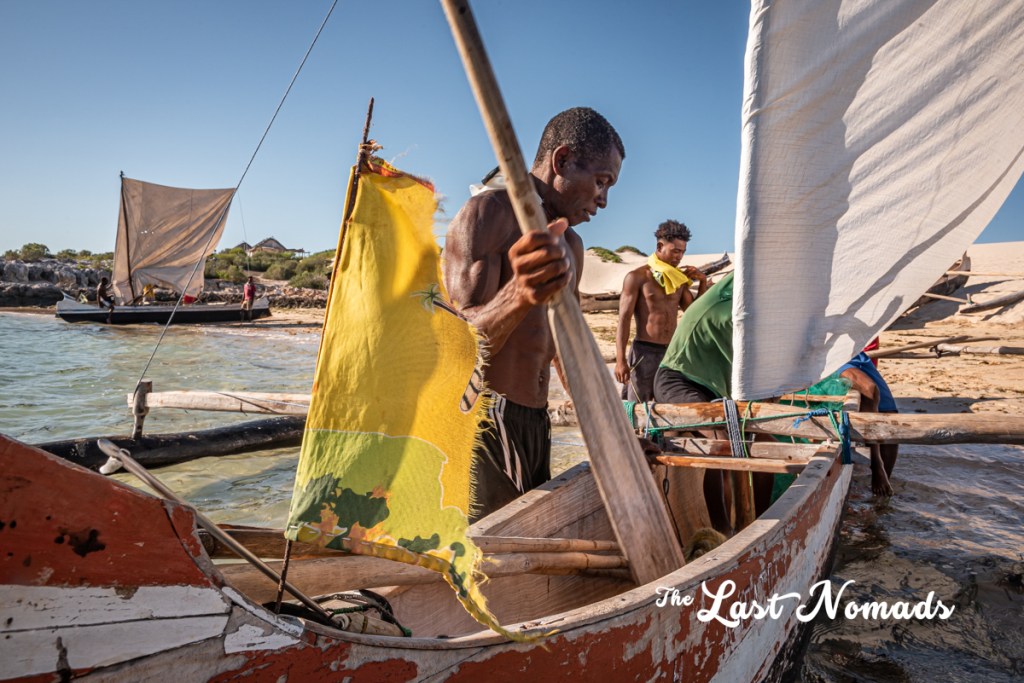
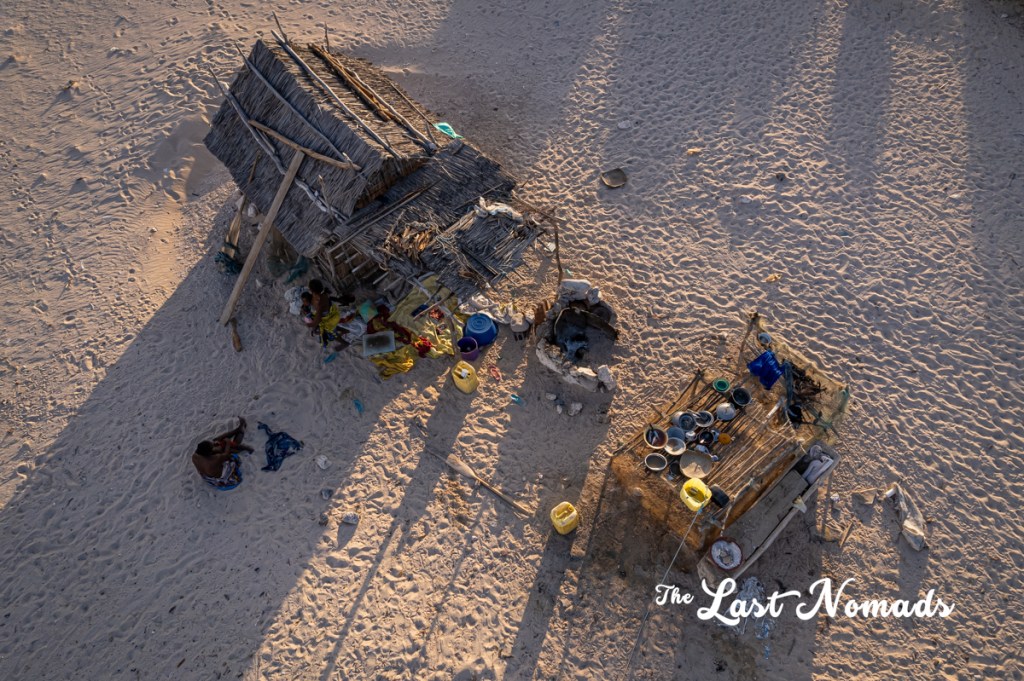
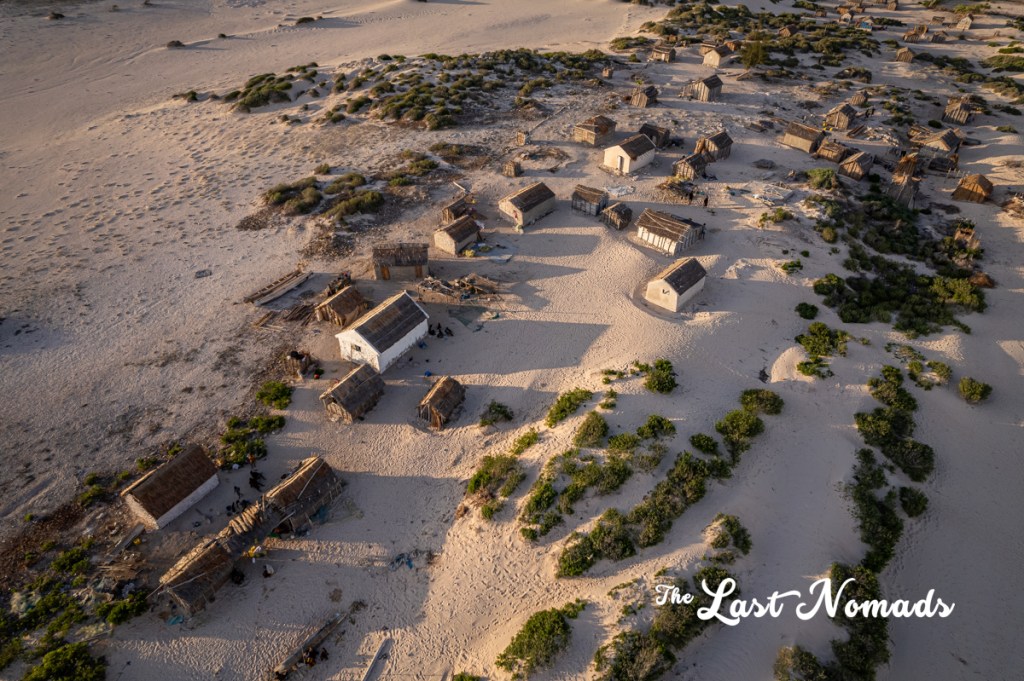
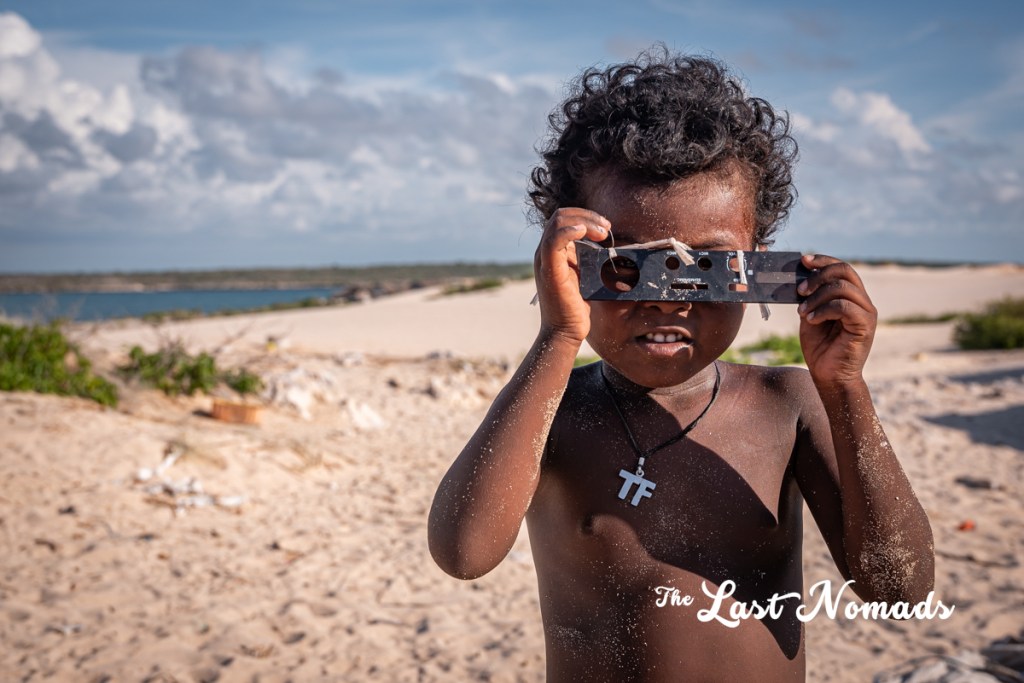
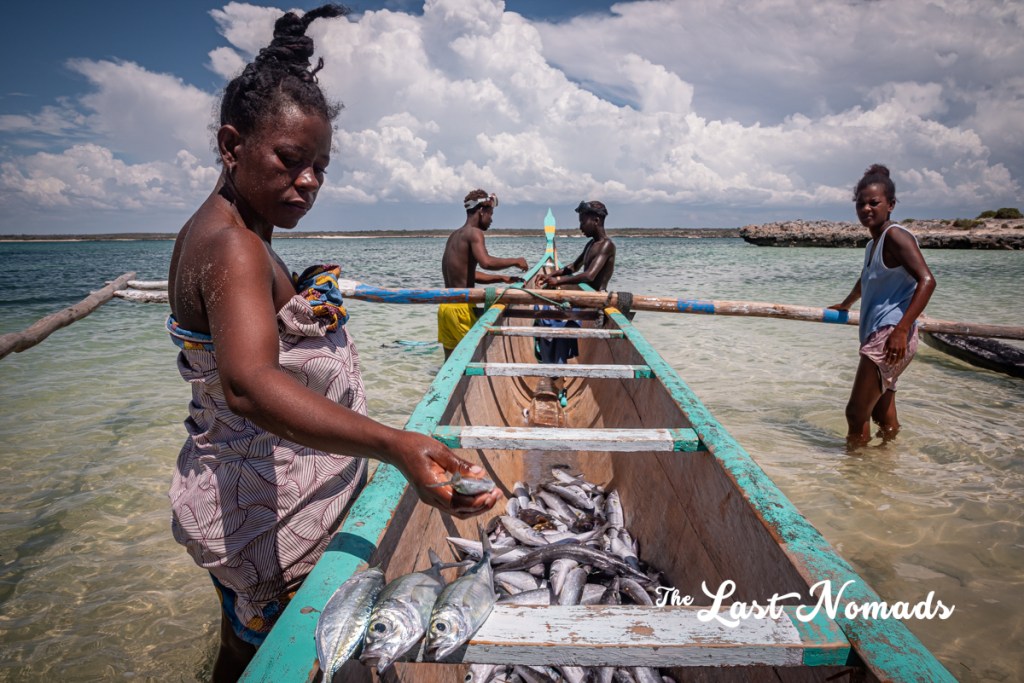
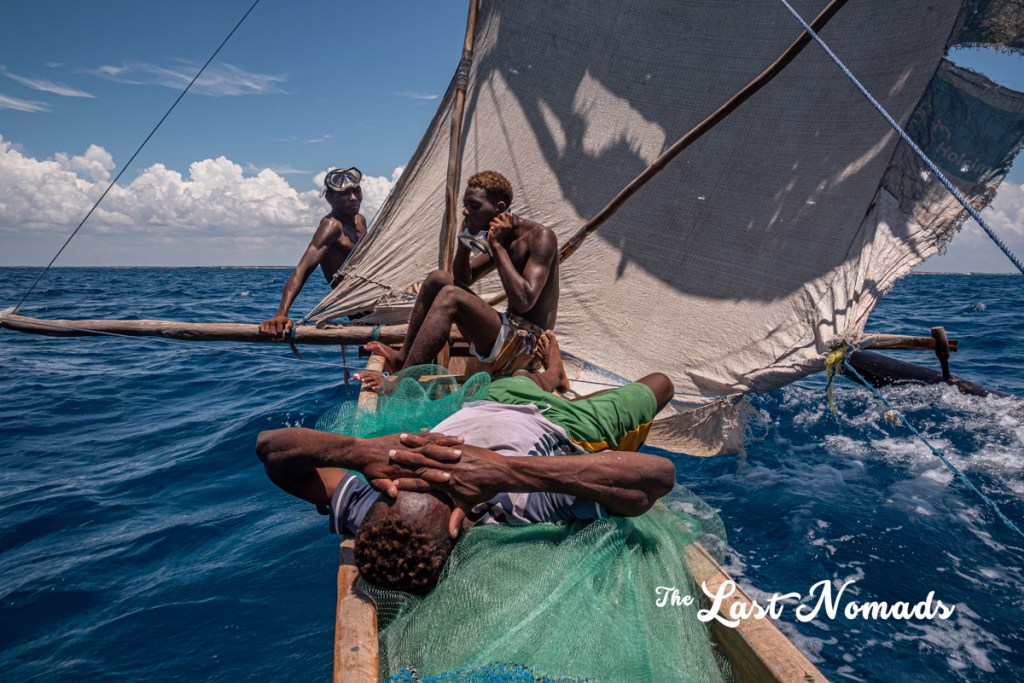
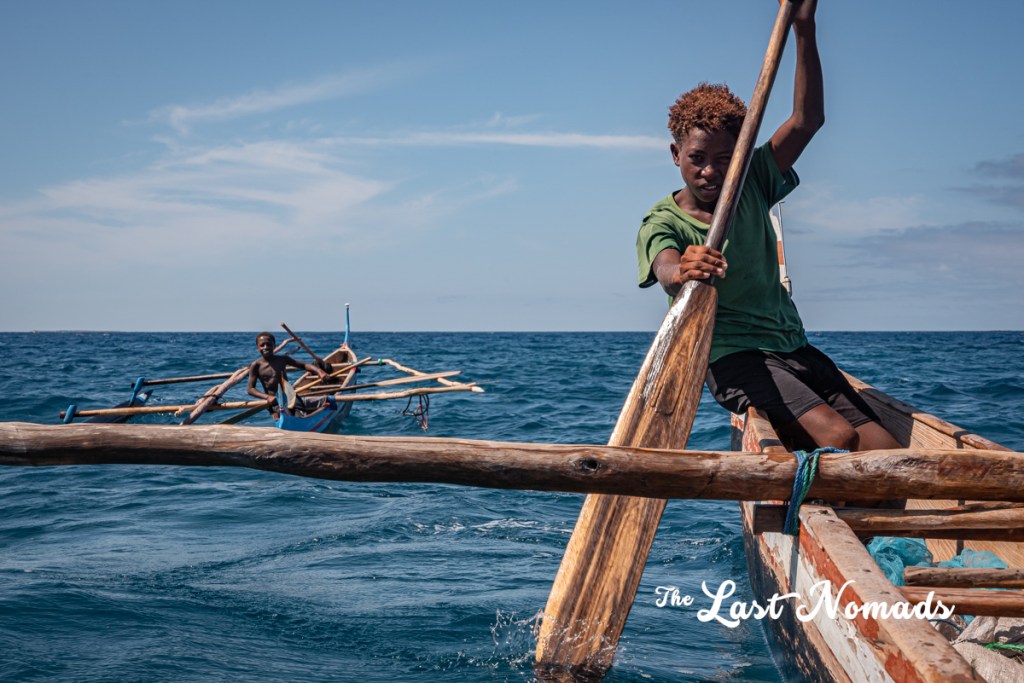
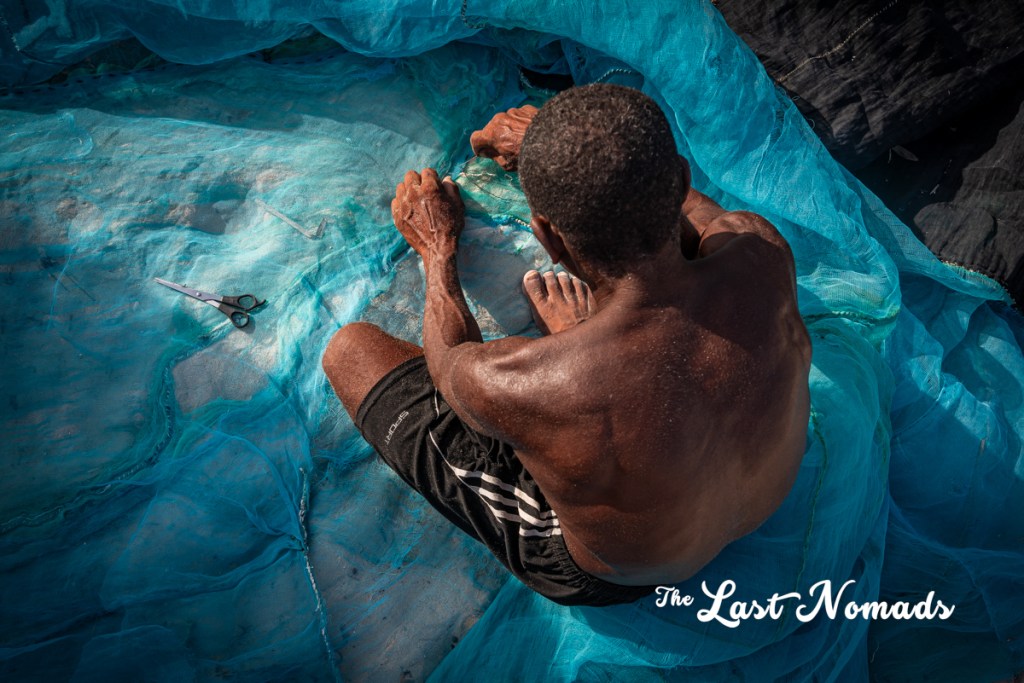
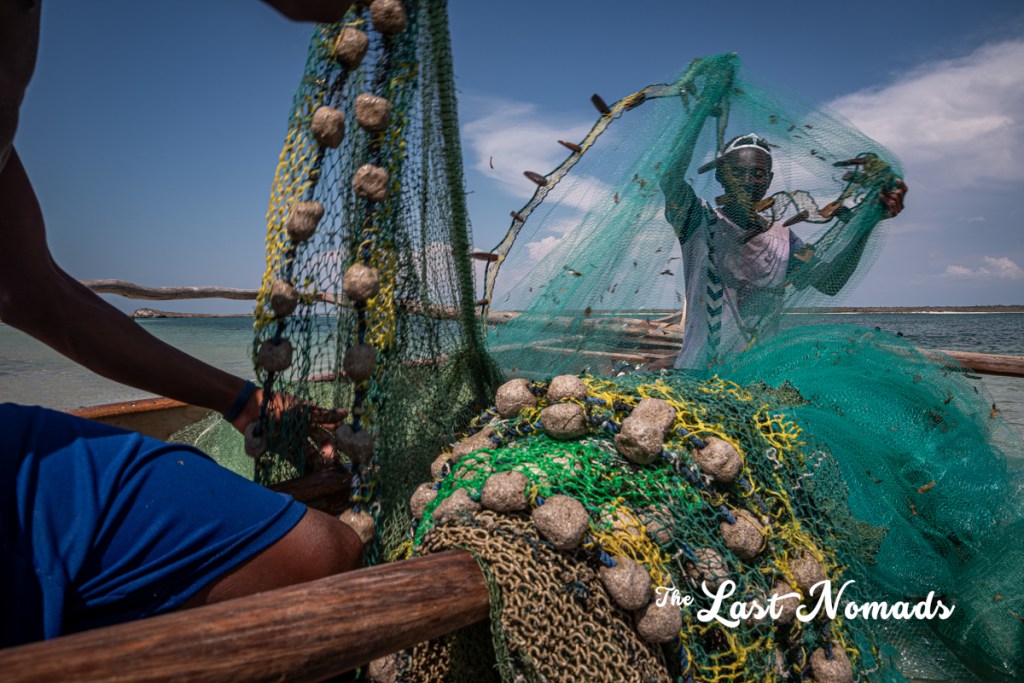
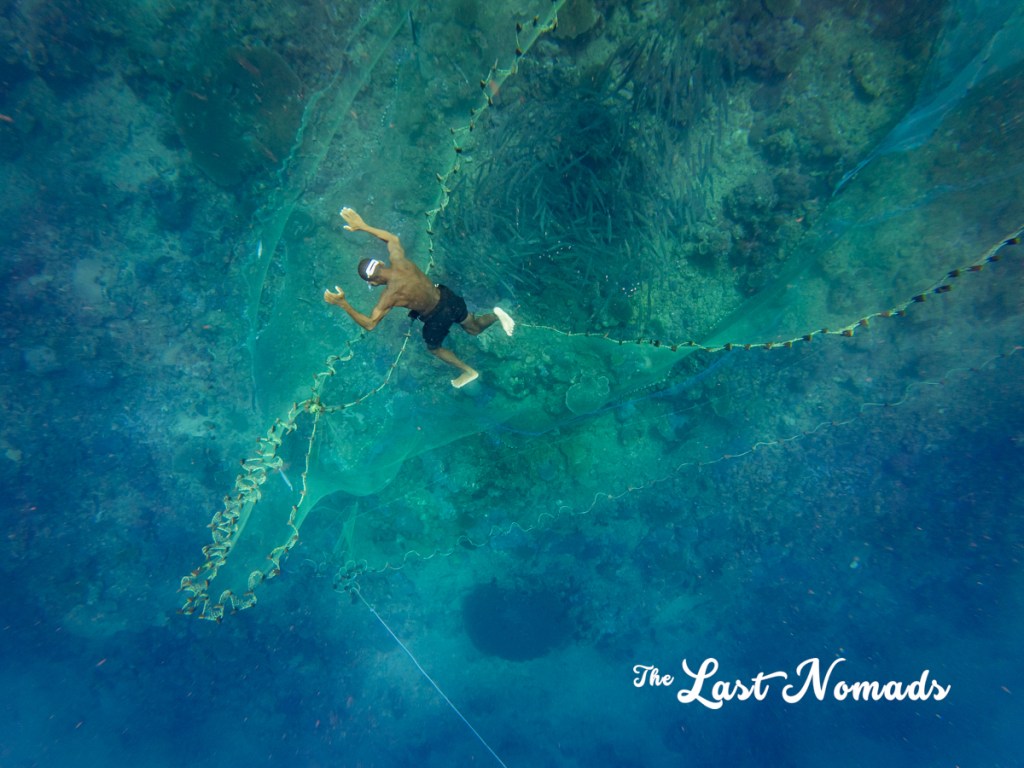
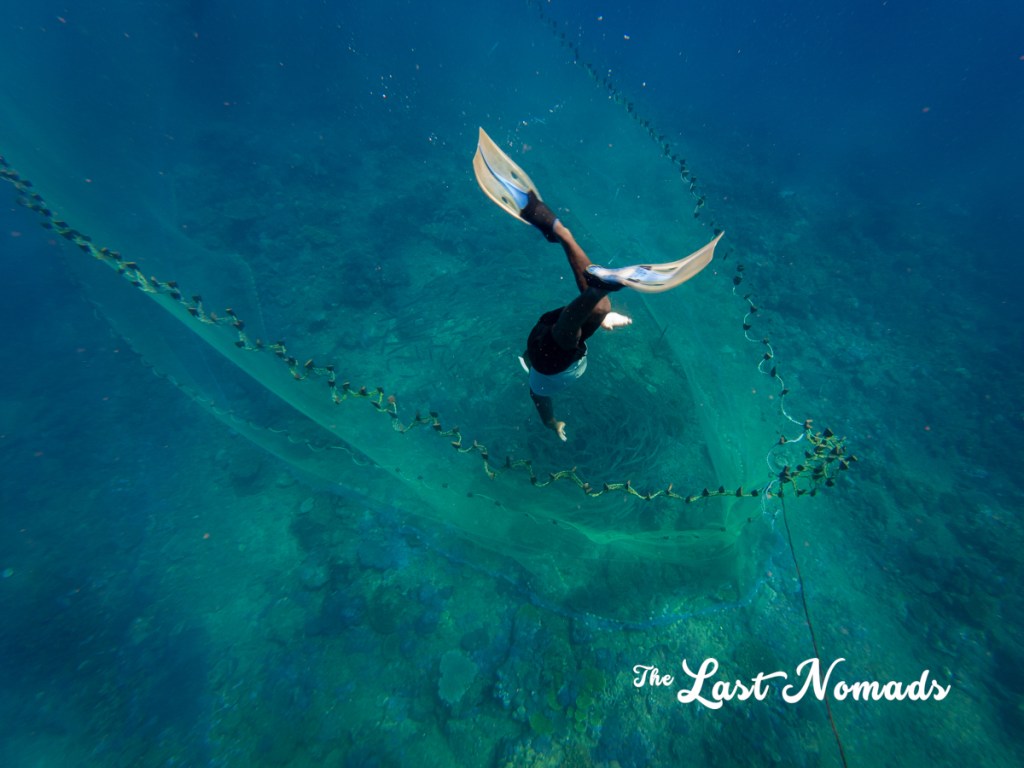
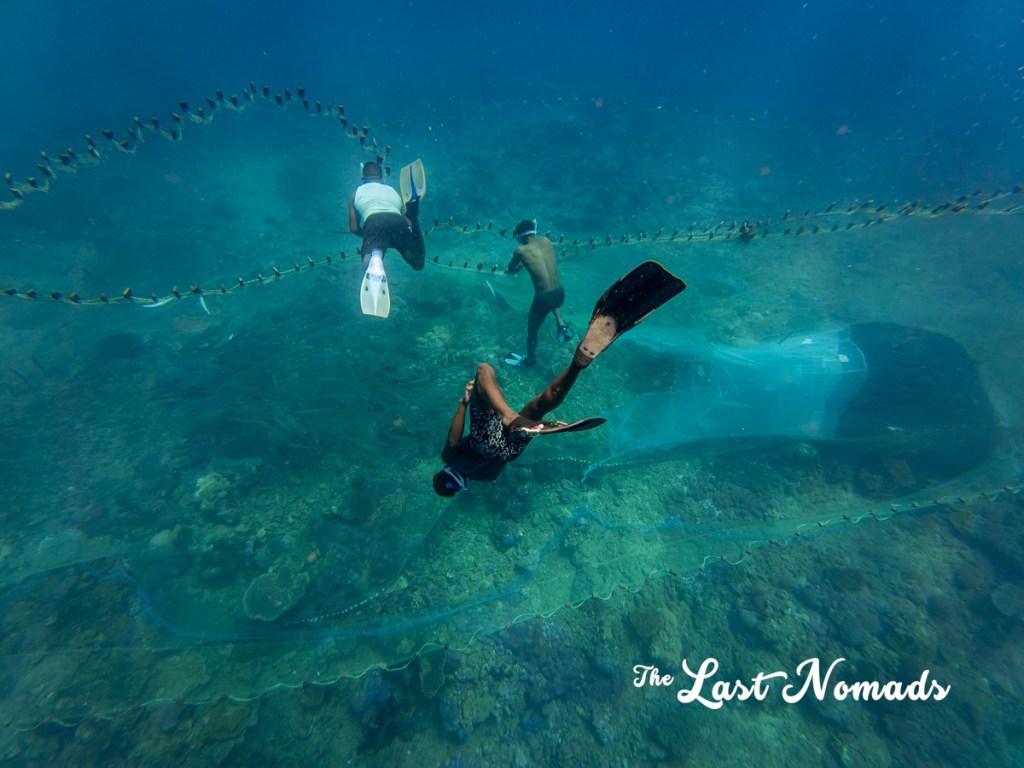
On the sunlit shores, the Vezo people have long lived in harmony with the ocean, relying on its bounty for survival. Known as «nomads of the sea» the Vezo are deeply connected to the waters that sustain them. From their handcrafted pirogues, they navigate the Mozambique Channel with skill and ingenuity, fishing to support their families and maintain their cultural heritage. But this harmony with the sea is increasingly under threat, as environmental and social pressures reshape their lives and challenge their resilience. The Vezo’s relationship with the ocean is both practical and spiritual. For generations, they have depended on its resources, harvesting fish, octopus, and other marine life with traditional techniques passed down through the ages. Their handcrafted wooden canoes are not merely tools of survival but symbols of identity and pride. However, overfishing and the degradation of coral reefs have made these waters less predictable. Many Vezo fishermen now travel further offshore, exposing themselves to greater risks in search of dwindling catches. Adding to their challenges are rising sea levels and the impacts of climate change. Storm surges and coastal erosion threaten the very villages the Vezo call home, forcing some to relocate further inland, away from the shores they hold dear. This migration breaks the centuries-old cycle of living directly by the water, where the Vezo’s identity as «people of the sea» was forged. In recent years, sustainable initiatives have been introduced as a way to supplement the Vezo’s livelihoods. Practices like seaweed and sea cucumber farming offer a modest surplus income but cannot replace the central role fishing plays in their lives. As one Vezo elder notes, “We are fishermen by birth. The ocean is not just where we work, it is who we are.” These programs, while helpful, highlight the tension between traditional ways of life and modern solutions to environmental decline. Moreover, the Vezo’s challenges extend beyond the environmental. Migration and population growth have led to resource conflicts, as inland groups increasingly settle along the coast, competing for the ocean’s diminishing offerings. These pressures have tested the Vezo’s resilience, forcing them to adapt while holding onto their cultural identity.
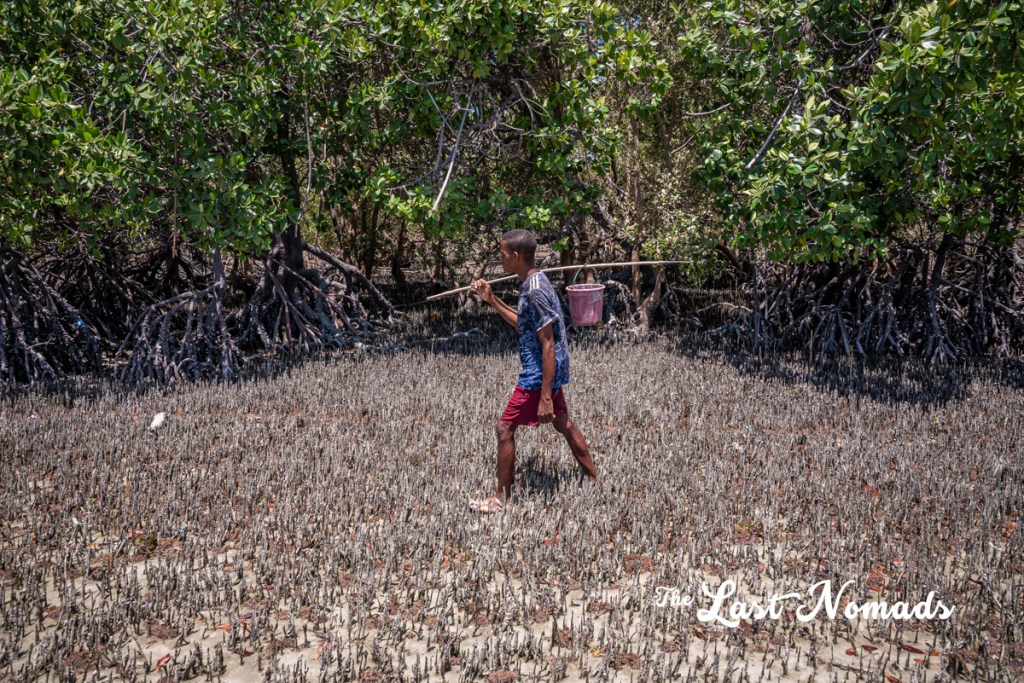
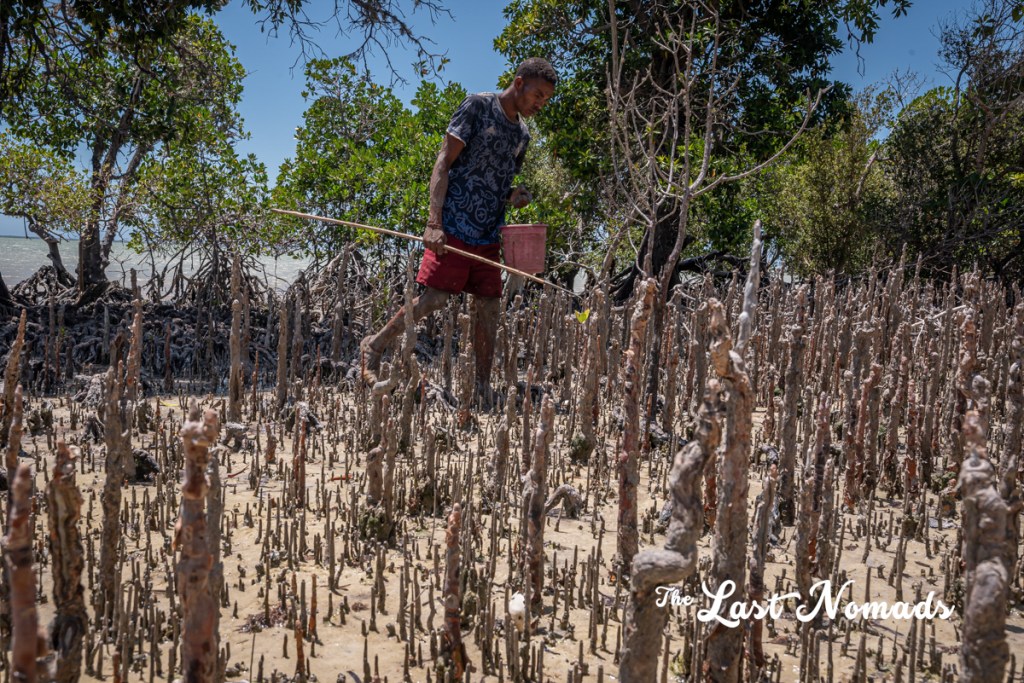
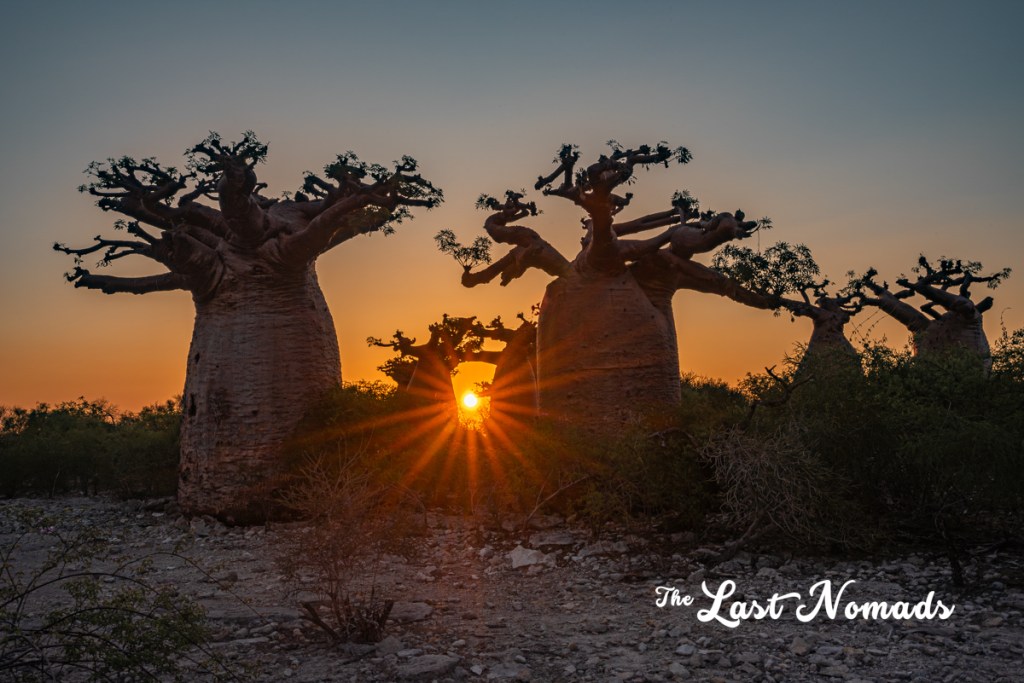
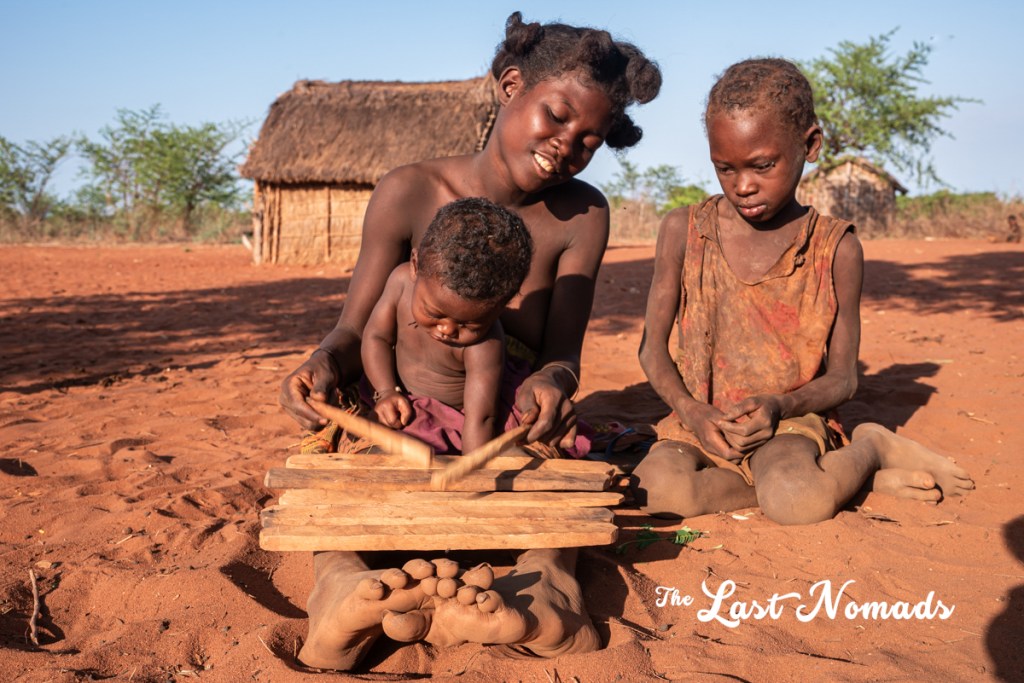
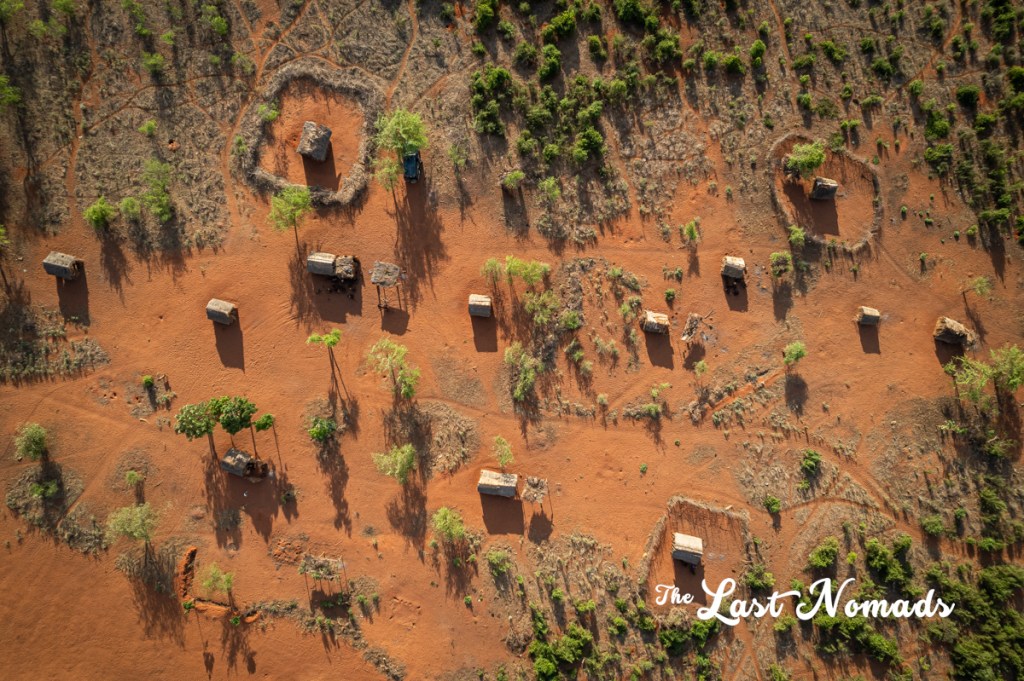
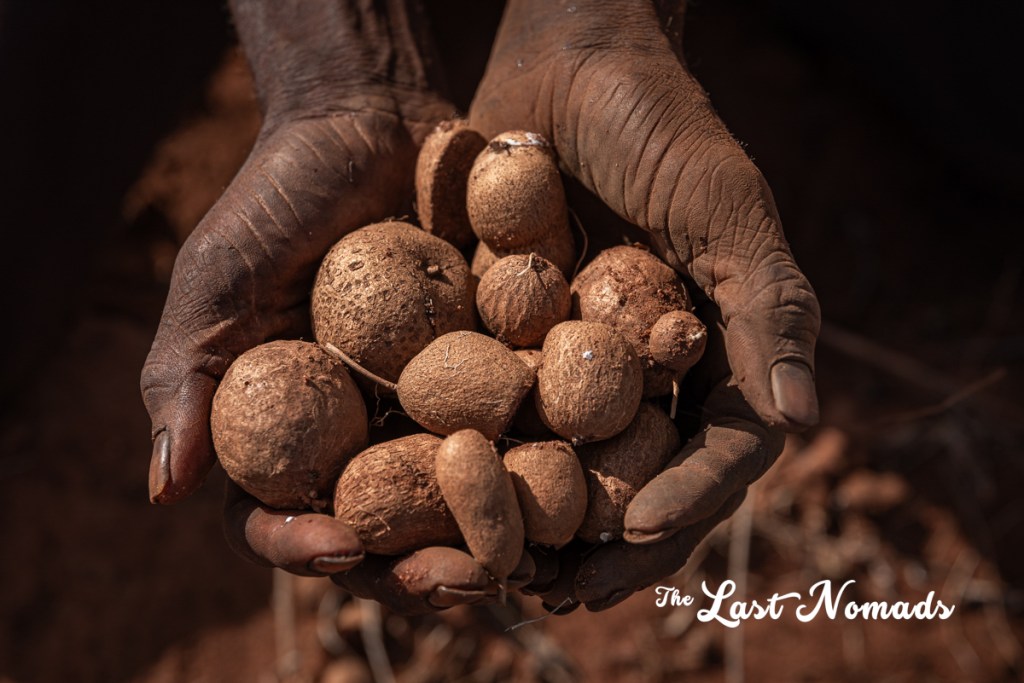
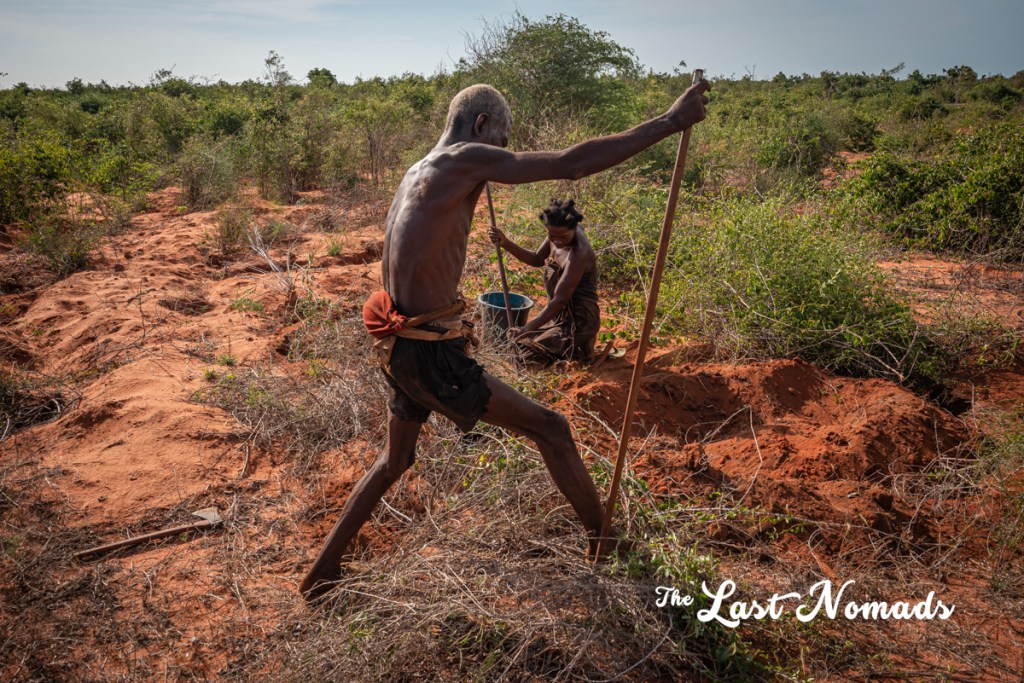
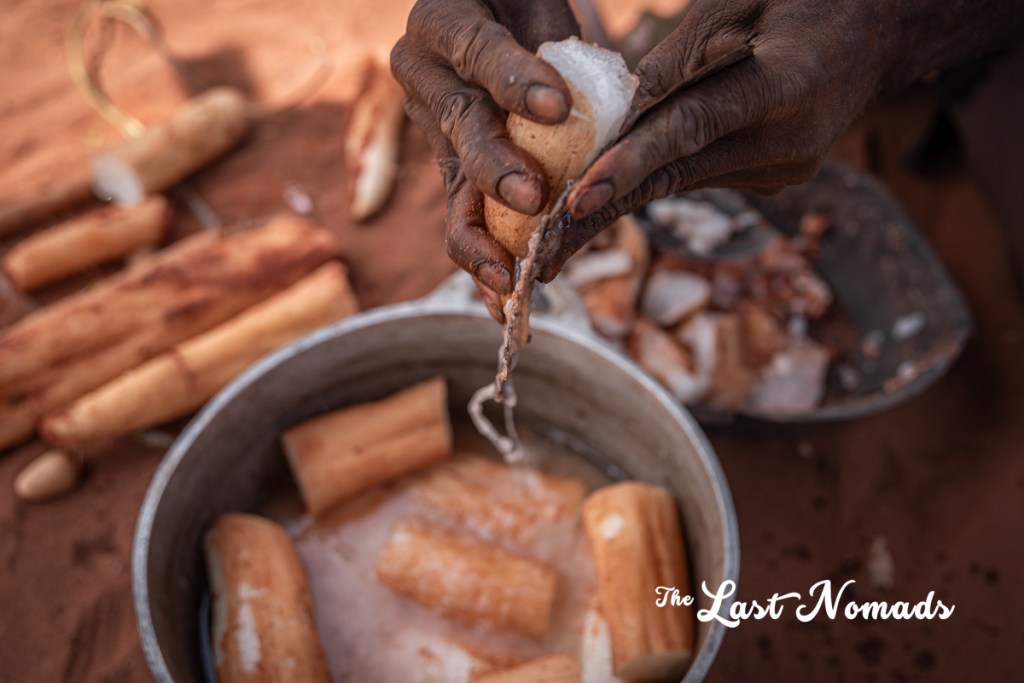
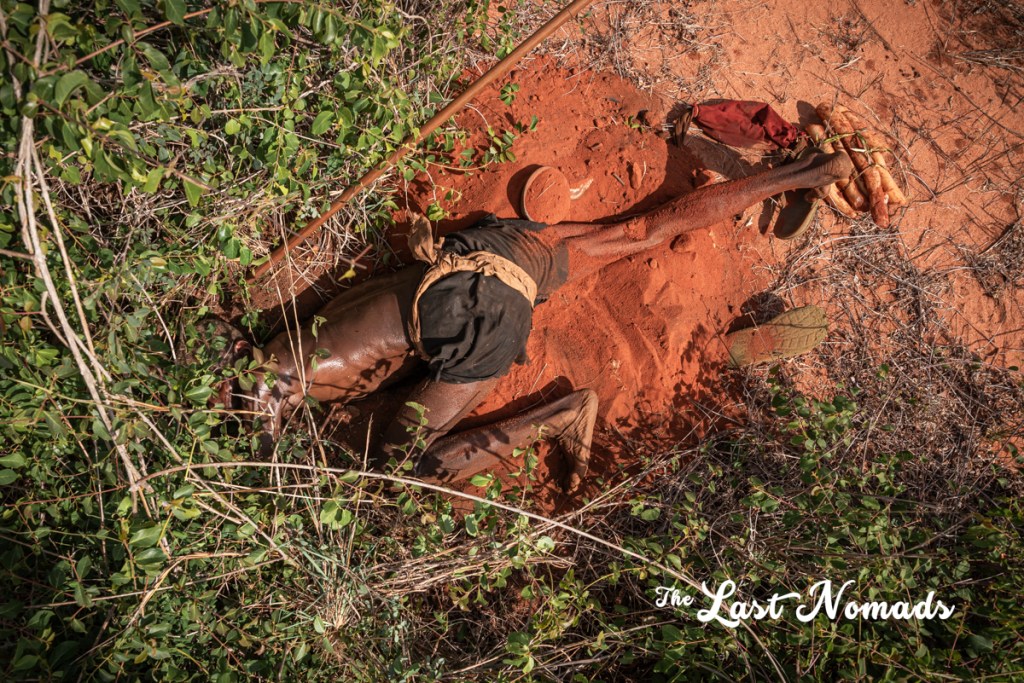
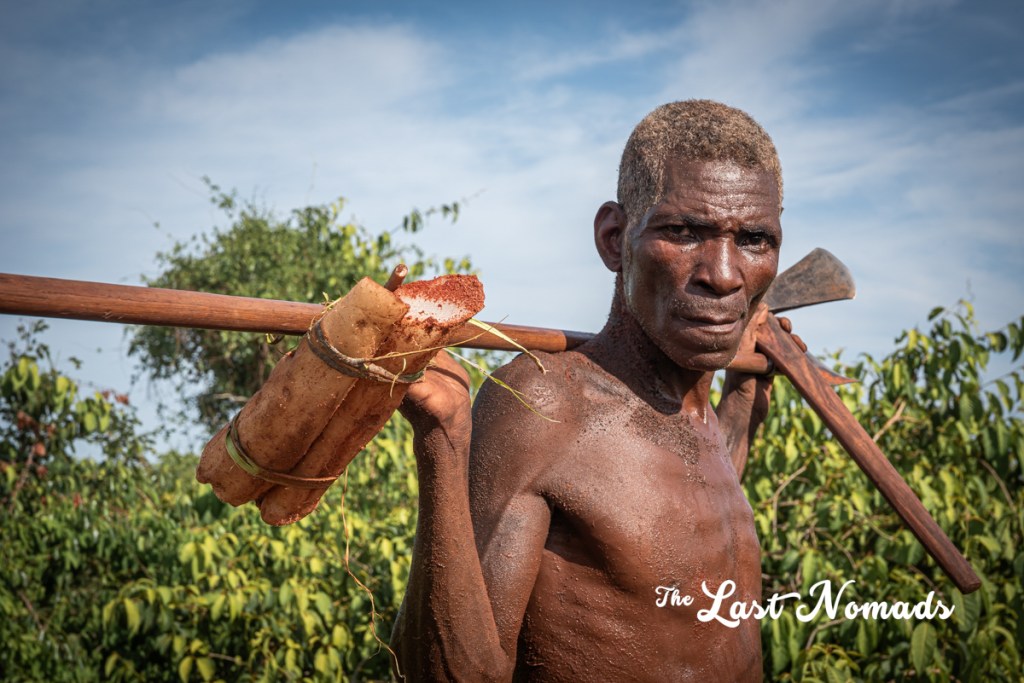
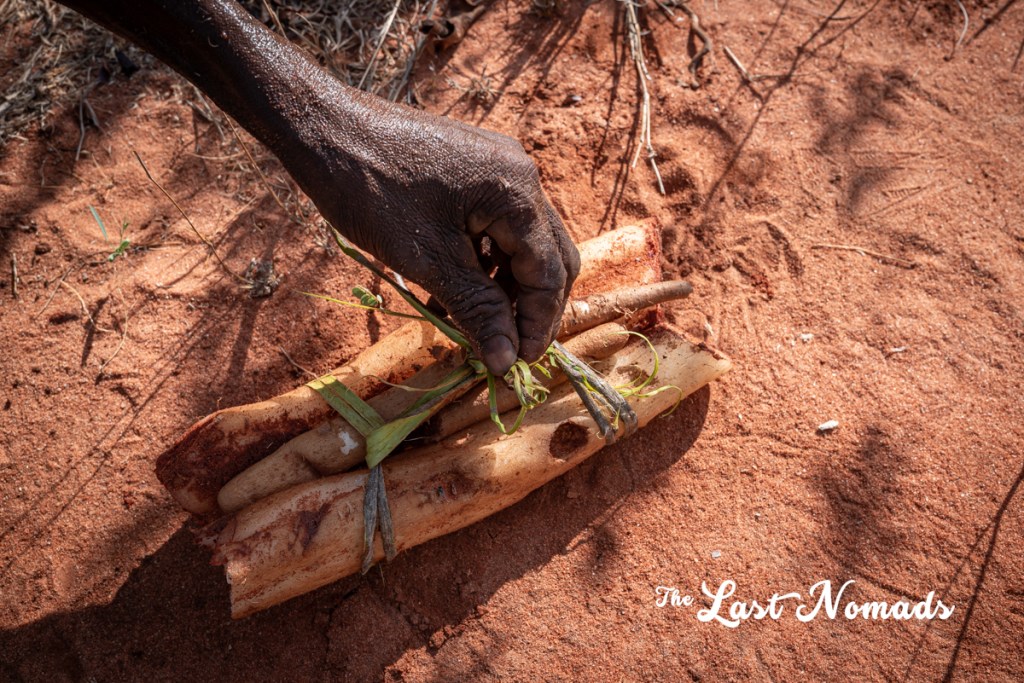
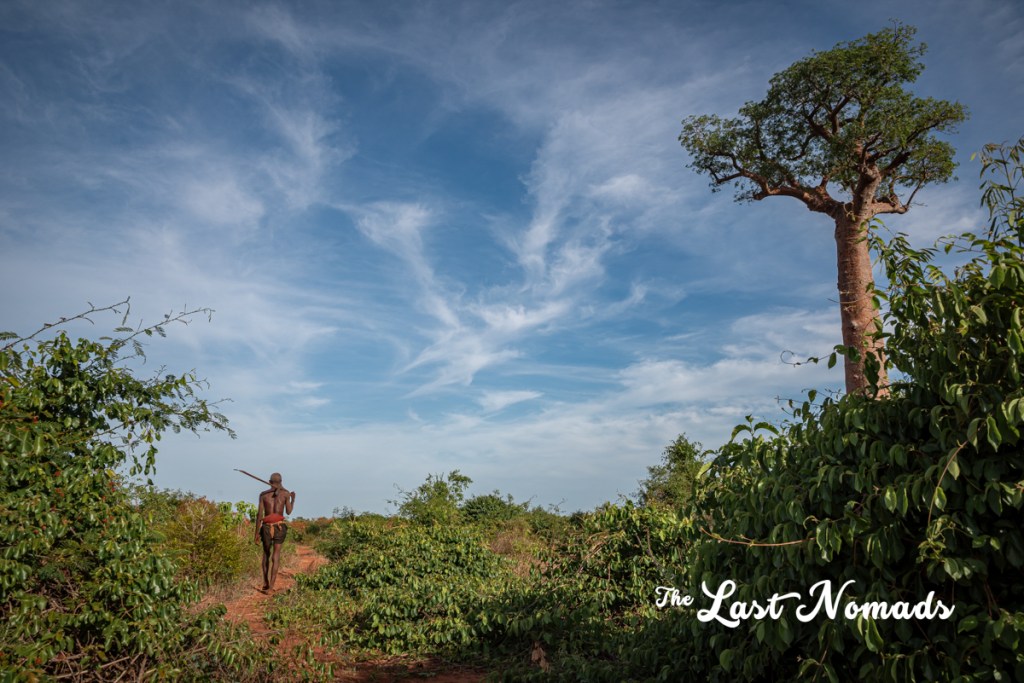
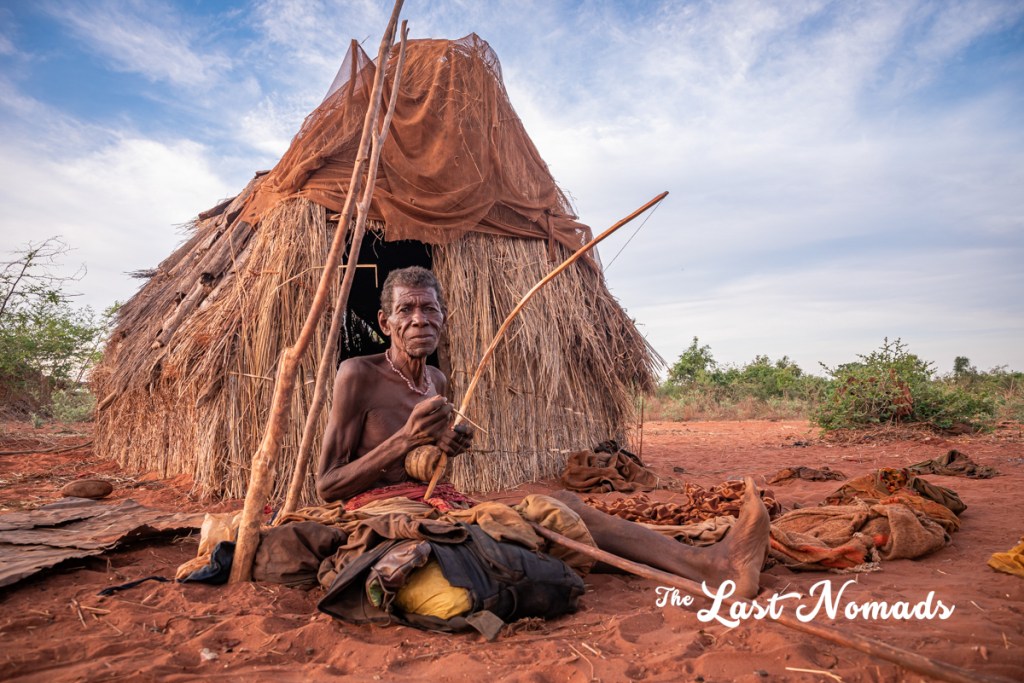
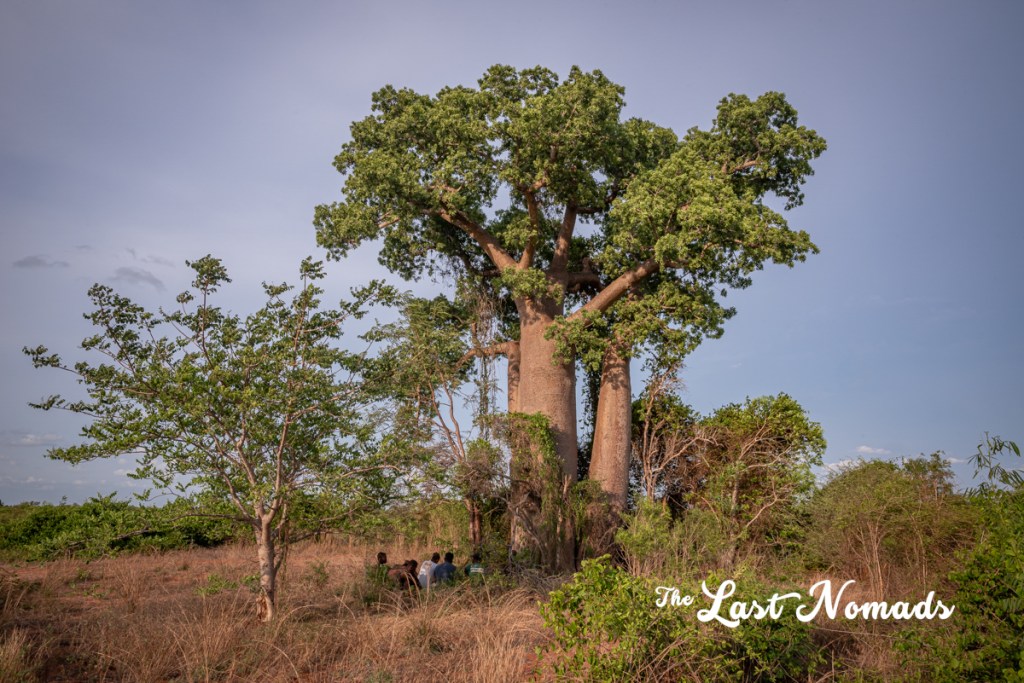
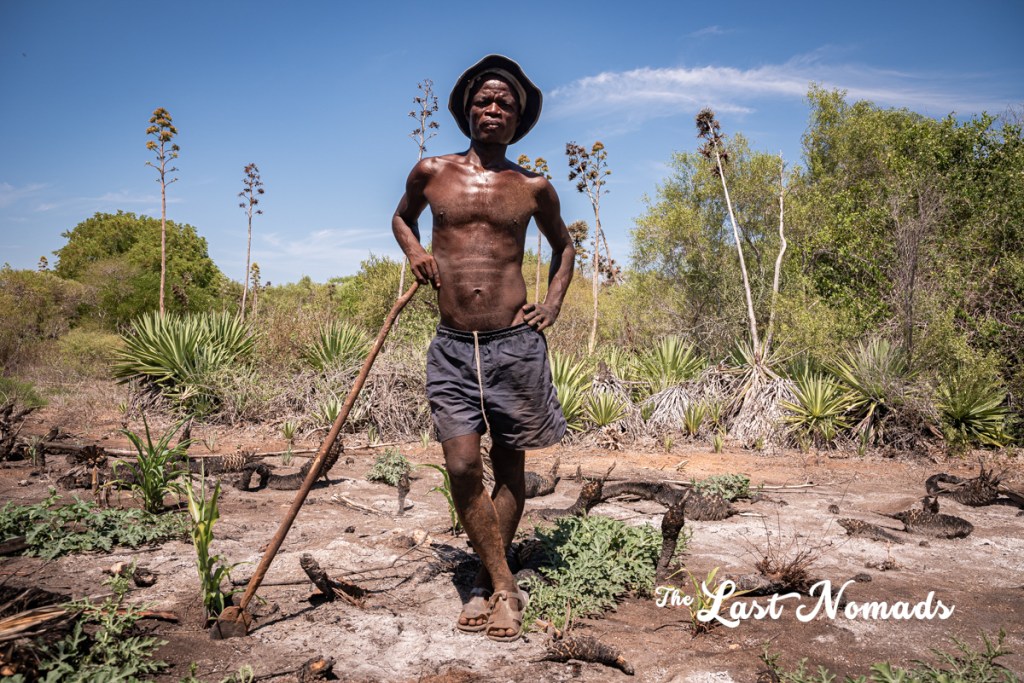
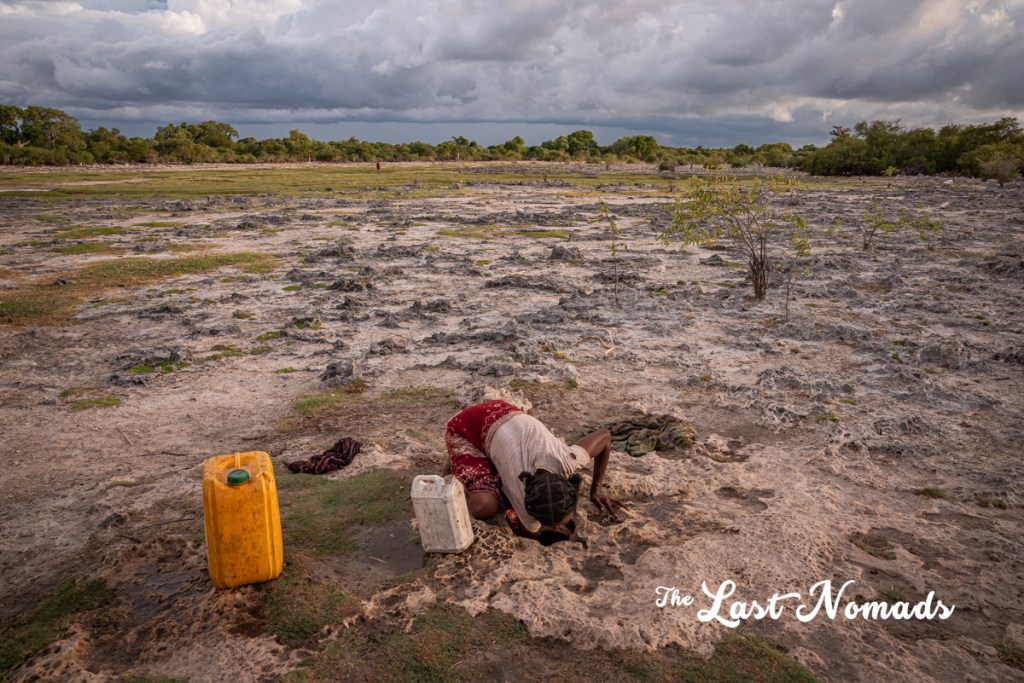
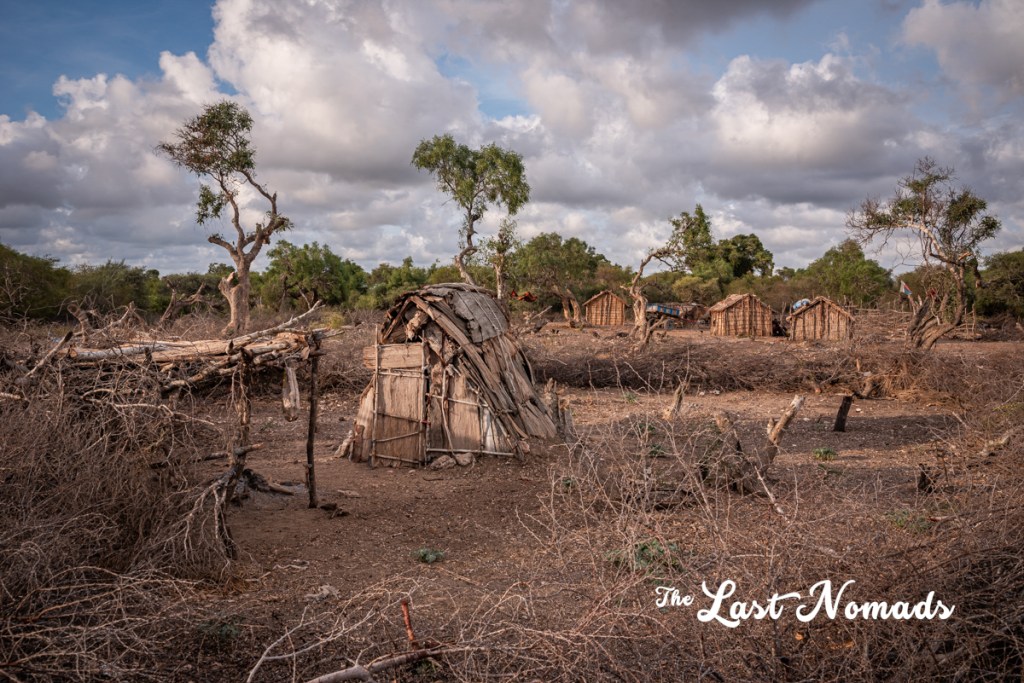
In close proximity within the spiny forest ecoregion, where baobabs stand tall against the horizon, the Mikea people—a semi-nomadic group—have lived in deep harmony with their forest home for generations. Known for their resourcefulness as hunter-gatherers, they once roamed freely through the Mikea Forest, which provided not only sustenance but also spiritual and cultural grounding. Today, this way of life is at risk, as the Mikea find themselves pushed to the fringes of their ancestral territory, struggling to adapt in a world that no longer accommodates their nomadic traditions. The Mikea Forest, ironically named, is now a protected area, with strict conservation laws that prevent the Mikea from living there. While they are still permitted to hunt and forage within its boundaries, they can no longer settle or move freely. This forced displacement has upended their nomadic rhythms, driving many Mikea to adopt semi-sedentary lifestyles near villages like Bedo. Here, they attempt small-scale farming—cultivating maize, cassava, and beans—but with infertile soil and increasingly unpredictable weather, farming offers limited success. Water scarcity compounds their struggles. Once sustained by the forest’s natural resources, the Mikea now walk long distances to reach water holes, relying heavily on moisture-rich Babo roots during dry months. This shift from forest nomadism to survival on the periphery has also impacted their cultural identity. “The forest has always been our guardian,” says village elder Ramene, recounting the stories of his ancestors, who fled to the forest to escape colonial rulers and gave rise to the Mikea way of life. Climate change has further intensified their challenges. Extended droughts, erratic rainfall, and rising temperatures have pushed the natural resources they depend on to the brink. The influx of Tandroy migrants from the south, also driven by drought, has introduced new pressures. These migrants, seeking fertile land, often practice slash-and-burn agriculture, which not only competes with the Mikea’s needs but also accelerates deforestation. The resulting tensions are reshaping the fragile ecosystems and social dynamics of the region. Despite these challenges, the Mikea continue to demonstrate remarkable resilience. Their foraging skills, honed over centuries, remain central to their survival. In the mornings, families rise with the sun to collect Ovy (a cassava-like root), hunt small game, or search for honey deep in the forest. By afternoon, they shift to gathering water or preparing food, relying on practices passed down through generations. Yet, as Ramene laments, “I worry for my children. If we lose the forest completely, what will they have left?”
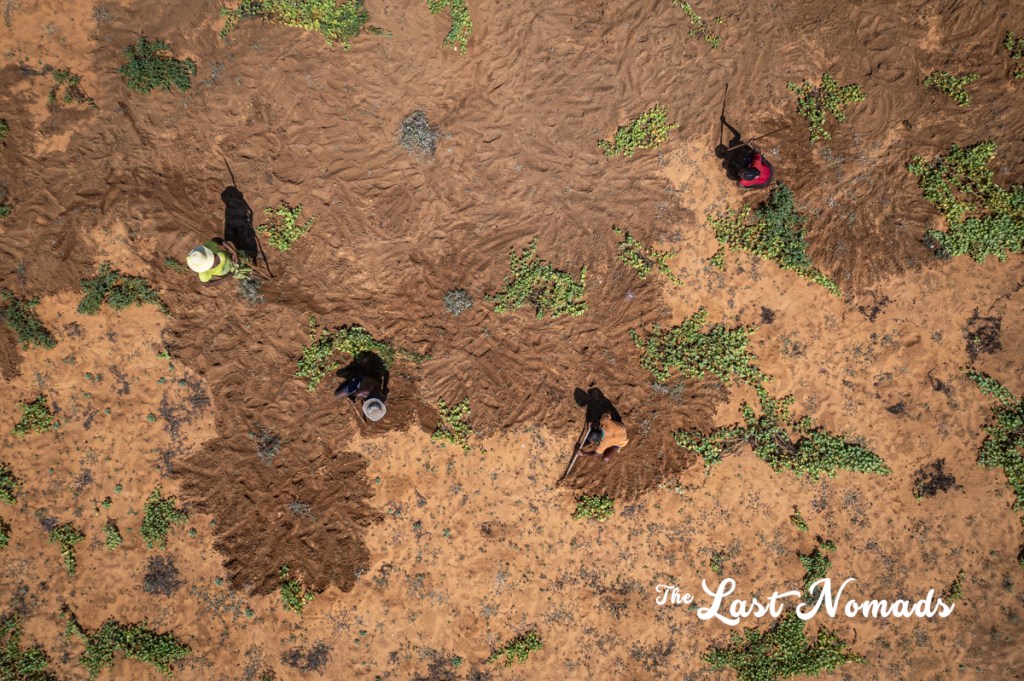
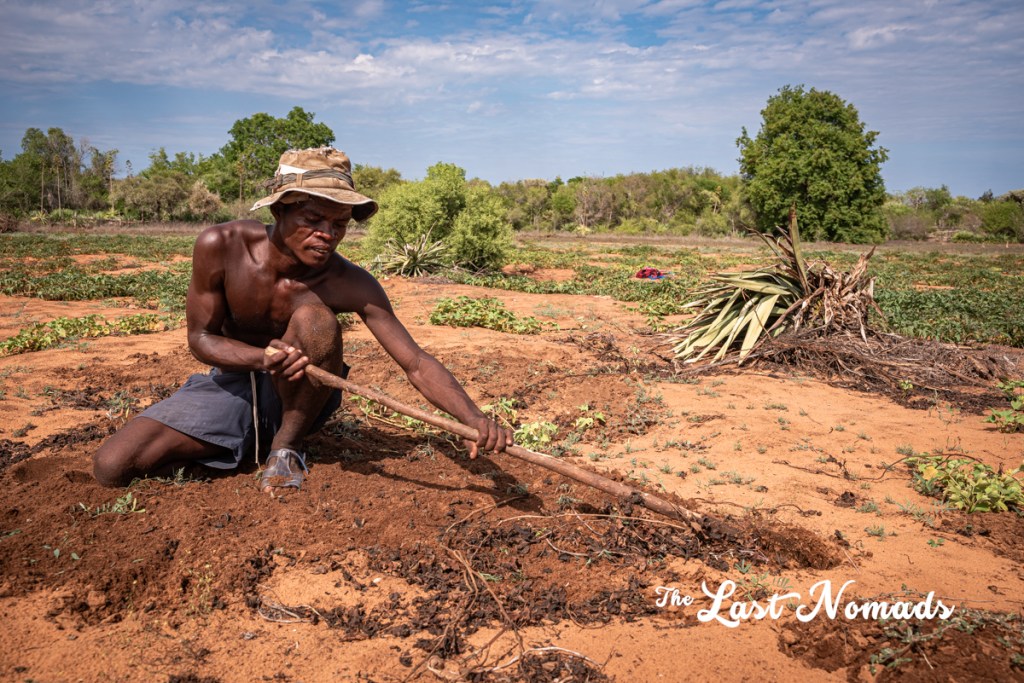
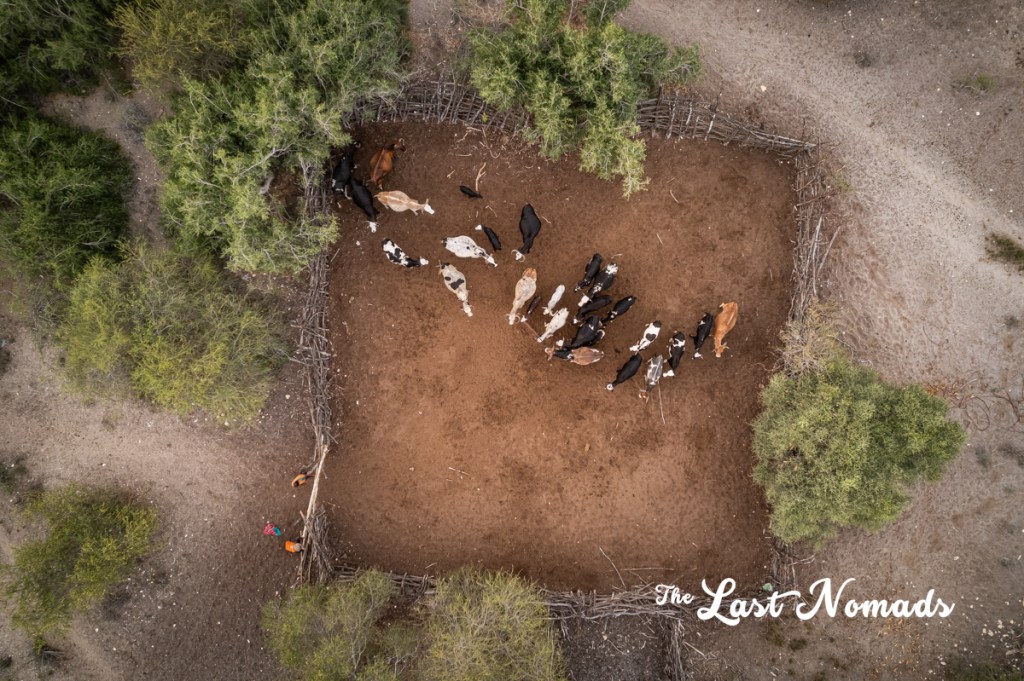
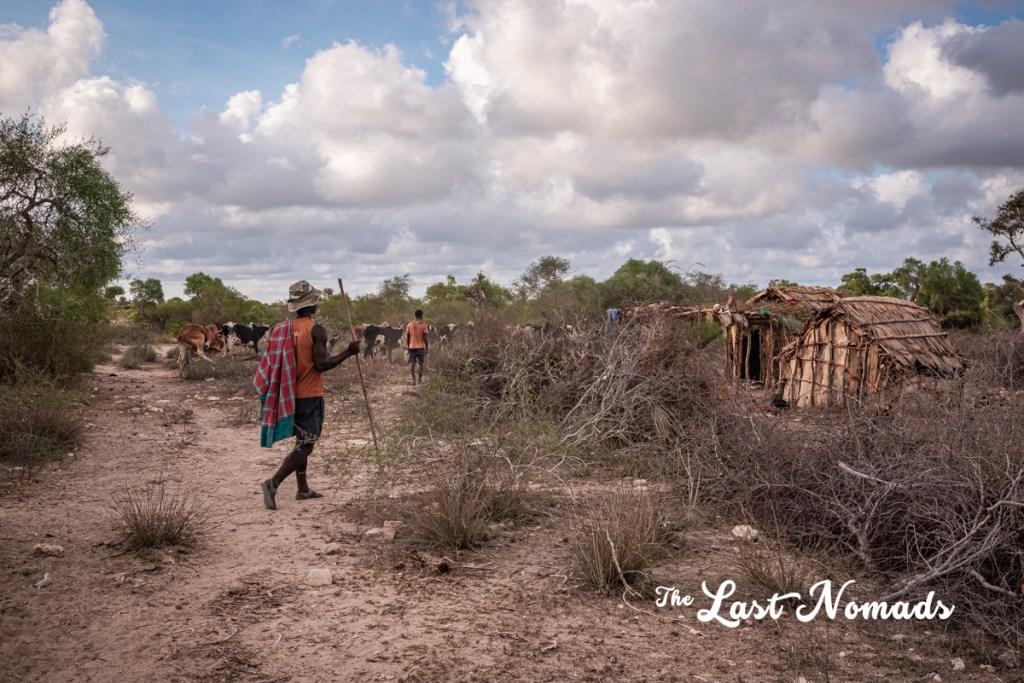
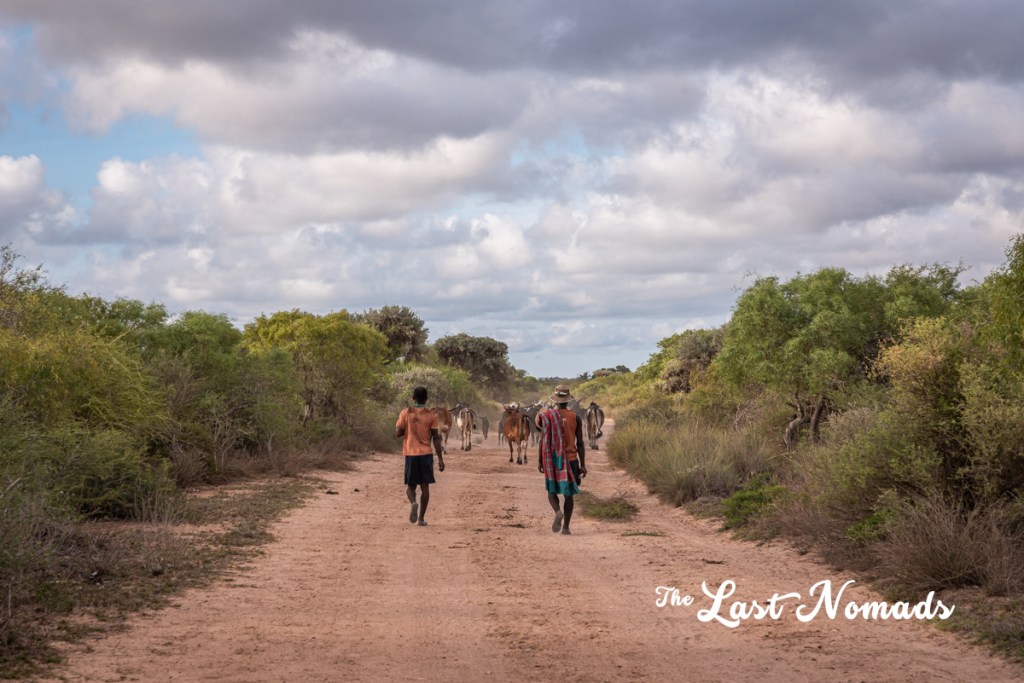
Side by side with the Mikea, along the edges of the spiny forest ecoregion, live the Masikoro—kin to the same Sakalava roots, yet shaped by their own resilience to the trials of Madagascar’s untamed southwest. While the Mikea are no longer allowed to live in their «supermarket» and the Vezo lament dwindling fish populations, the Masikoro face entirely different challenges. Unlike the other two self-sufficient communities of the Sakalava ethnic group, the Masikoro have devoted themselves to agriculture for about a century. Nowadays, they must endure excessive droughts and unpredictable weather cycles near the Spiny Forest. With over 80% of Madagascar’s population engaged in farming, the Masikoro stand in stark contrast to the central highland farmers, who live in two-story mud houses or relatively upscale homes, as they possess the least and cultivate the most challenging lands in one of the poorest regions of one of the world’s poorest countries.
Documentary (Vezo, Mikea & Masikoro)
Slideshow
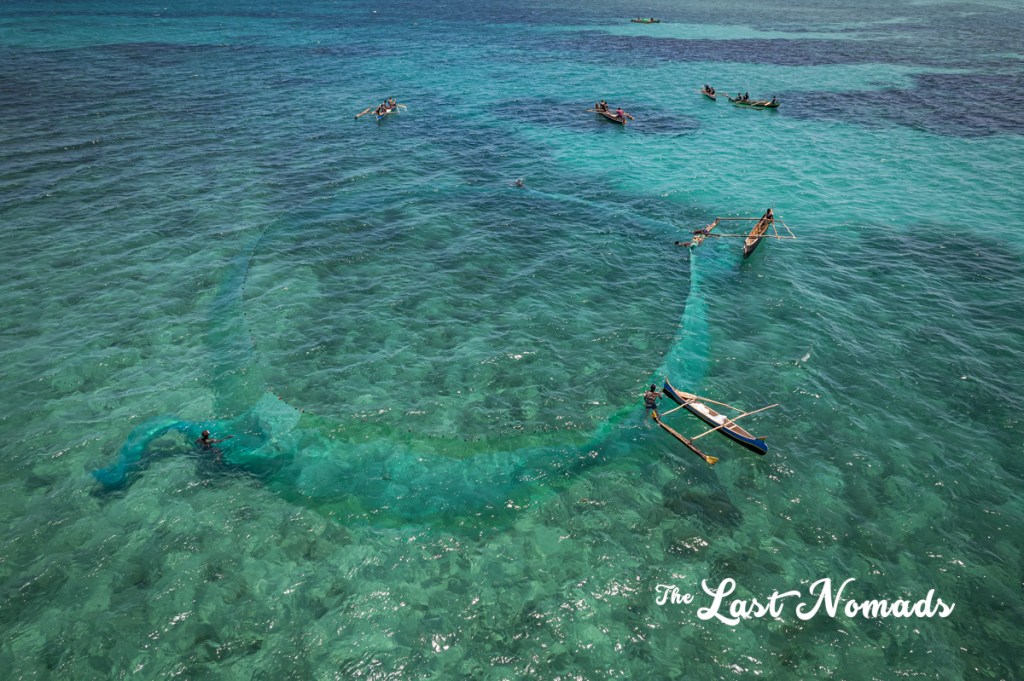

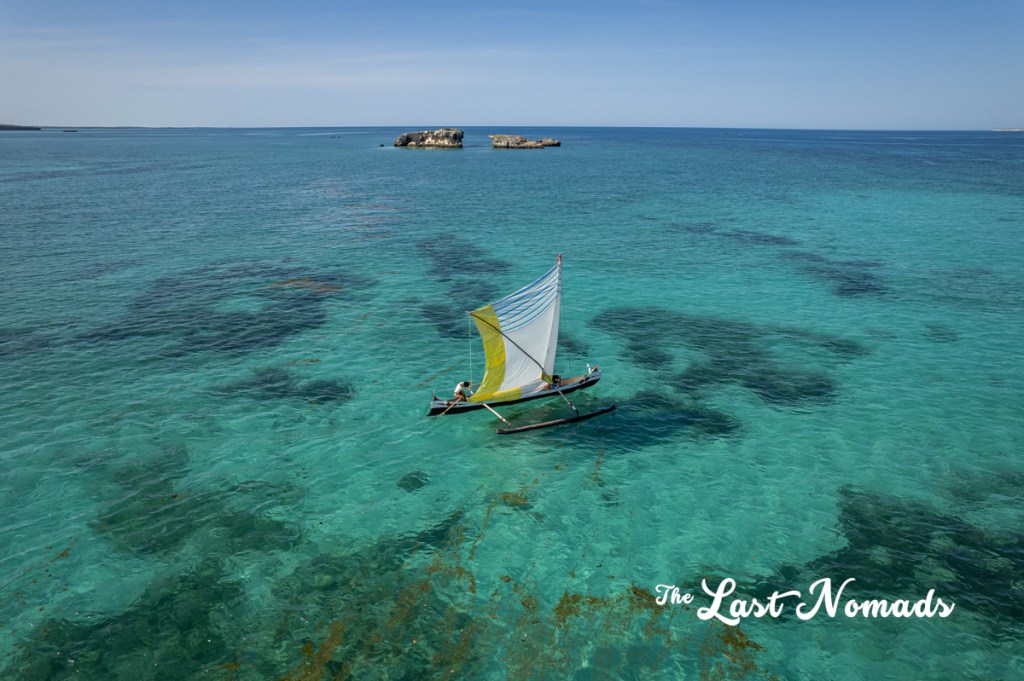
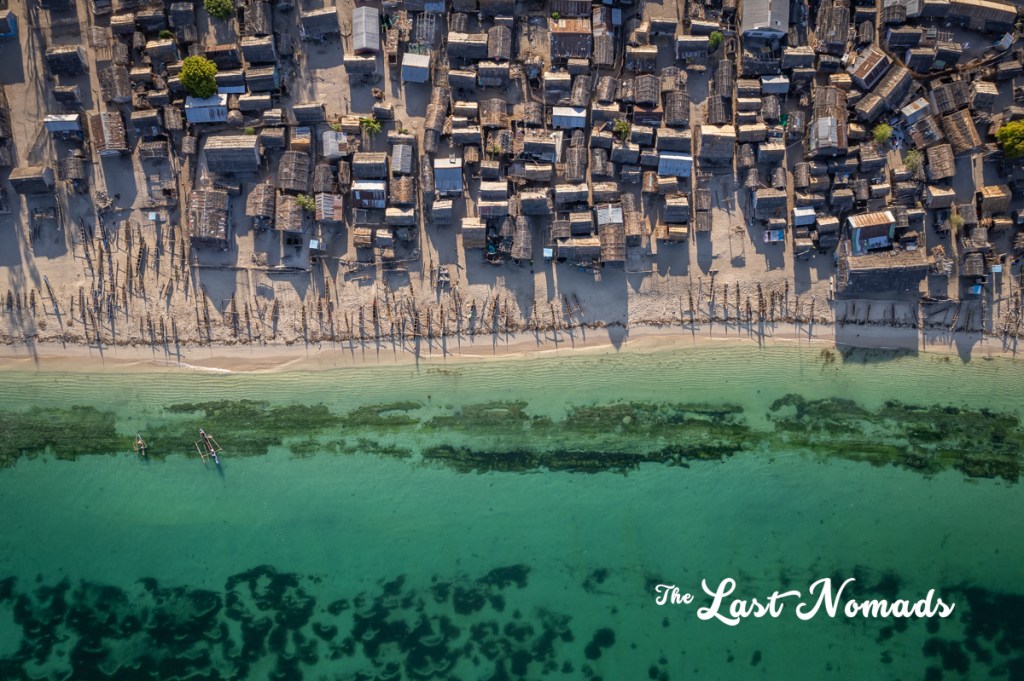
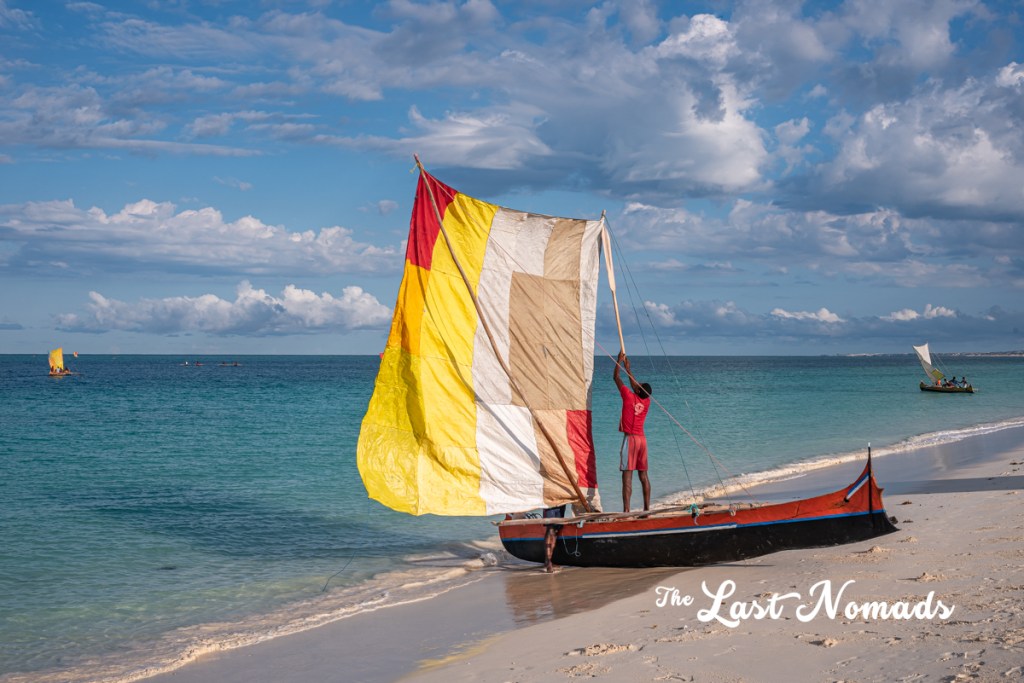

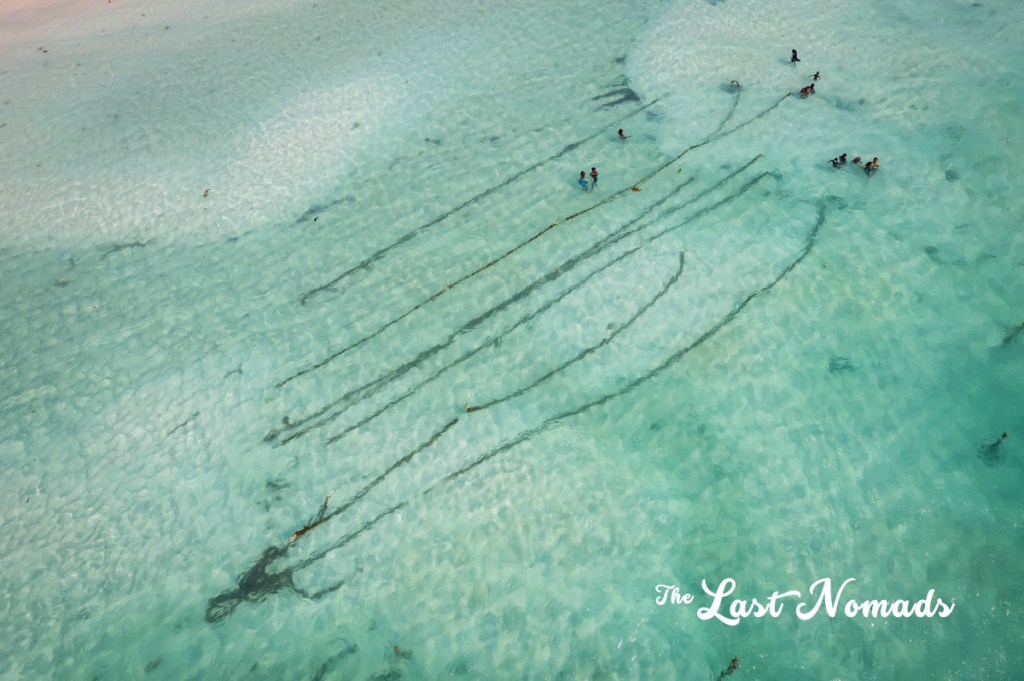


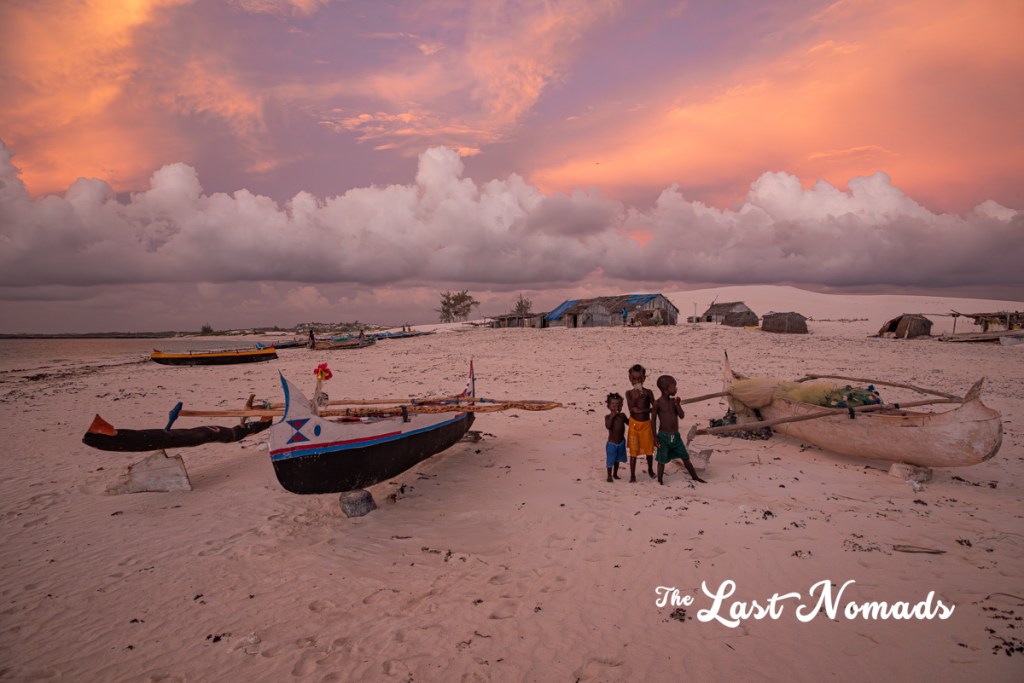
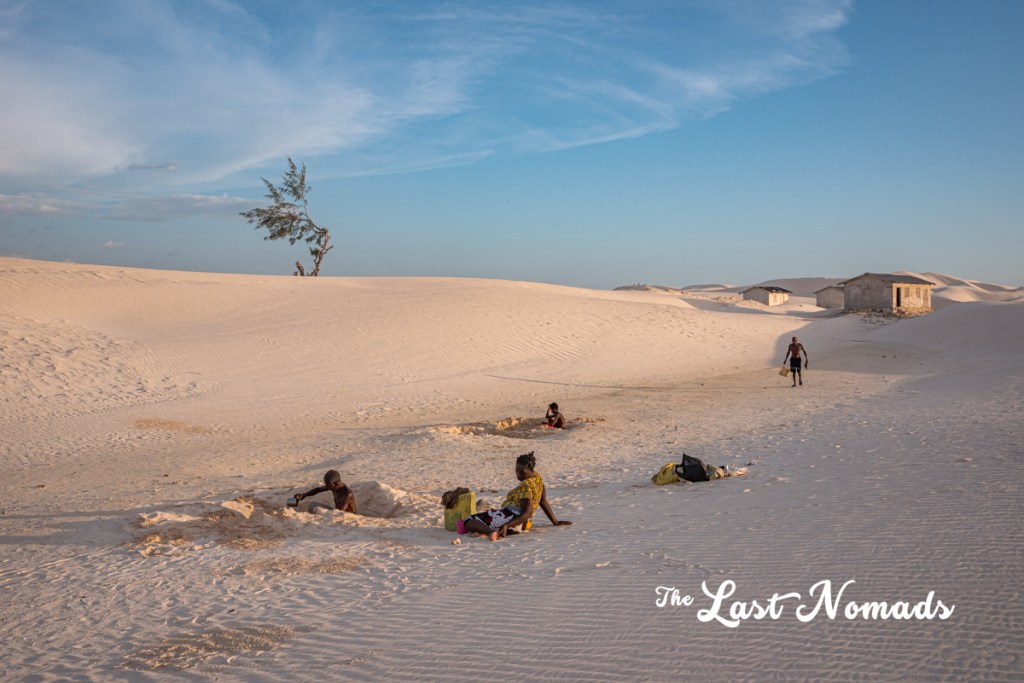
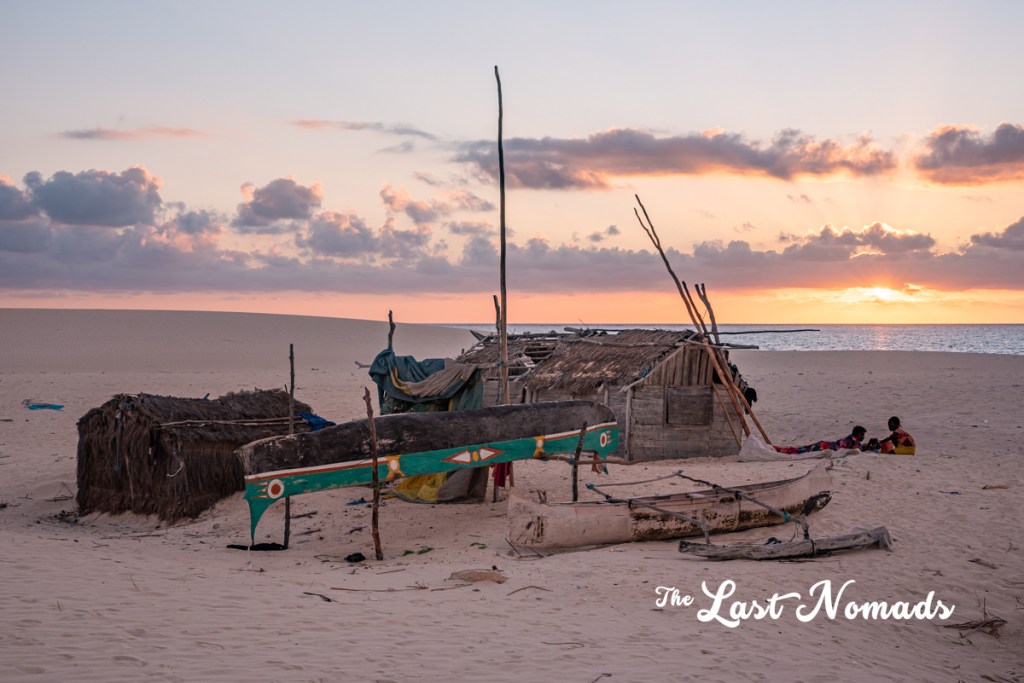

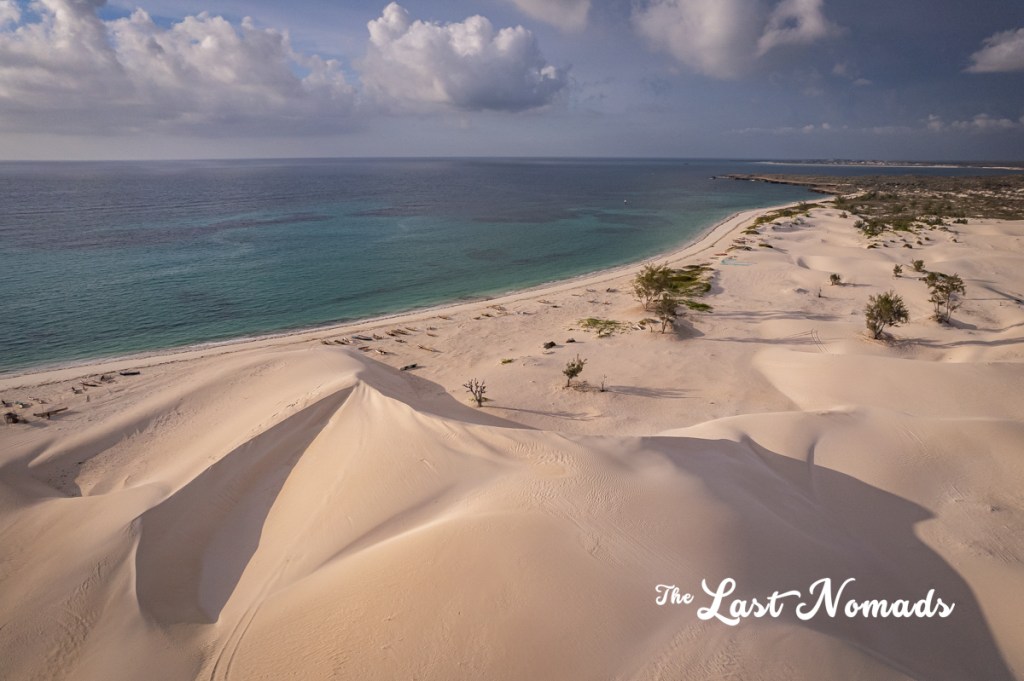
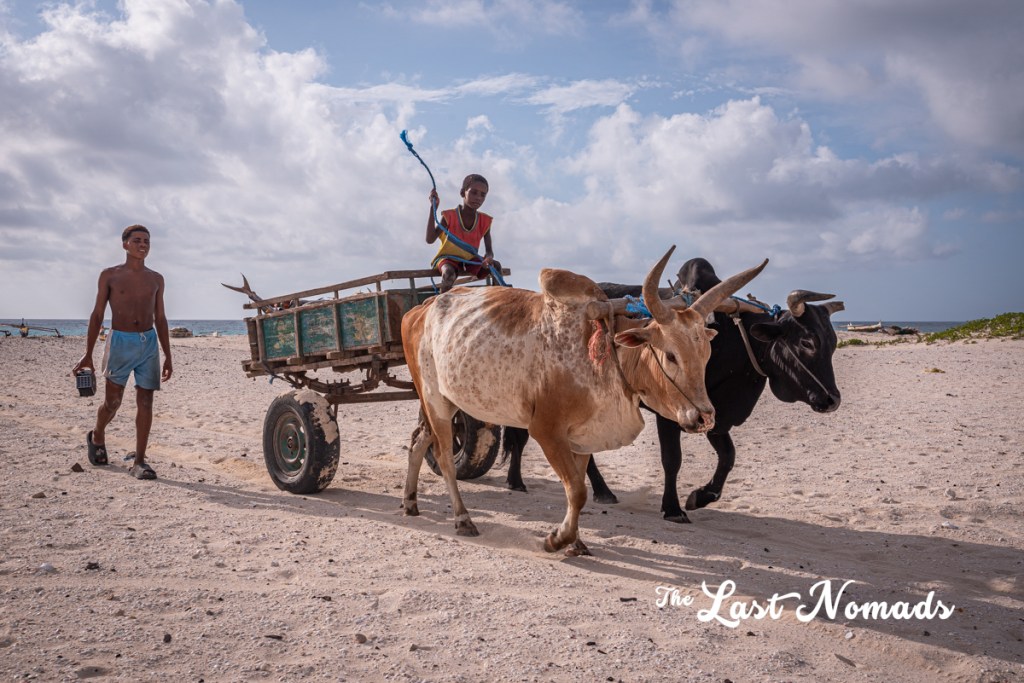
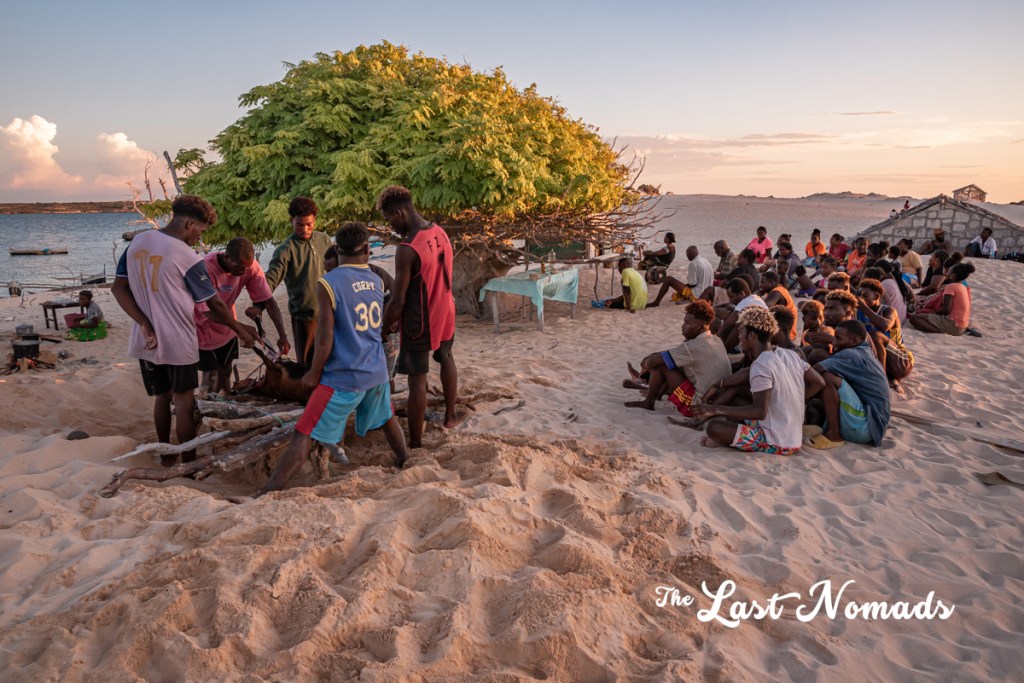

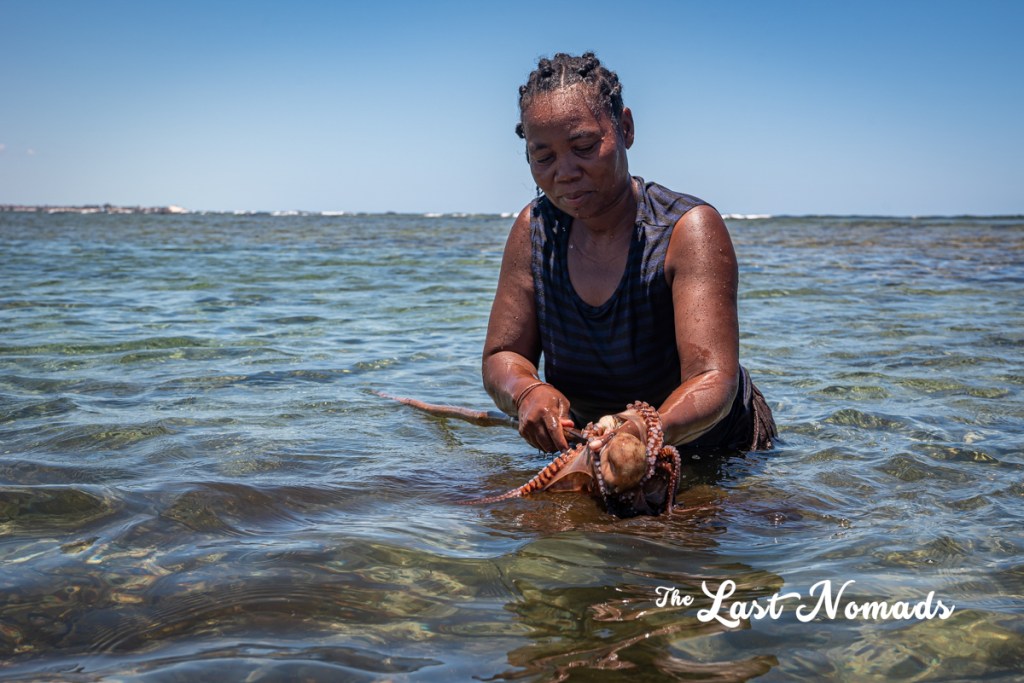
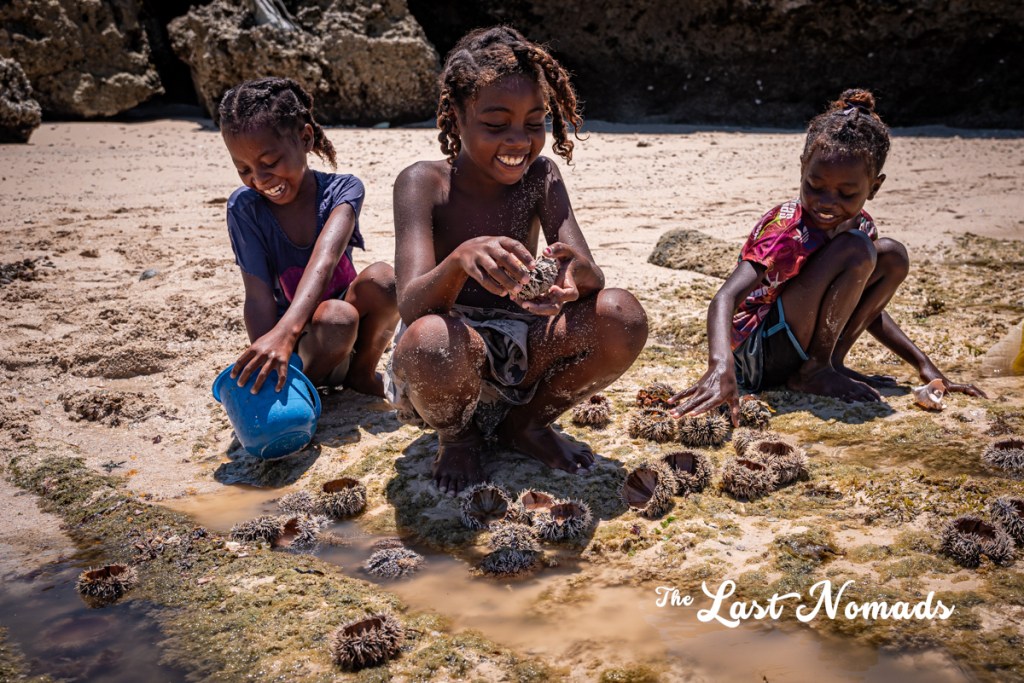
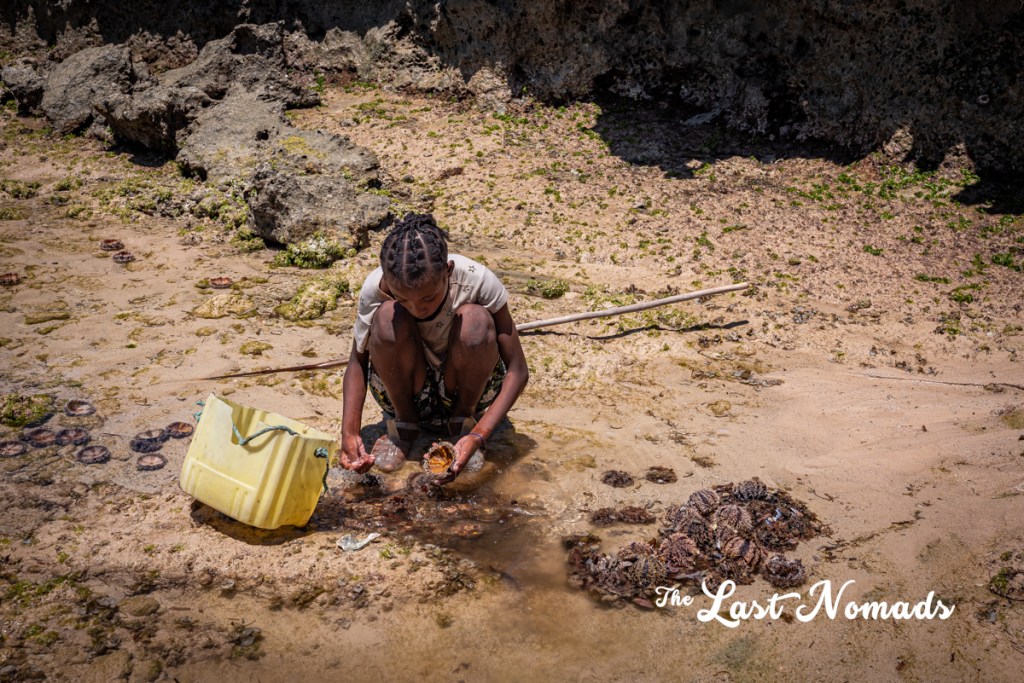
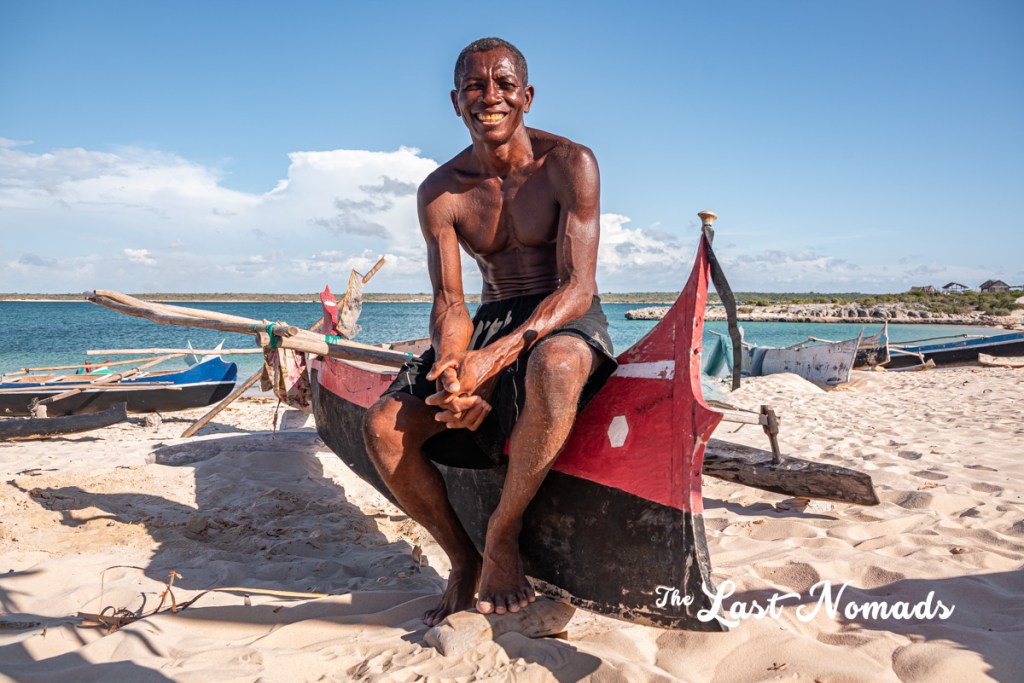

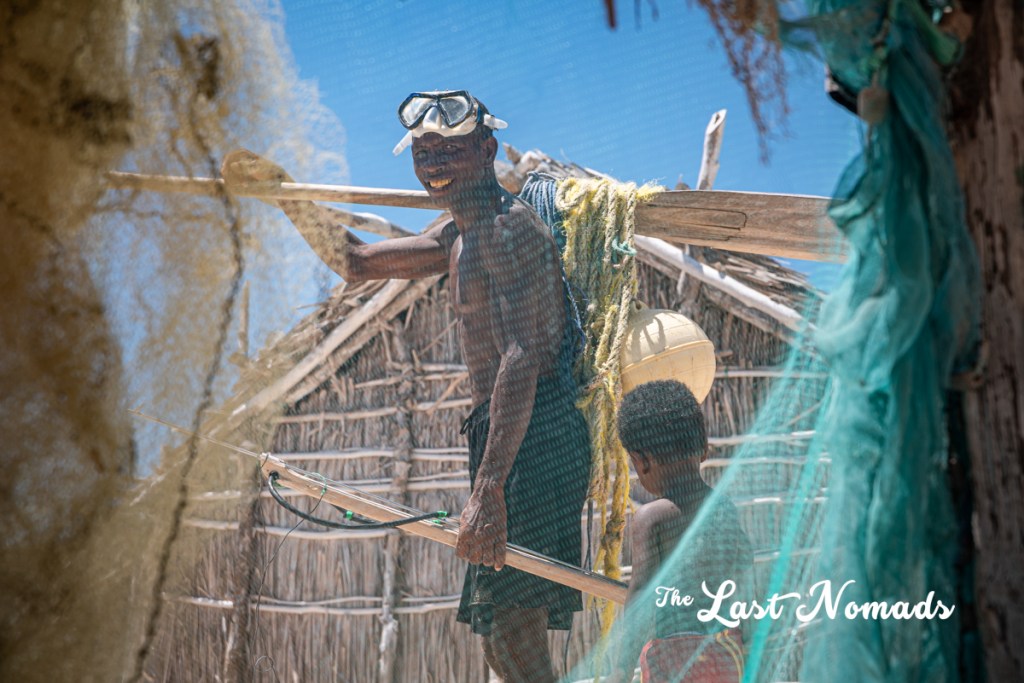
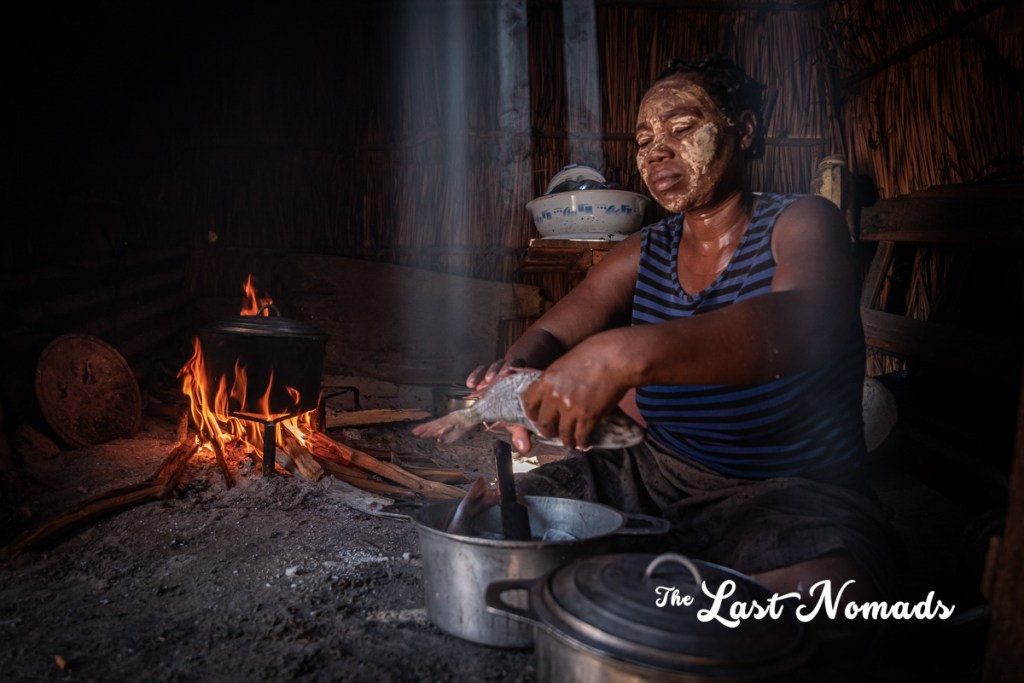
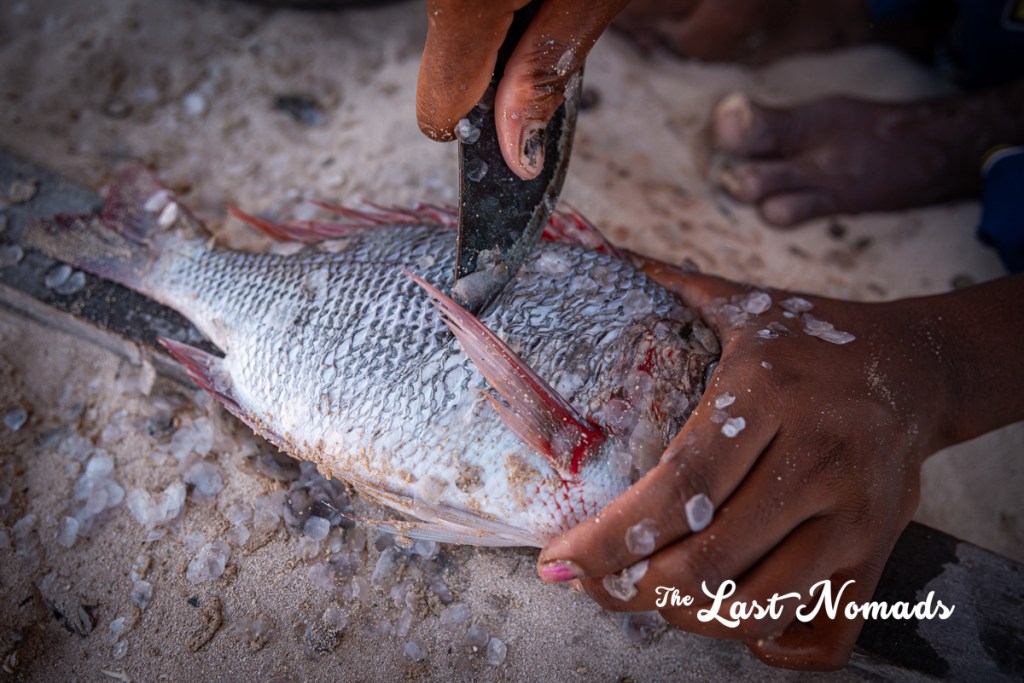
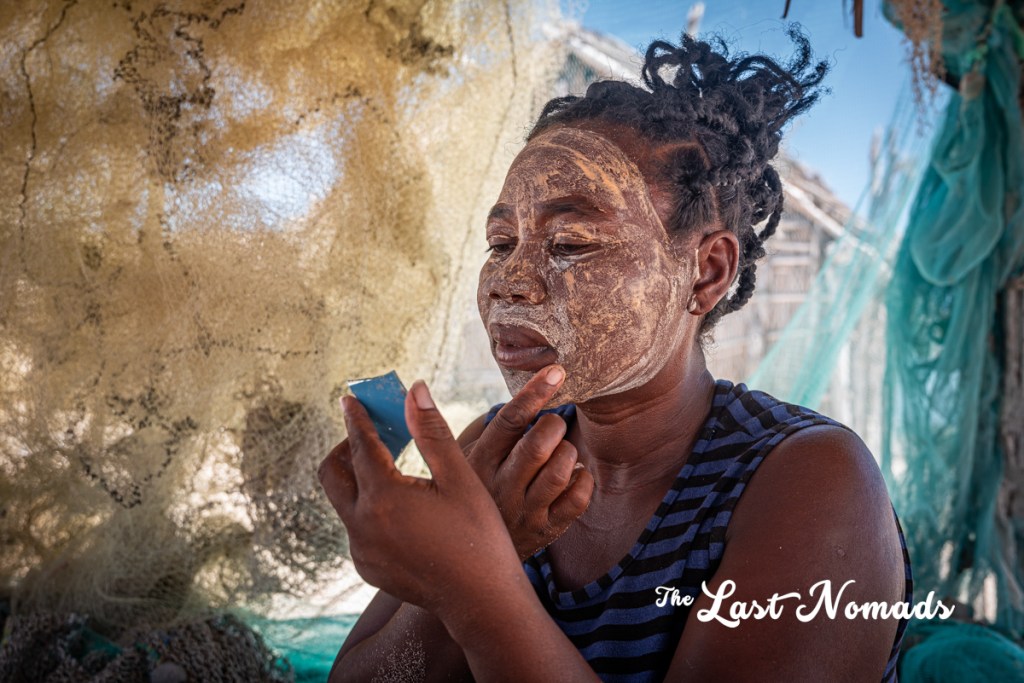

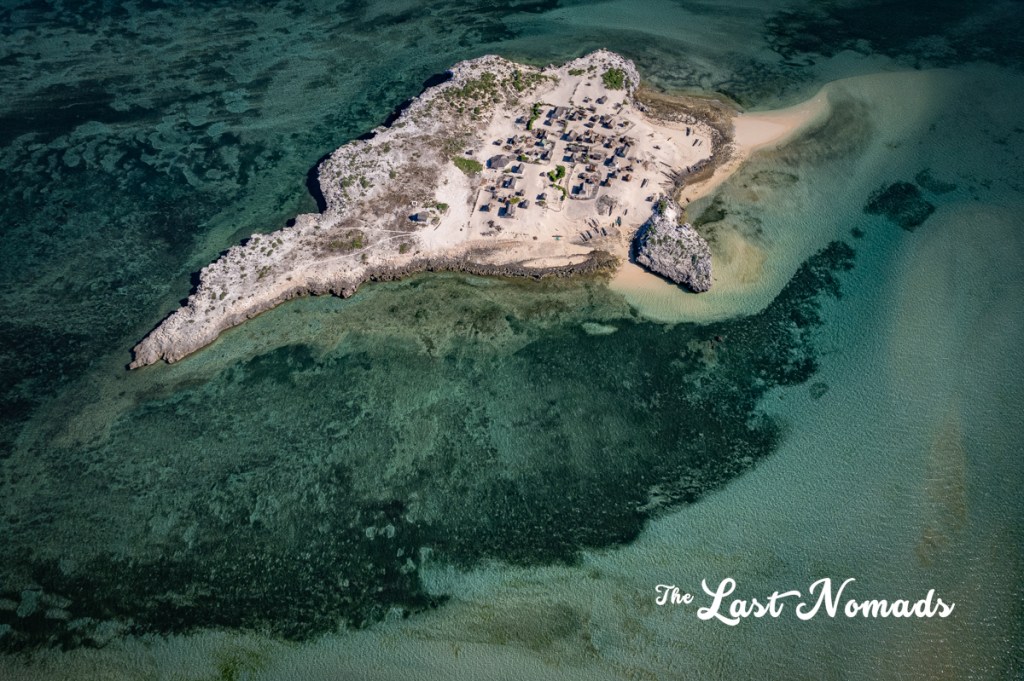

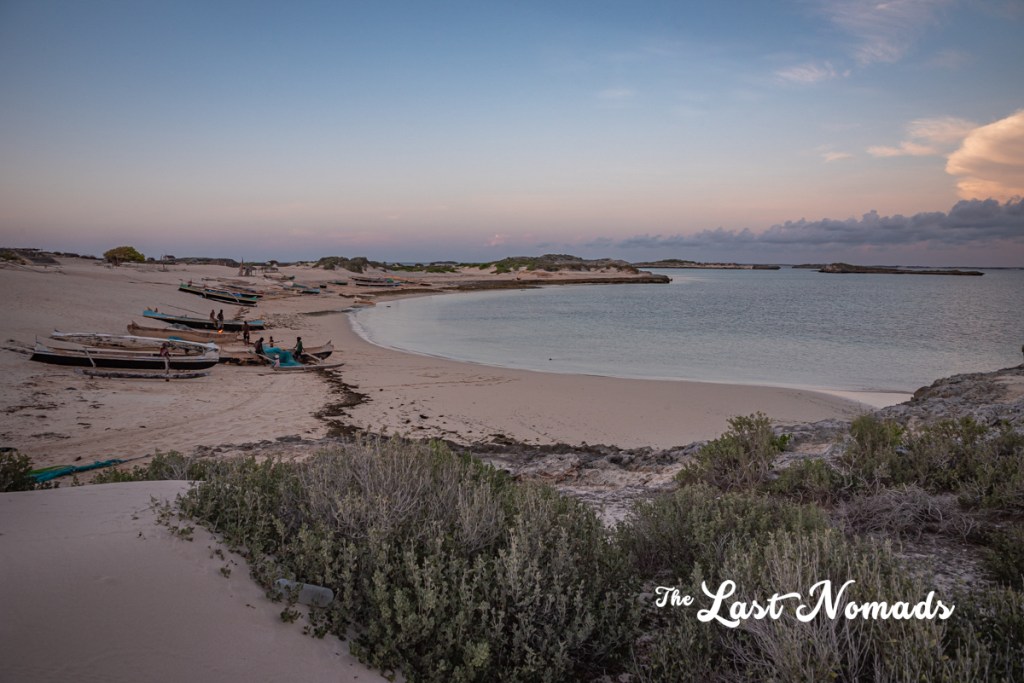

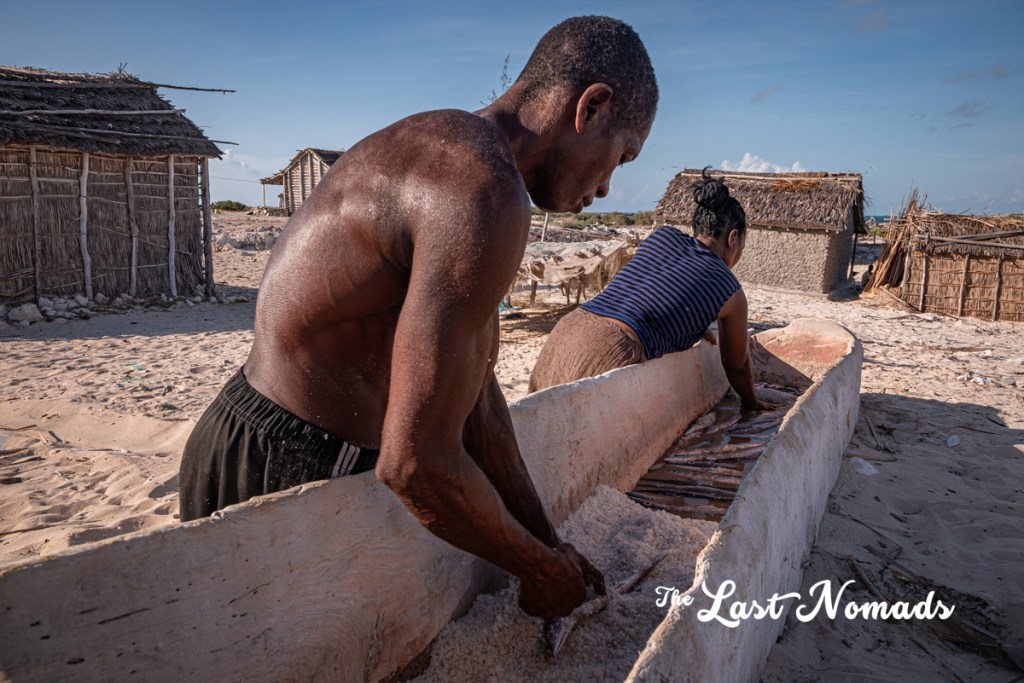

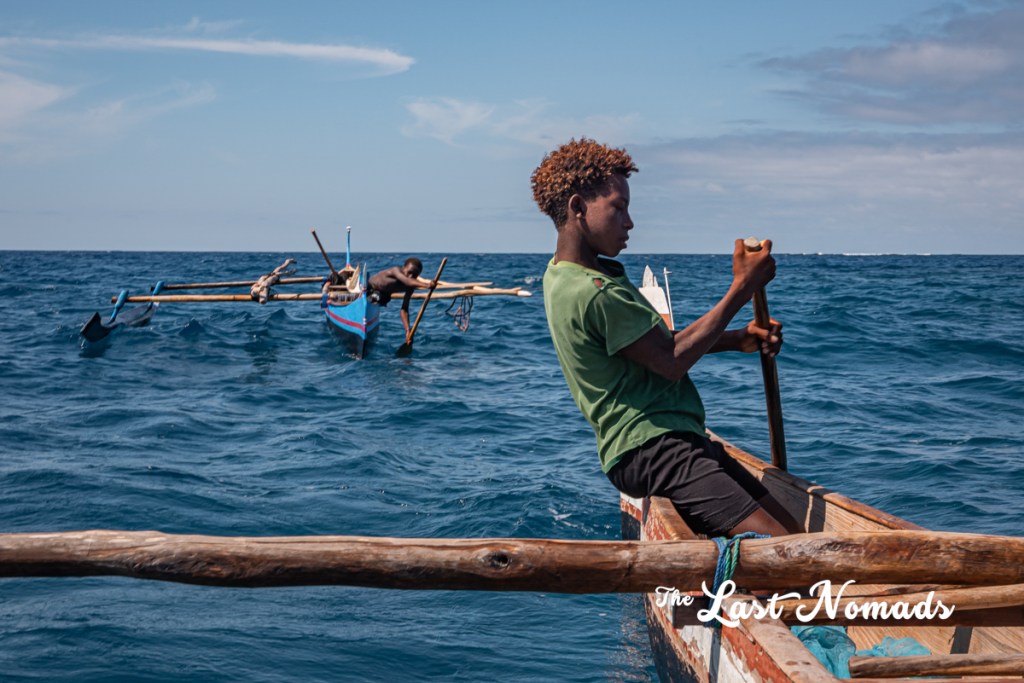
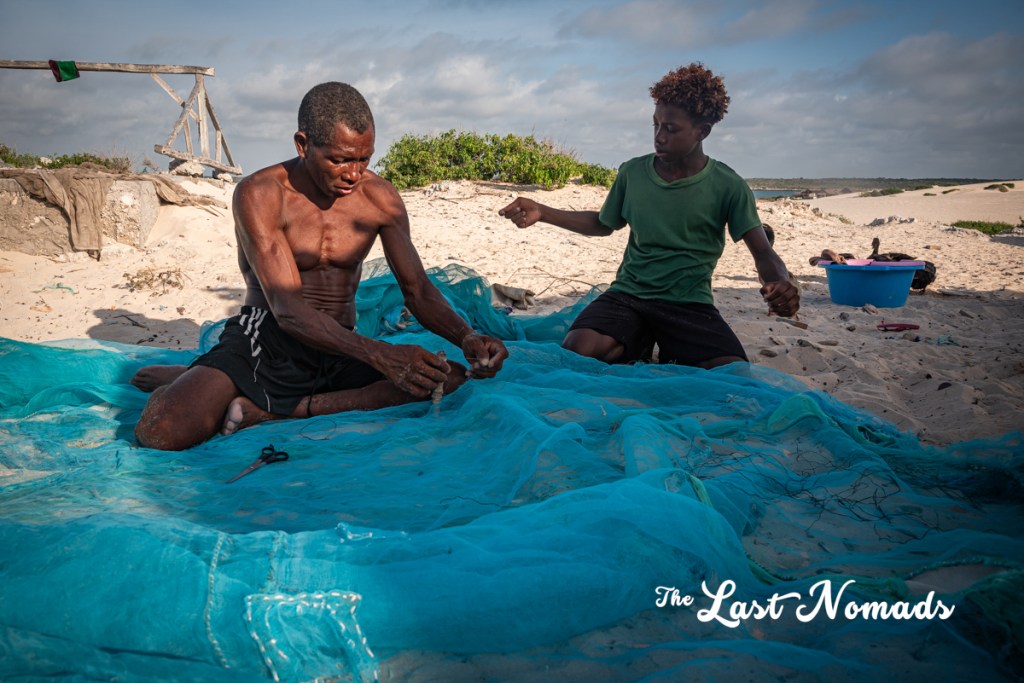

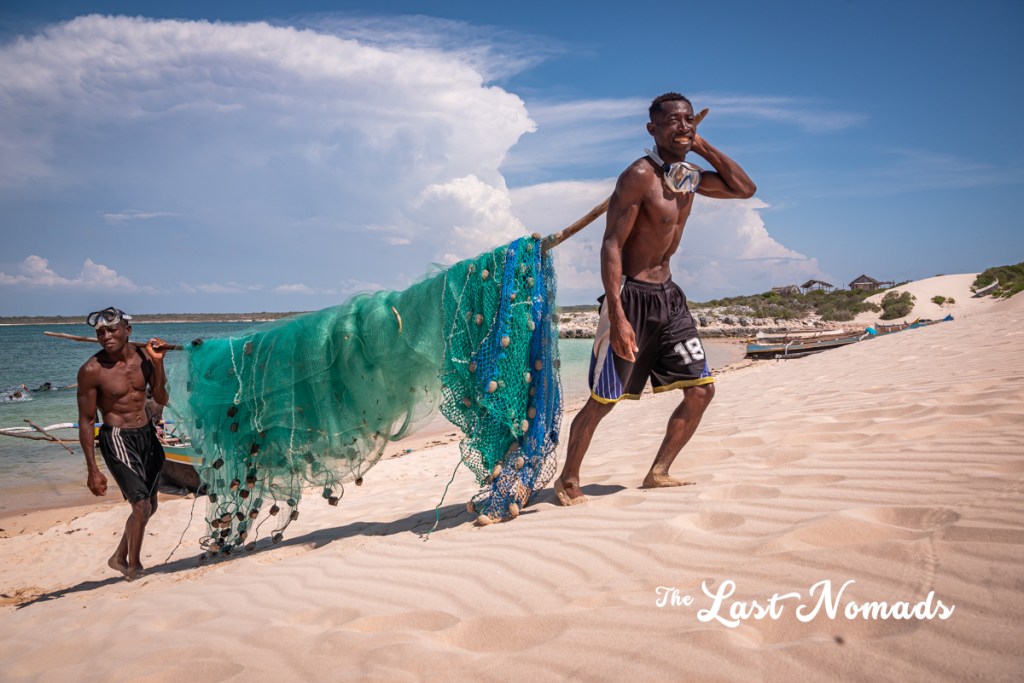
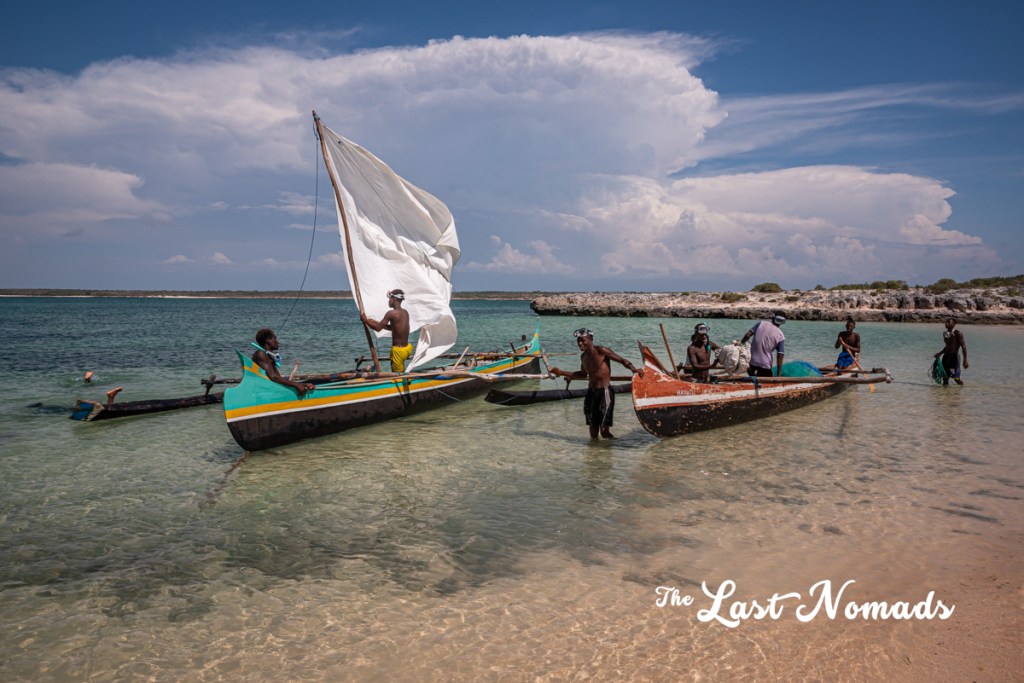
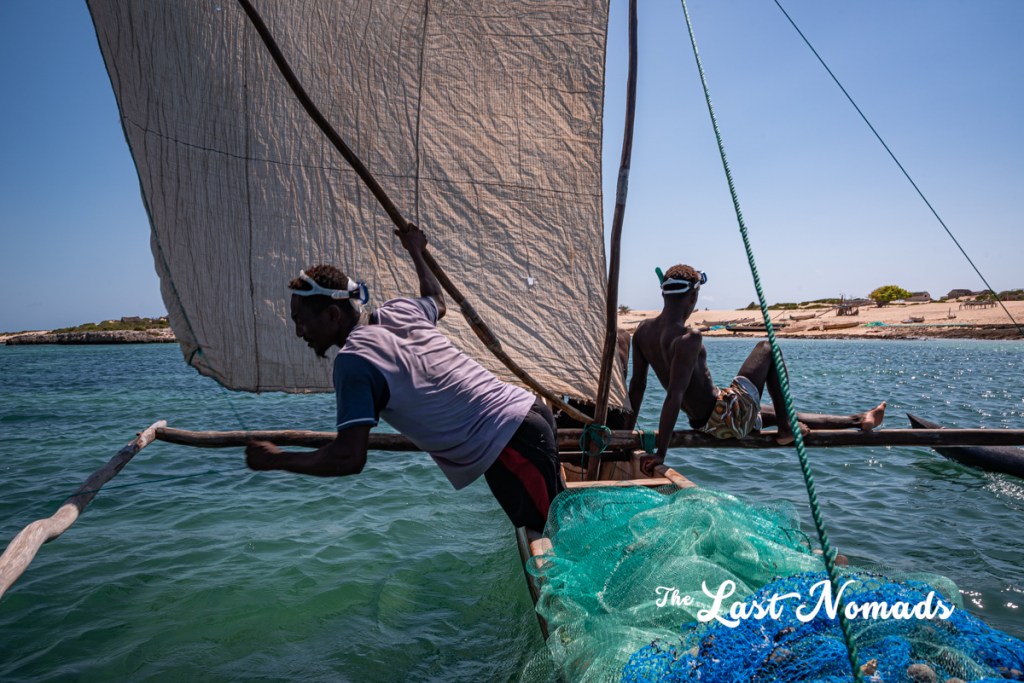
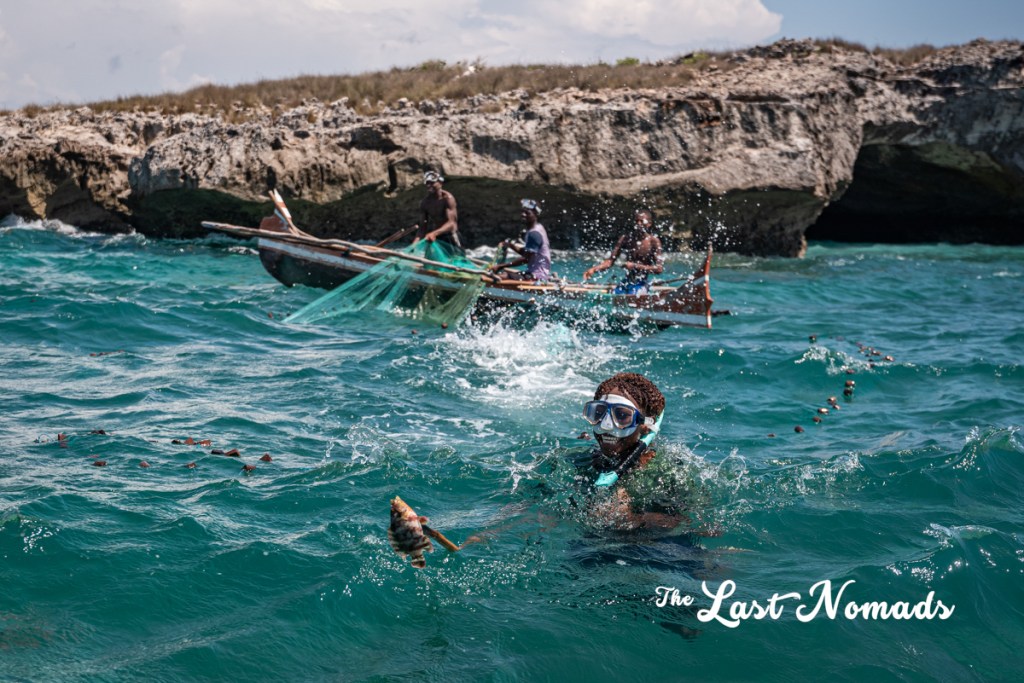
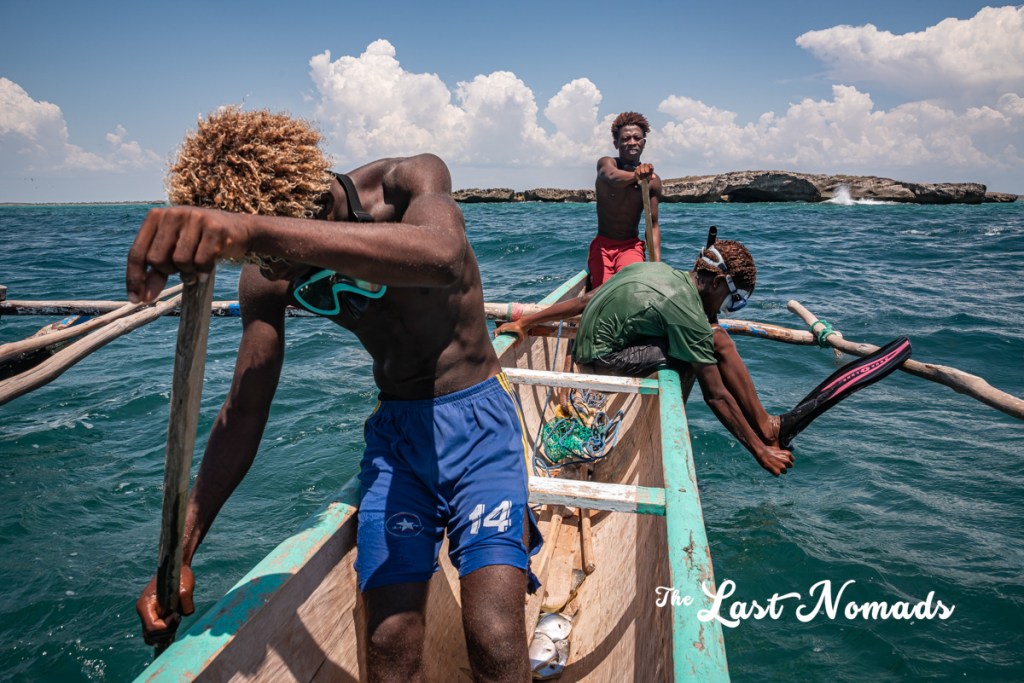
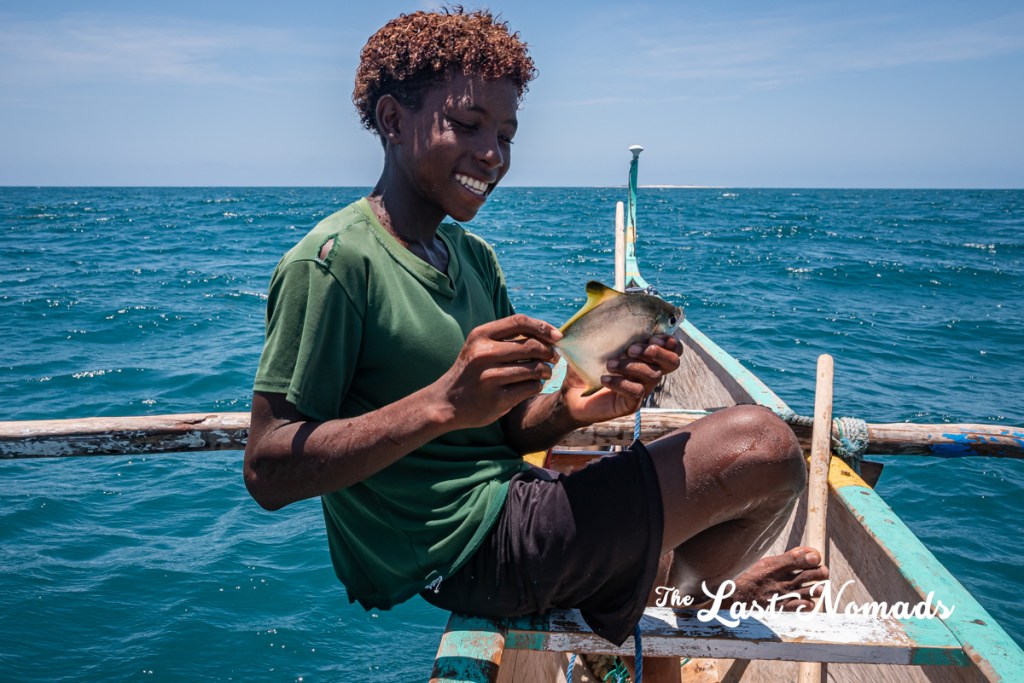
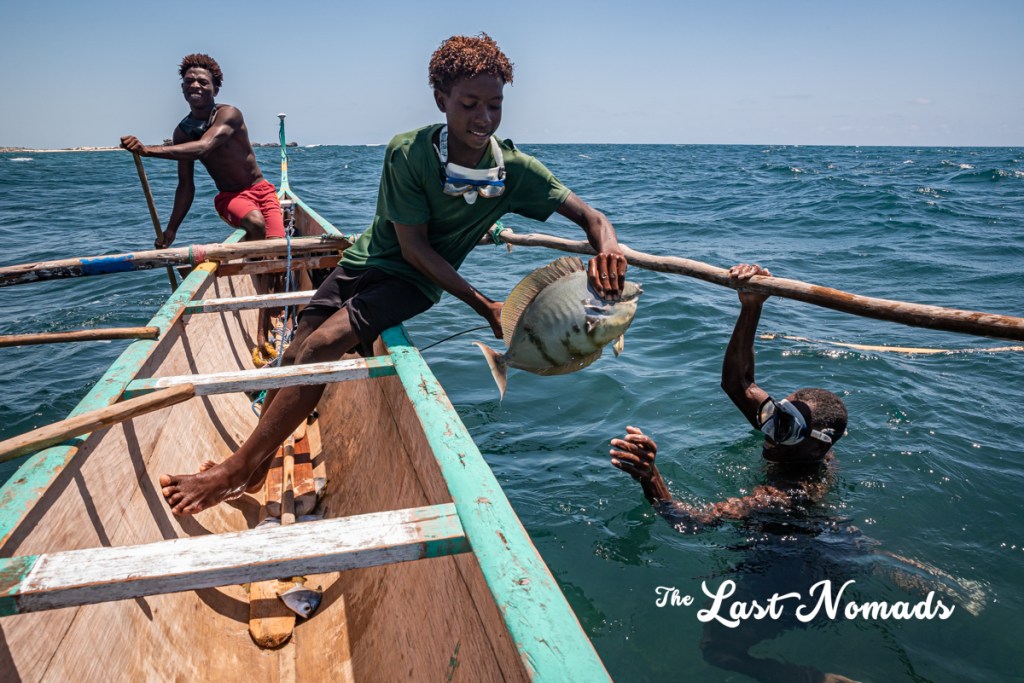
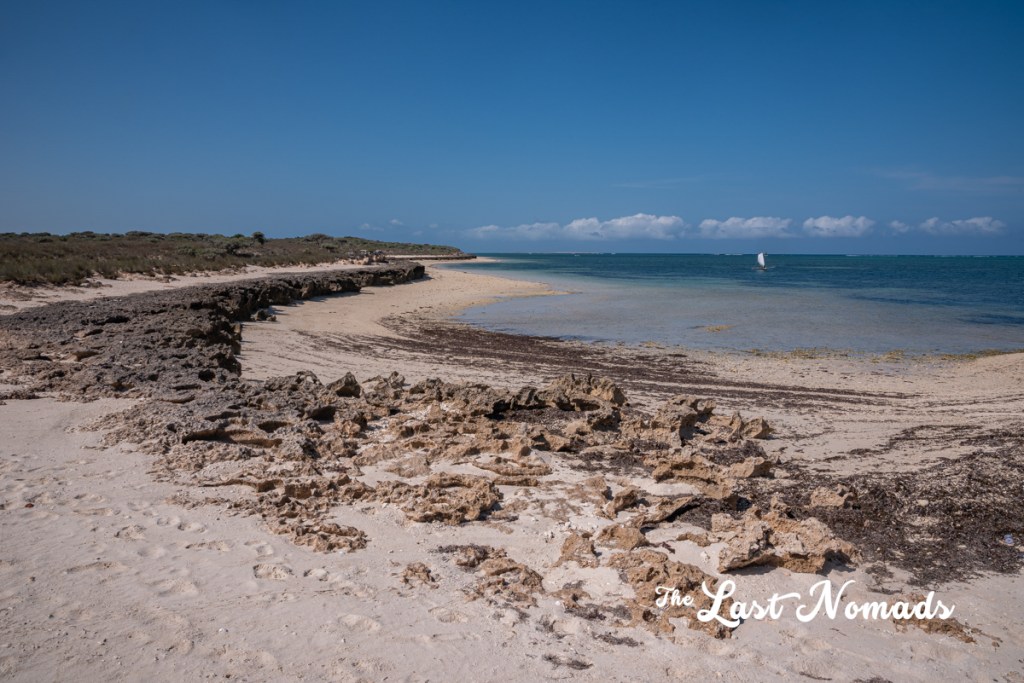

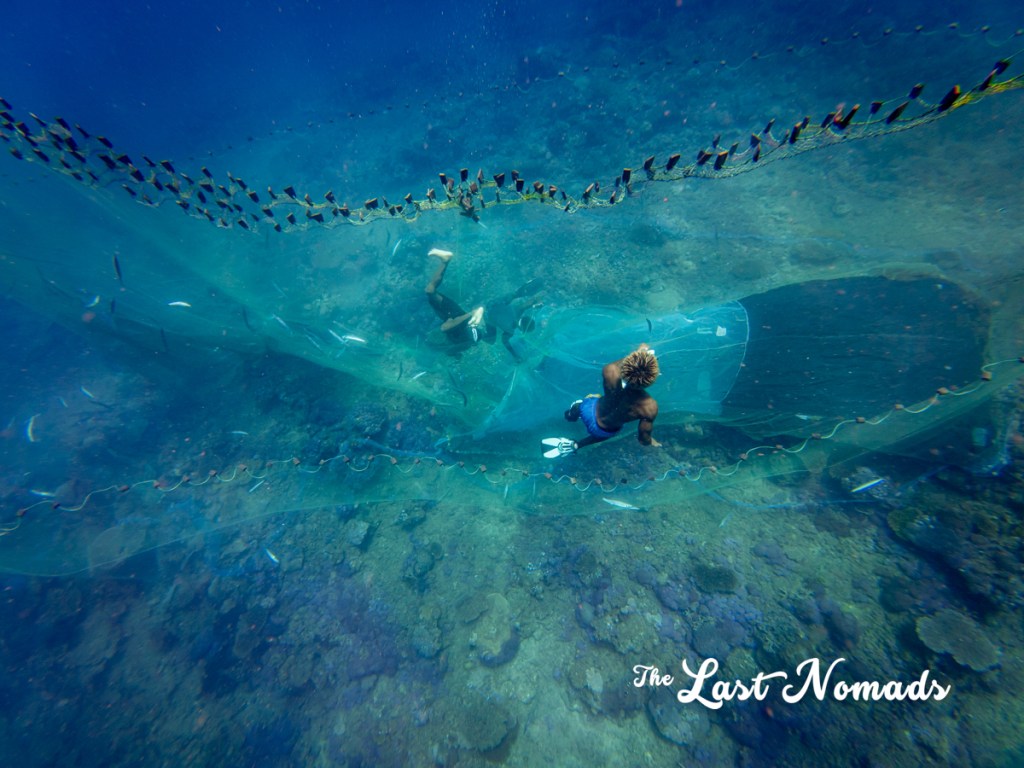



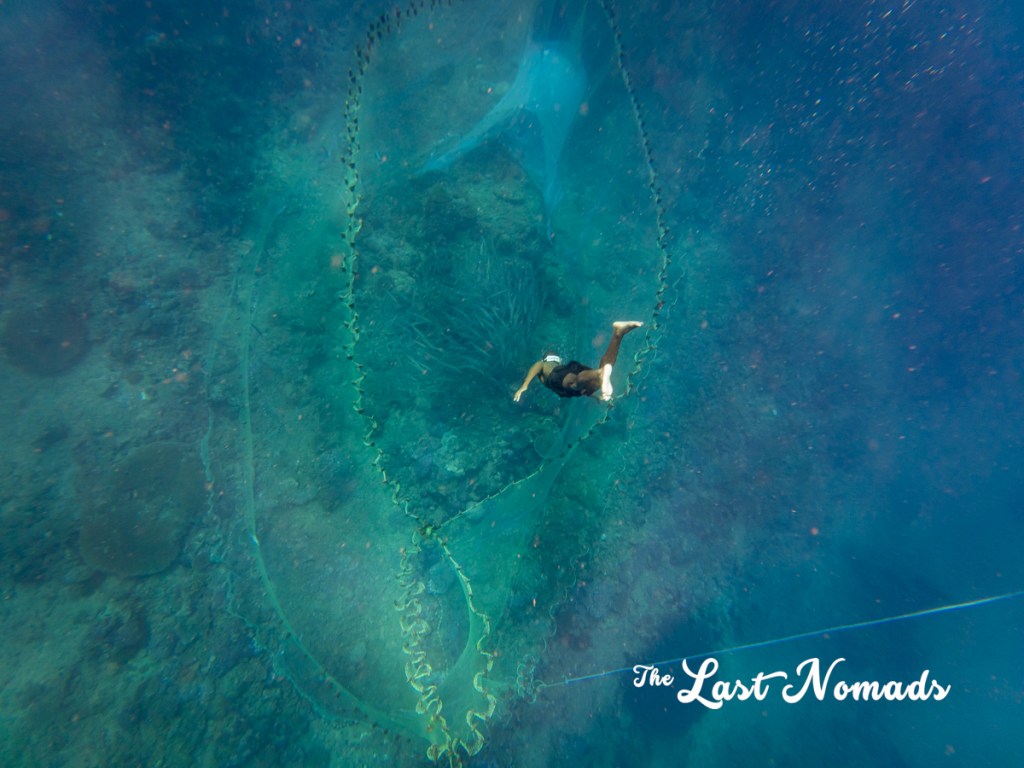


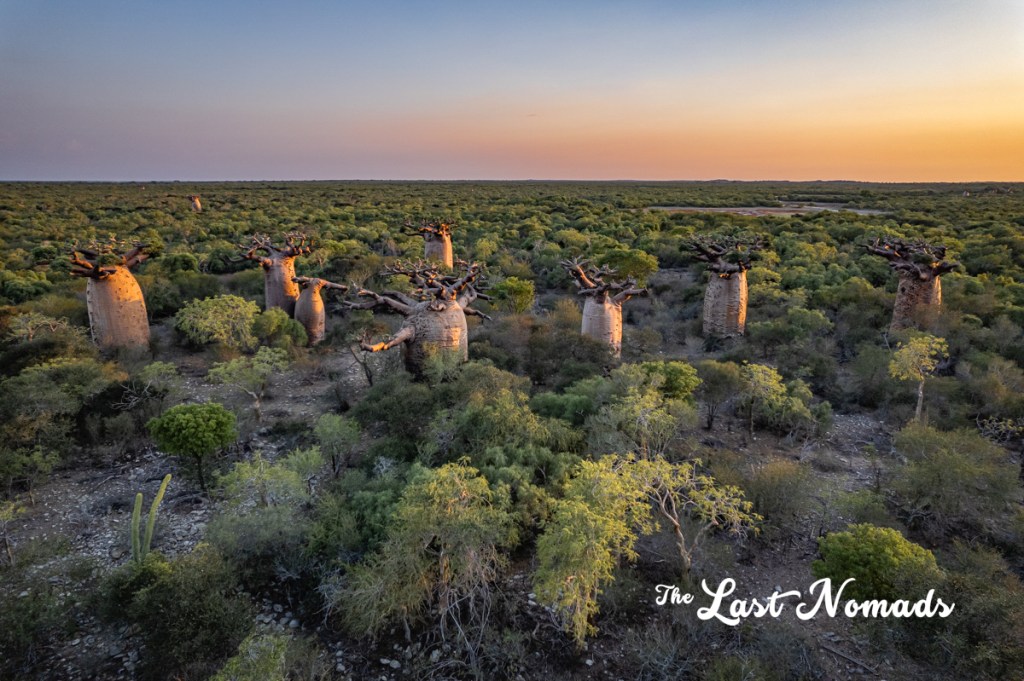

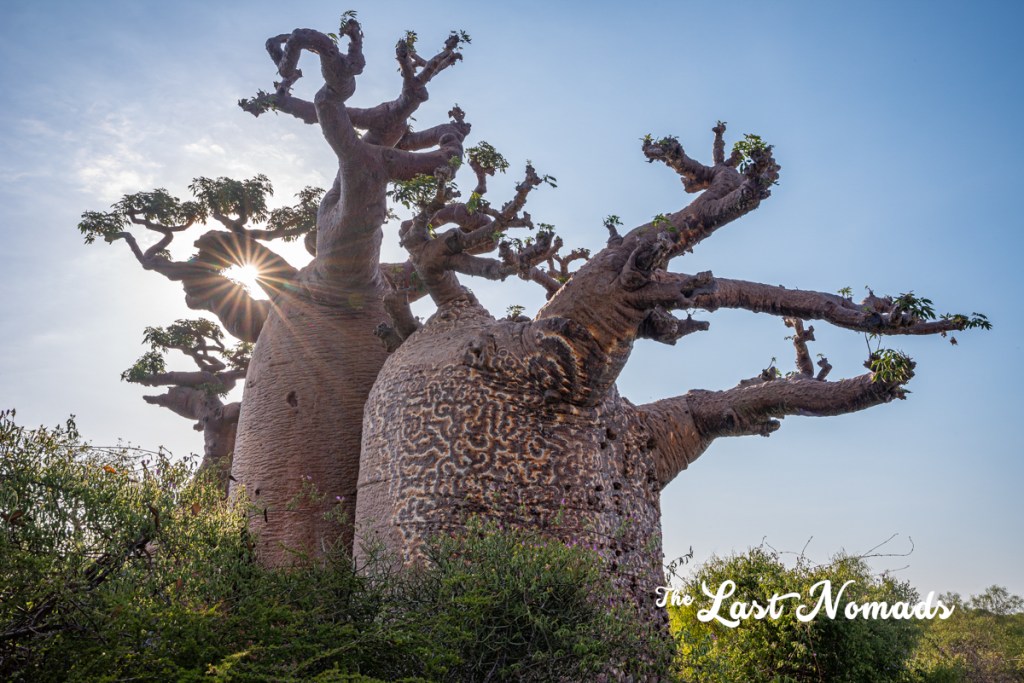
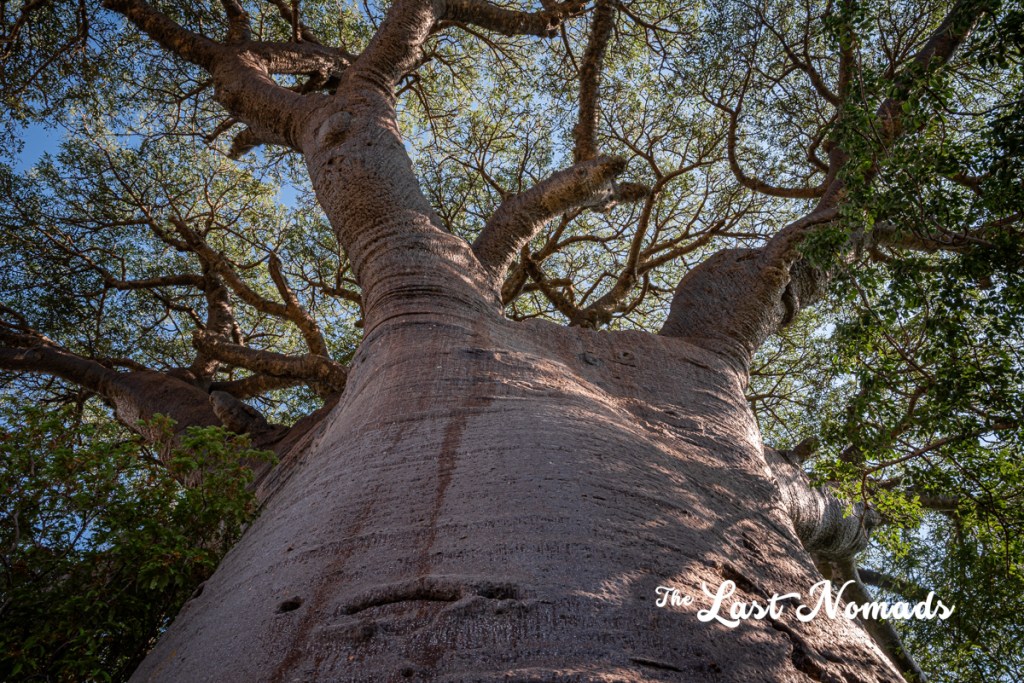

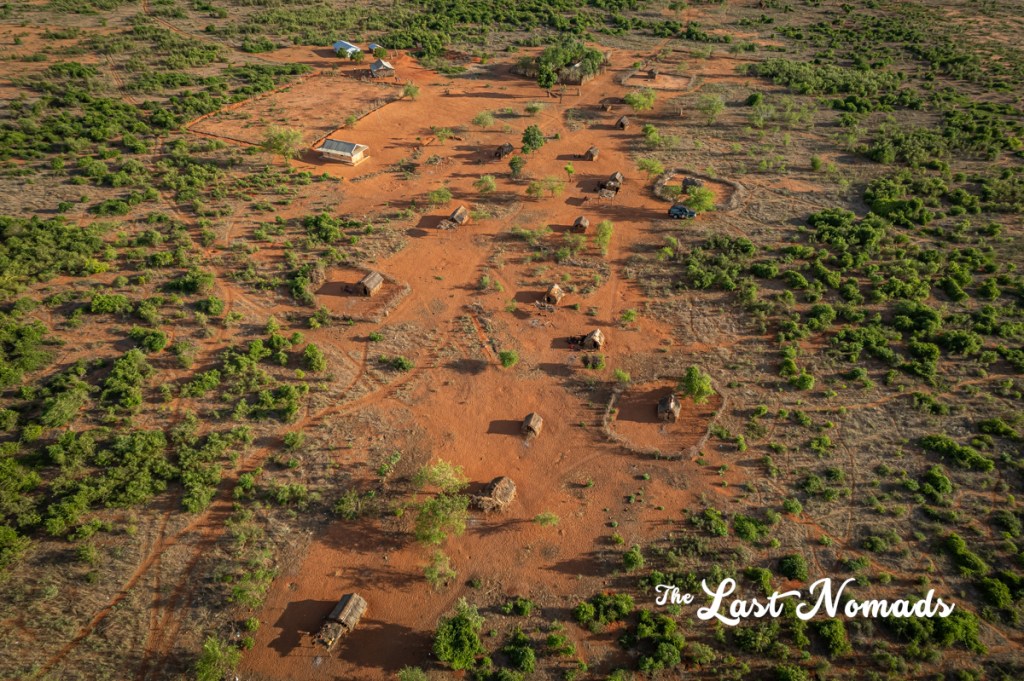
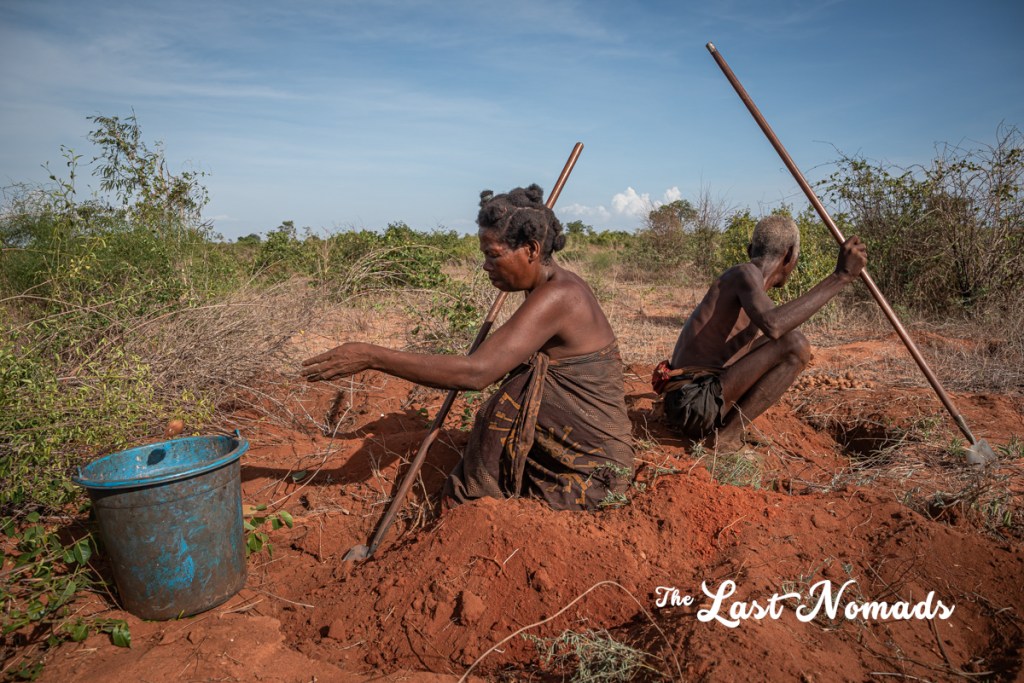

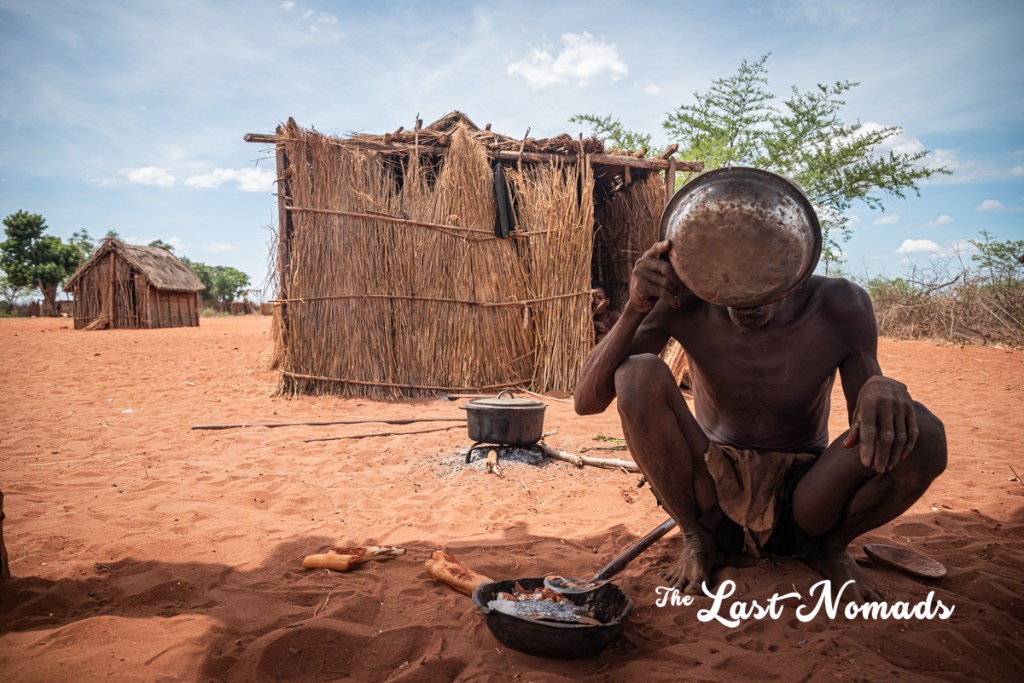
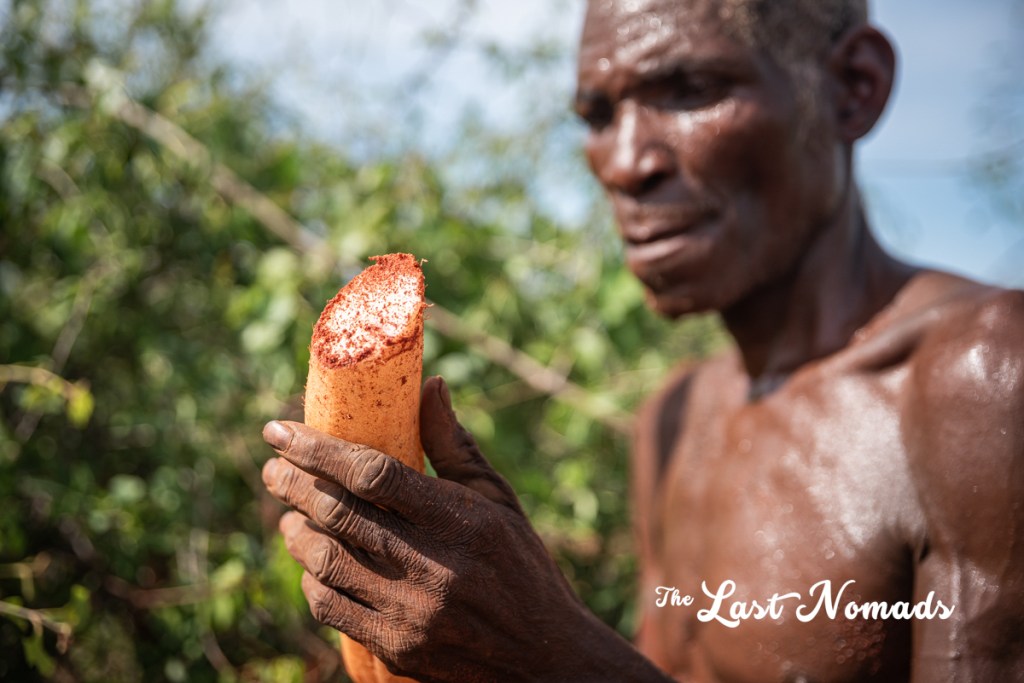

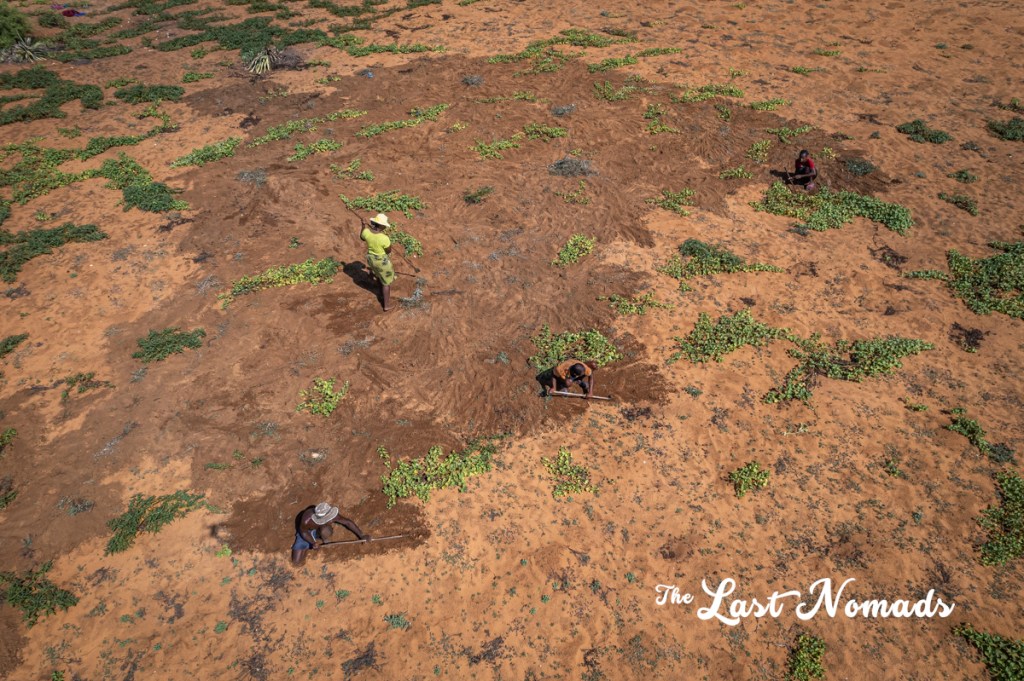

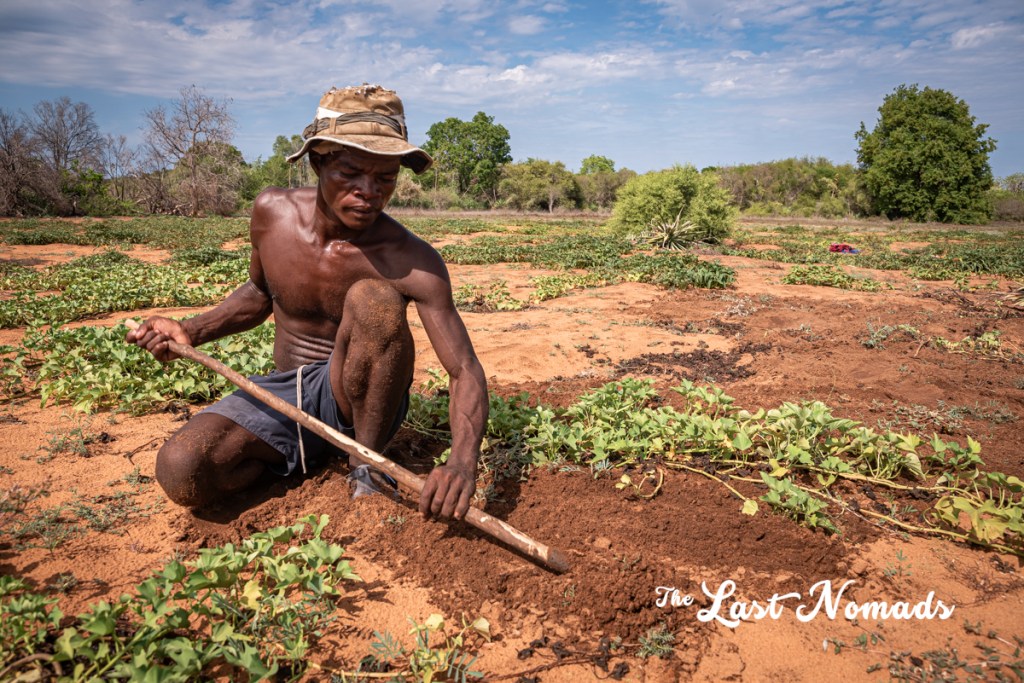
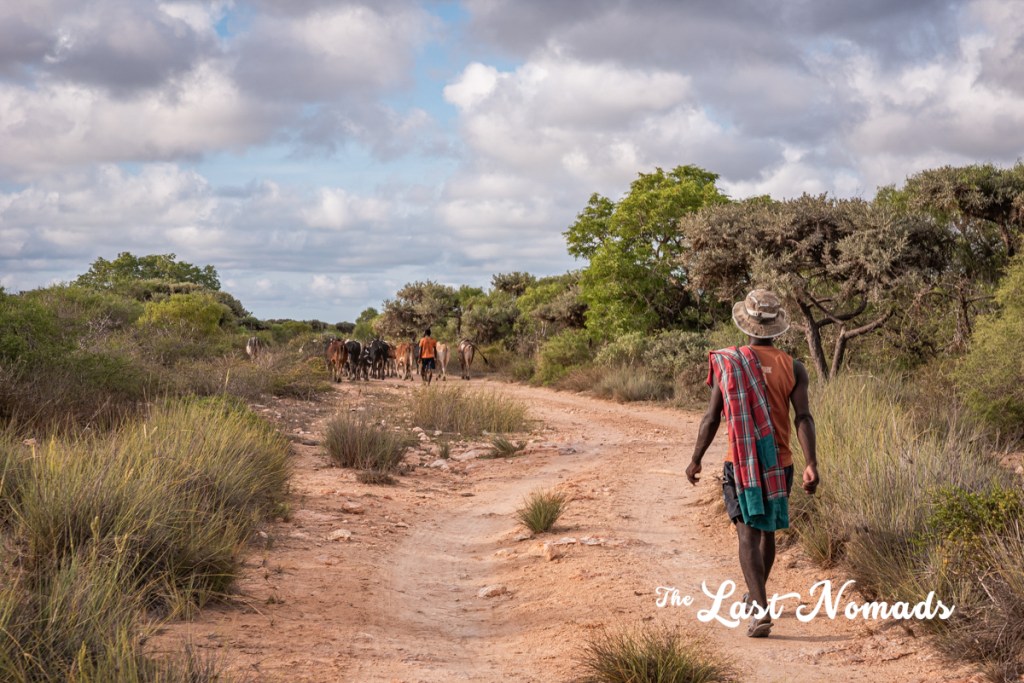

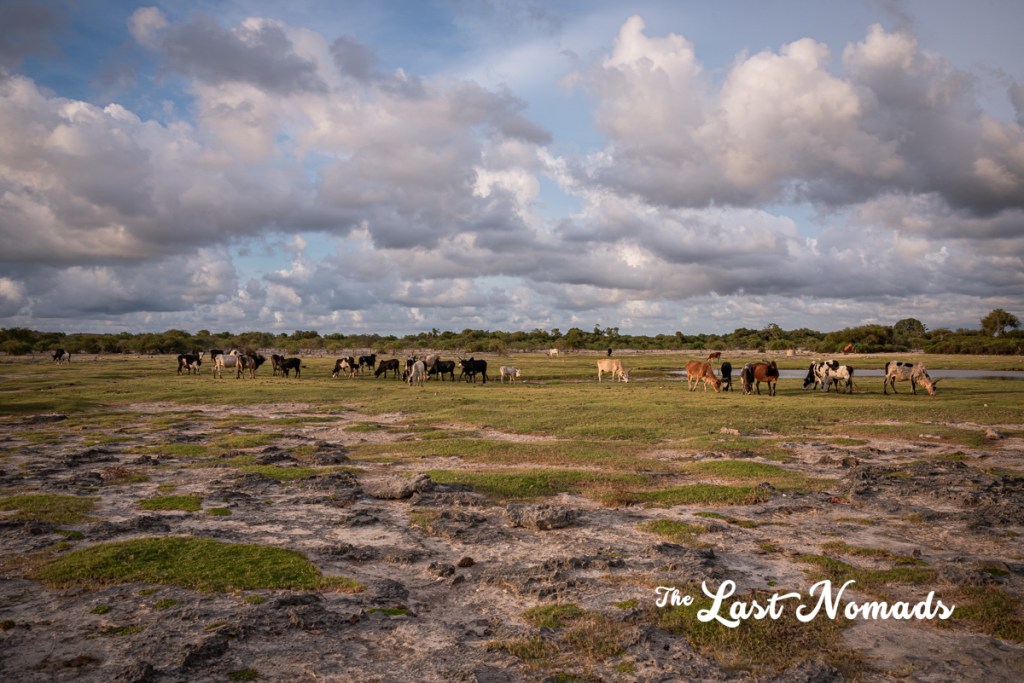
Image Gallery



















Multimedia Story – Available for Commissioning
This in-depth narrative, captured through words, photographs, and videos, delves into the resilience and various challenges of the Sakalava people, providing a vivid portrayal of their lives on the frontlines of environmental and cultural change.
 The Last Nomads