
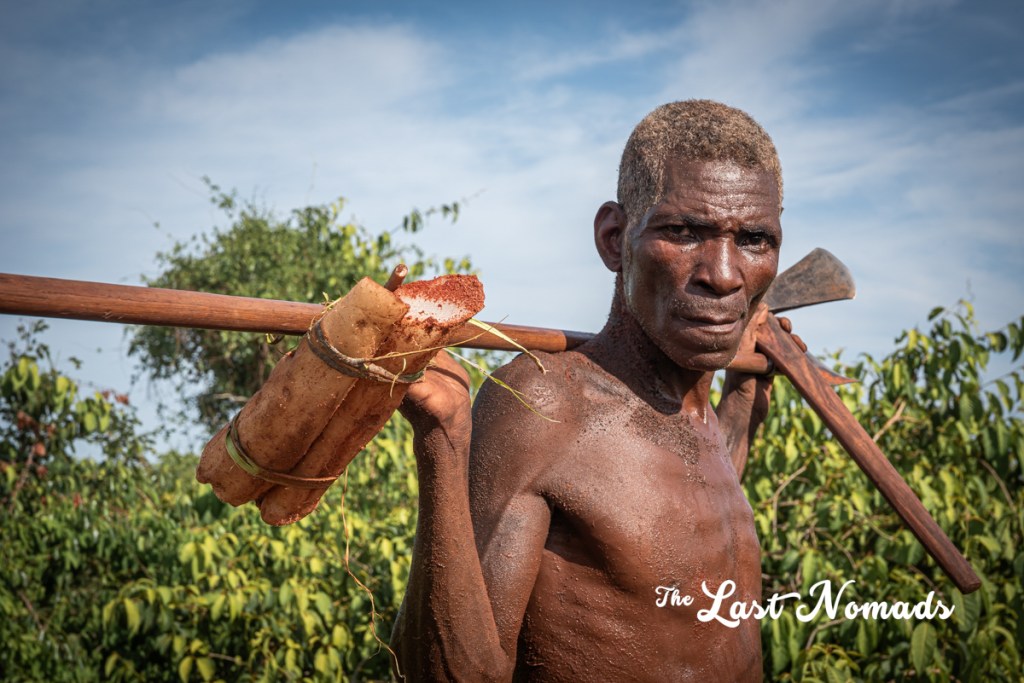
Bedo Village, Southwestern Madagascar (2024)
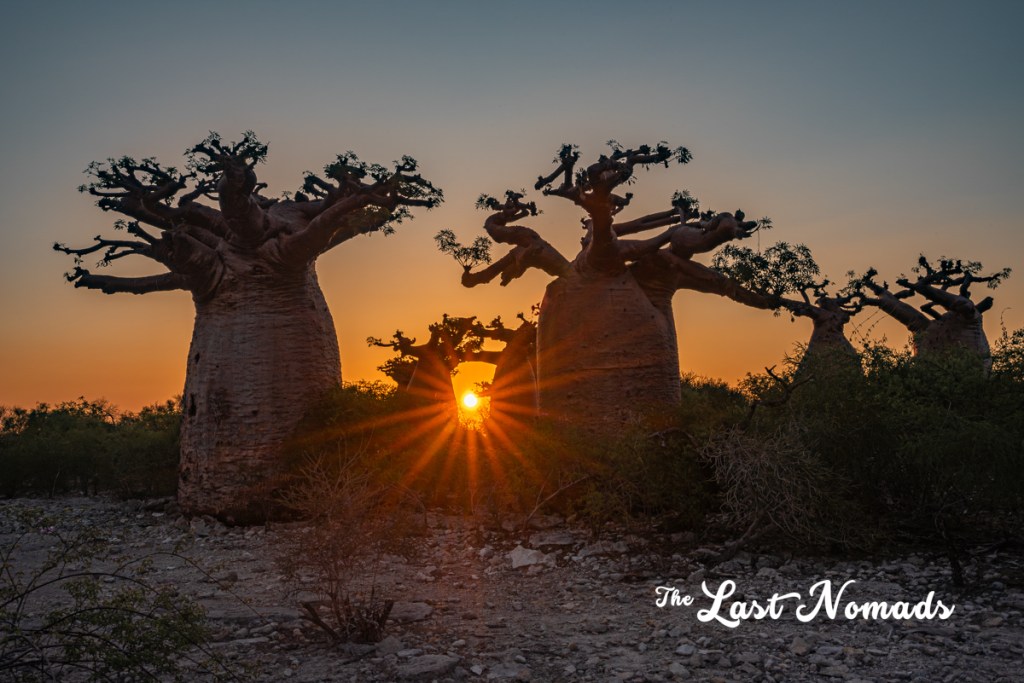
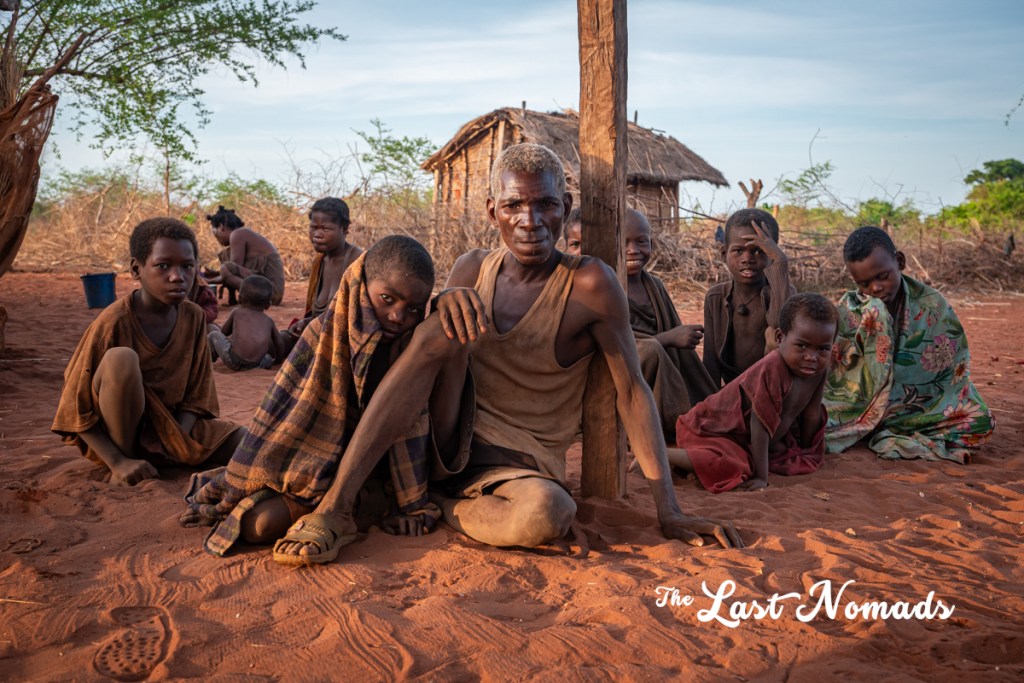
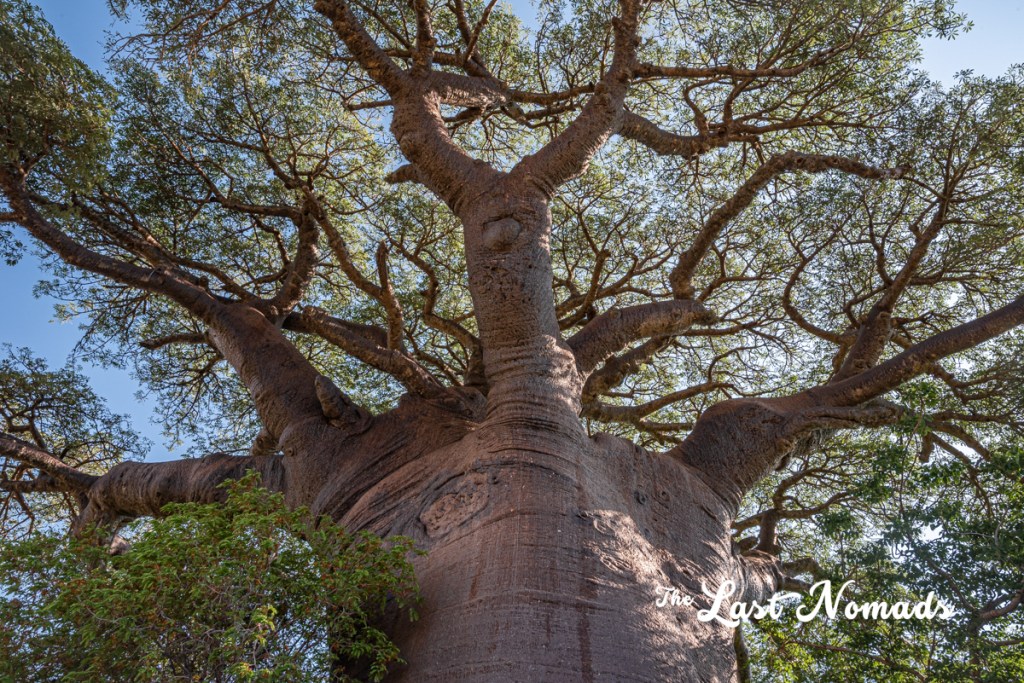
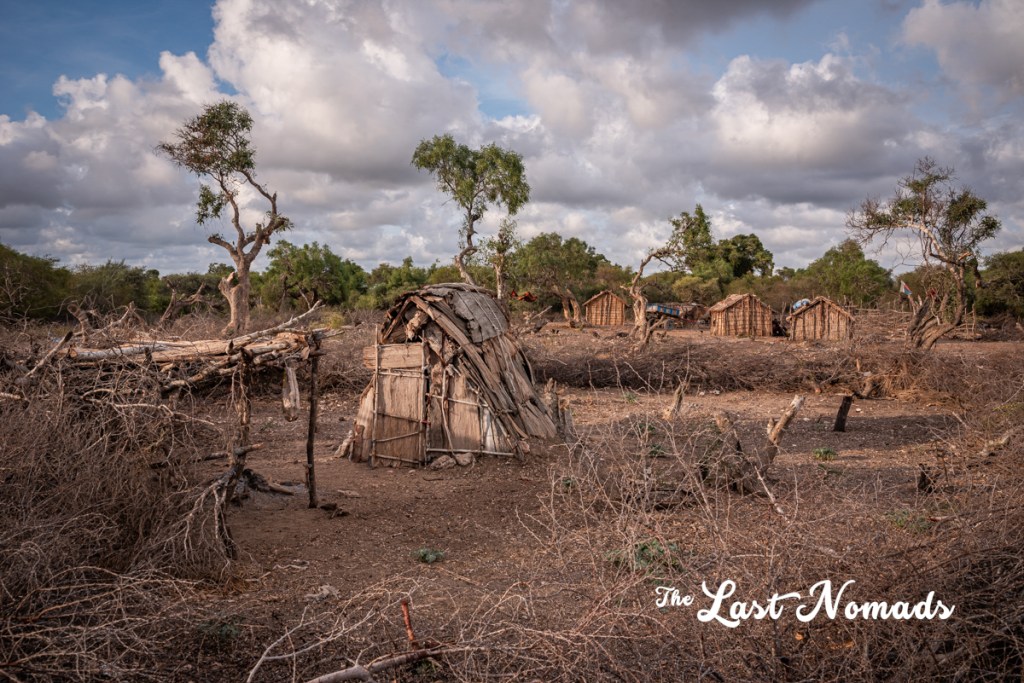
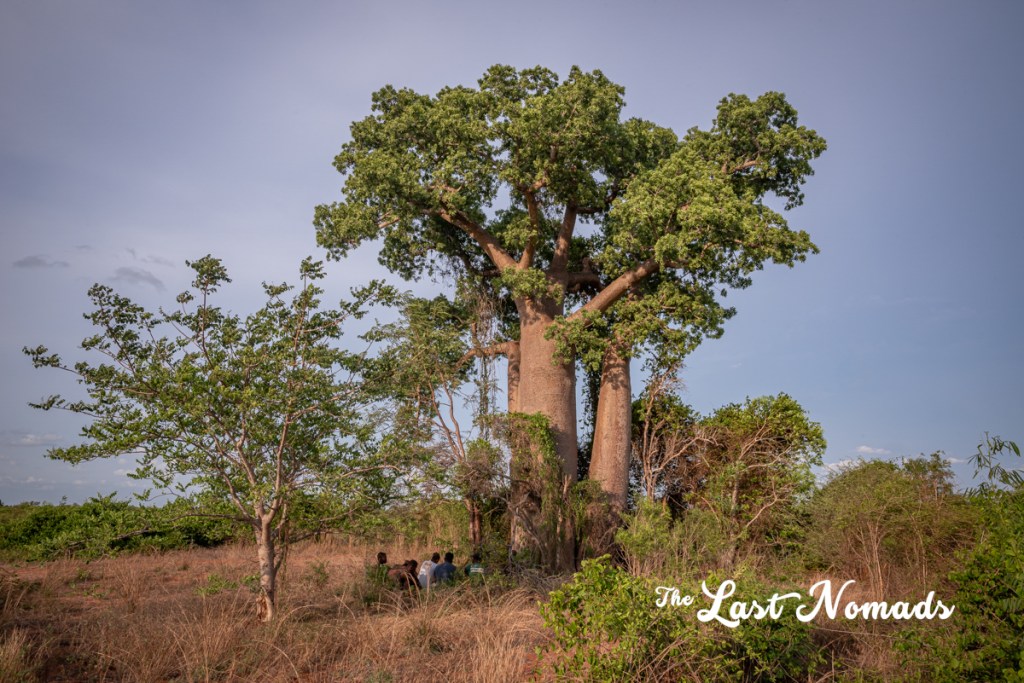
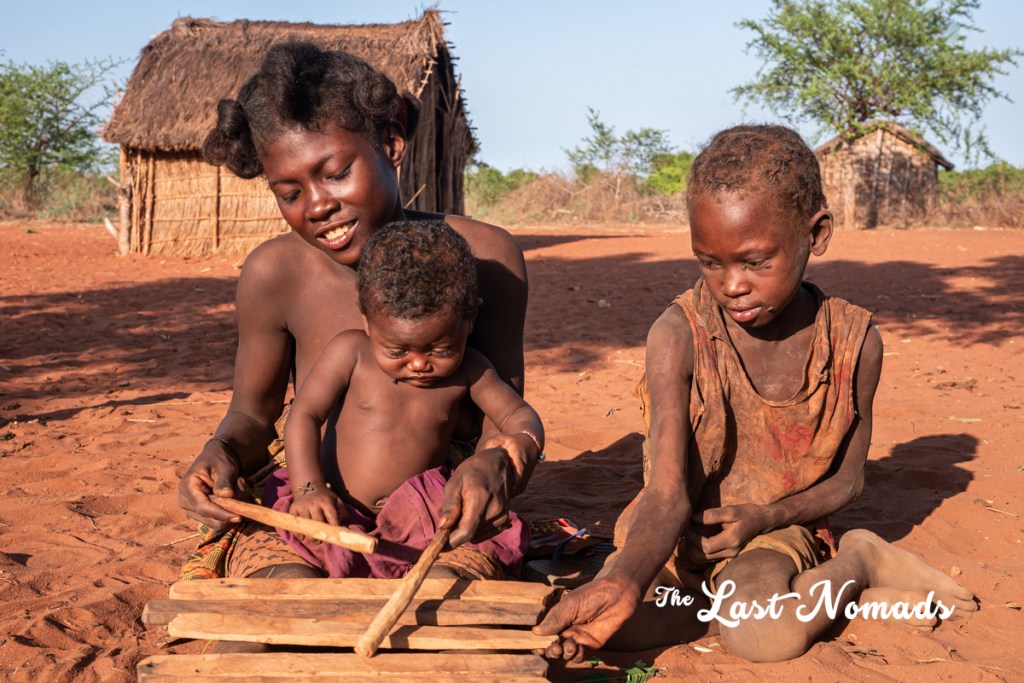
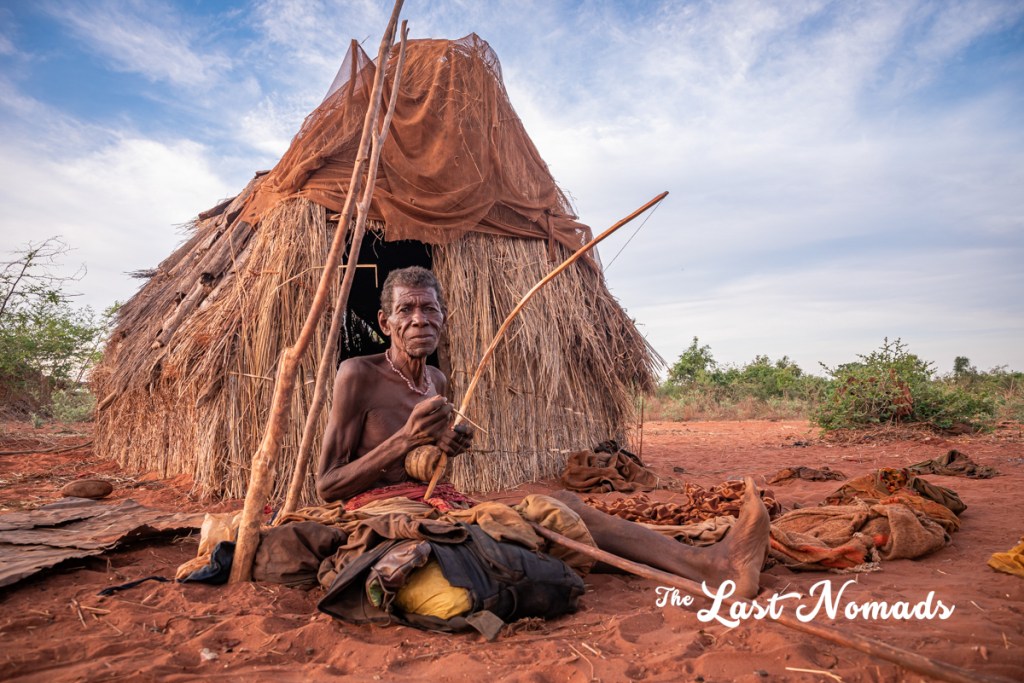
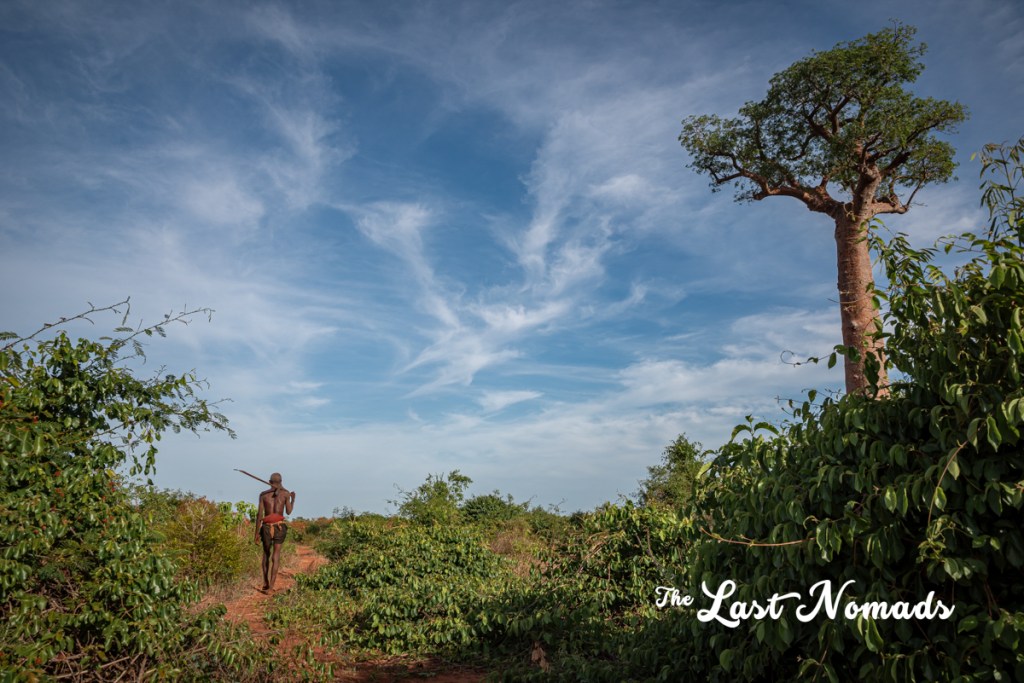
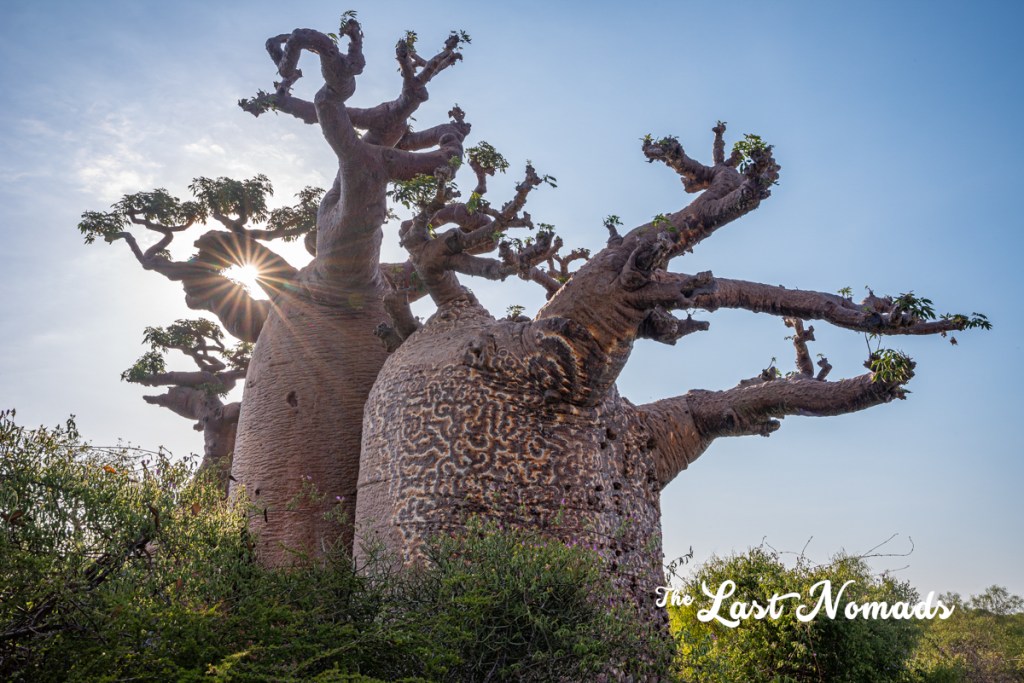
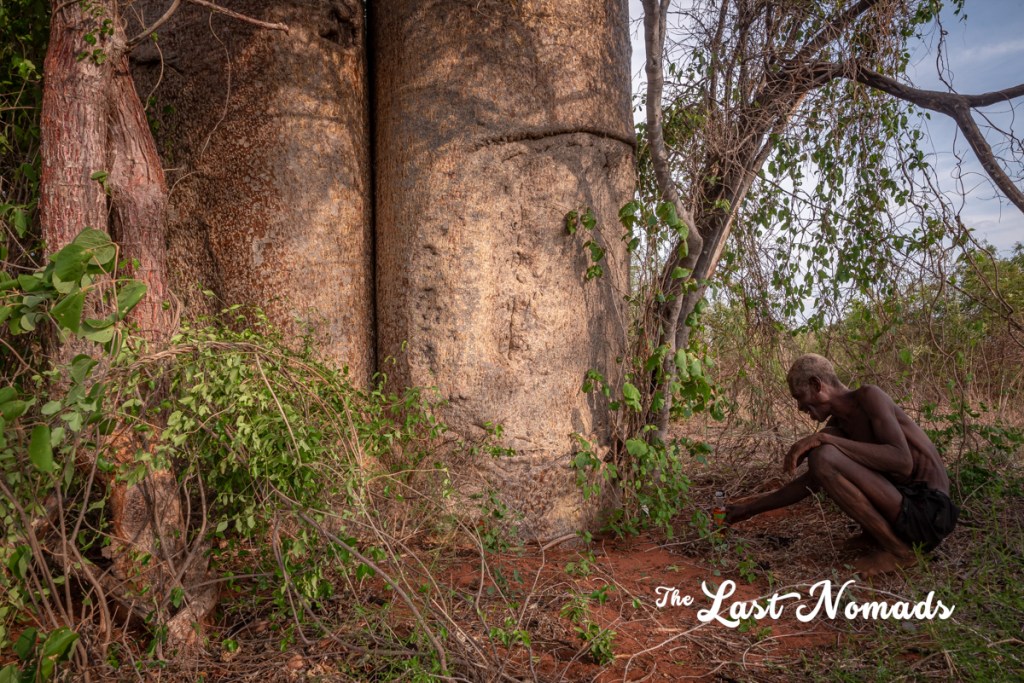
In the dry southwest of Madagascar, where baobabs stand tall against the horizon, the Mikea people—a semi-nomadic group—have lived in deep harmony with their forest home for generations. Known for their resourcefulness as hunter-gatherers, they once roamed freely through the Mikea Forest, which provided not only sustenance but also spiritual and cultural grounding. Today, this way of life is at risk, as the Mikea find themselves pushed to the fringes of their ancestral territory, struggling to adapt in a world that no longer accommodates their nomadic traditions.
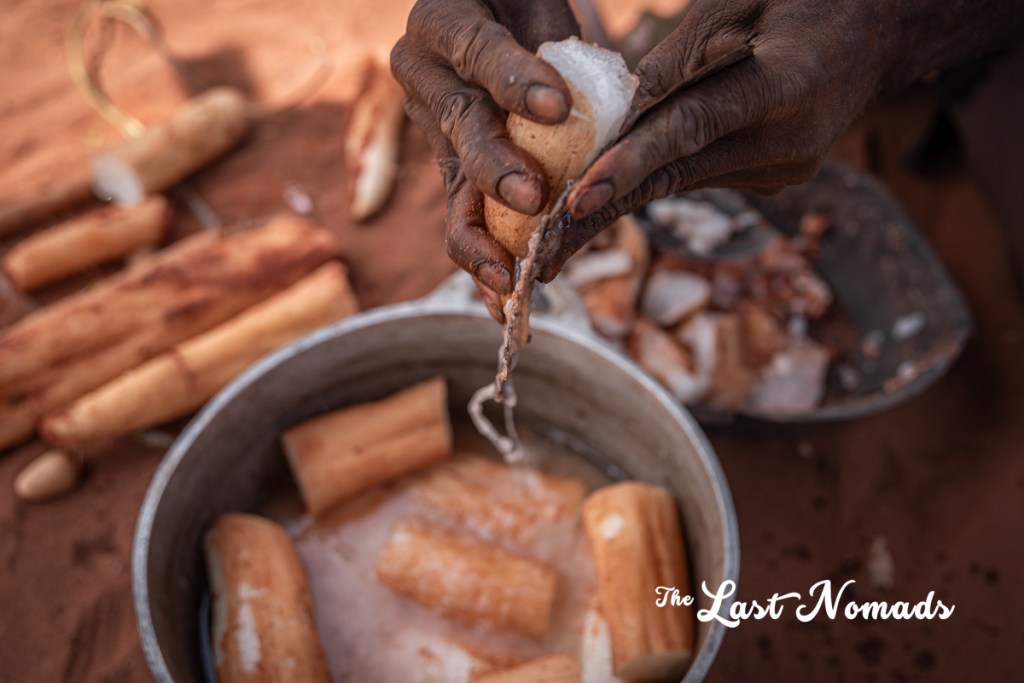
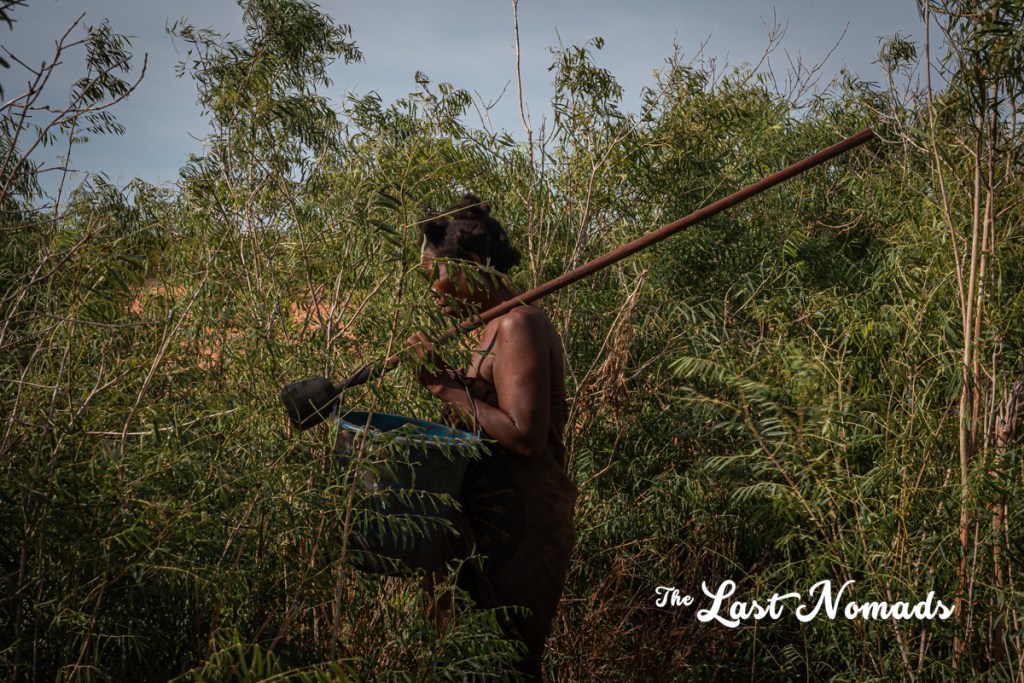
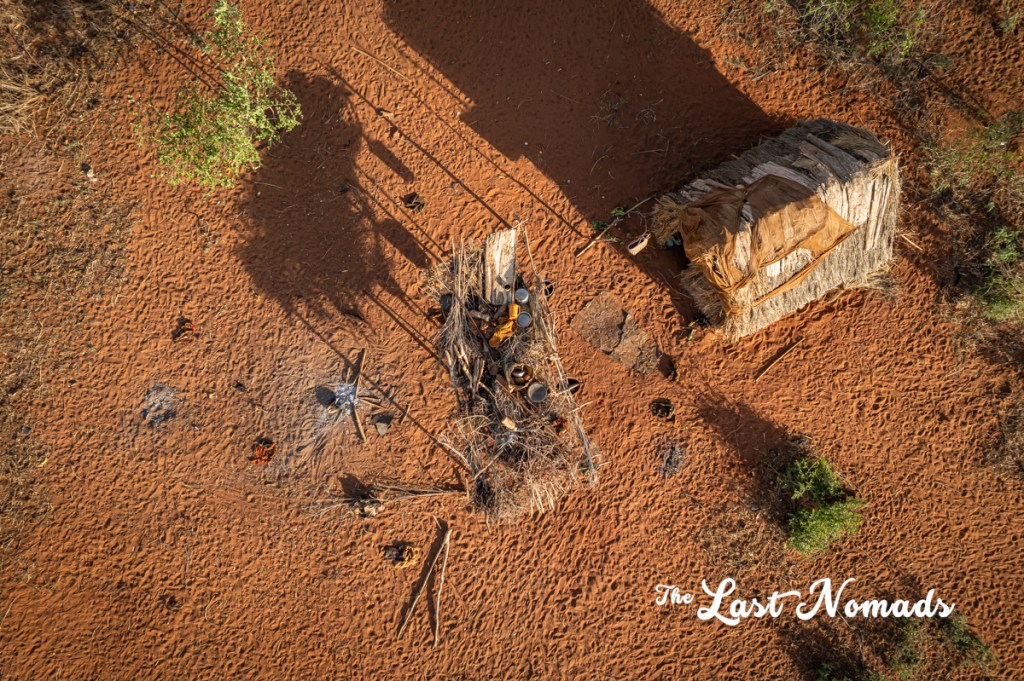
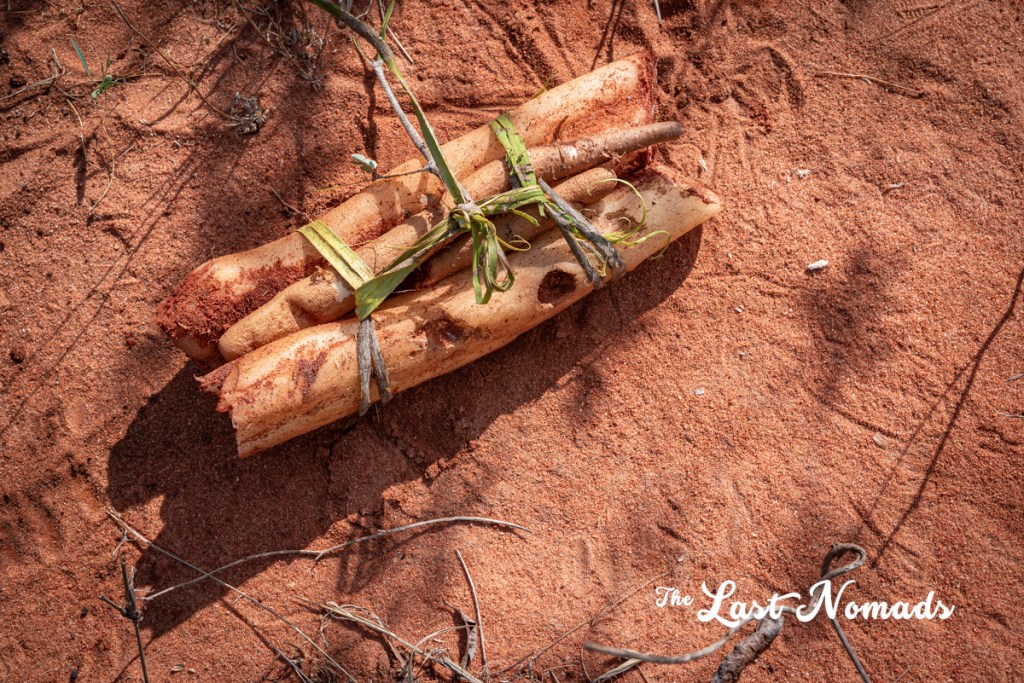
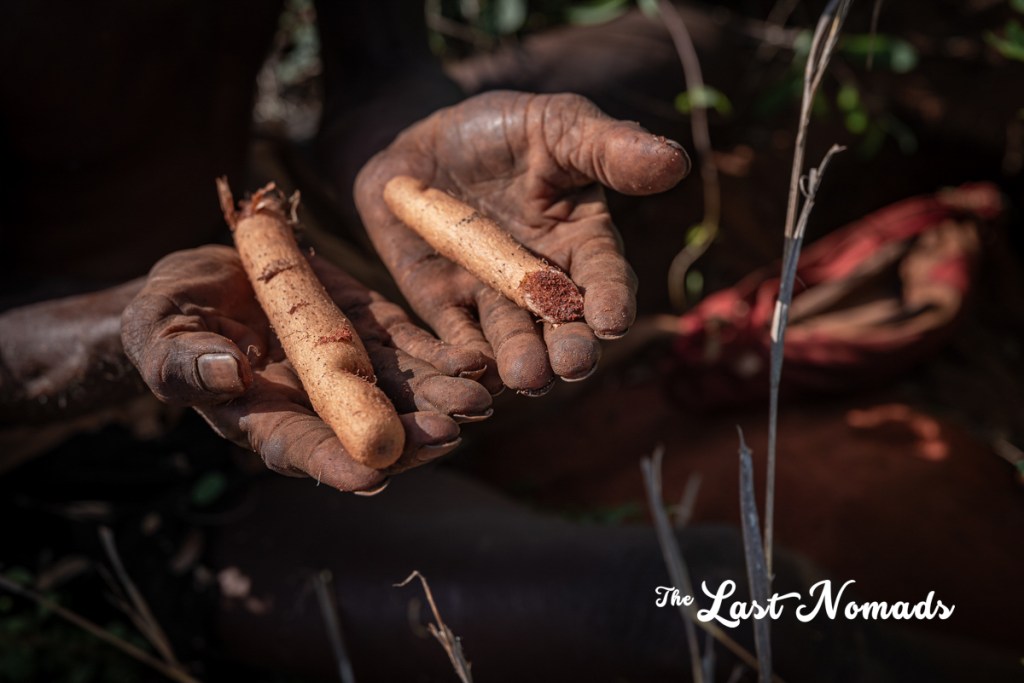
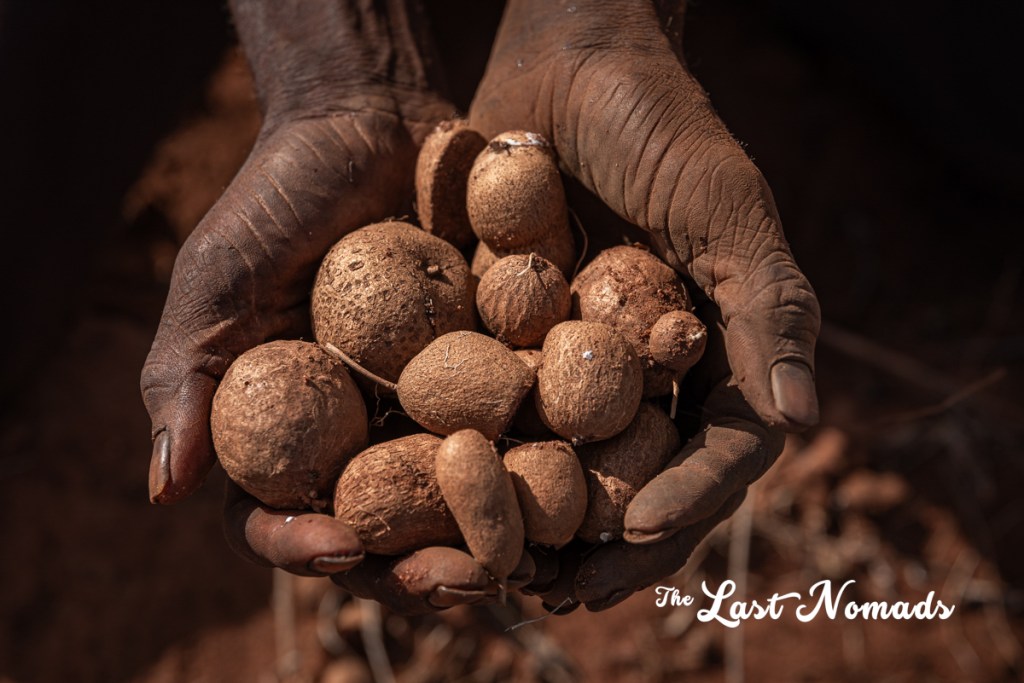
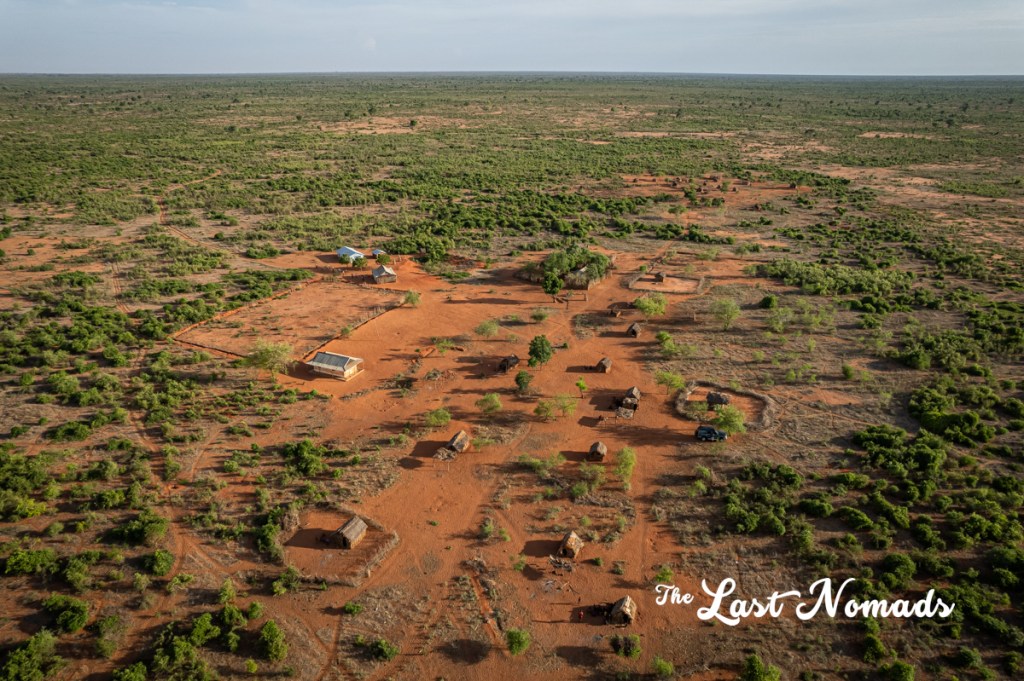
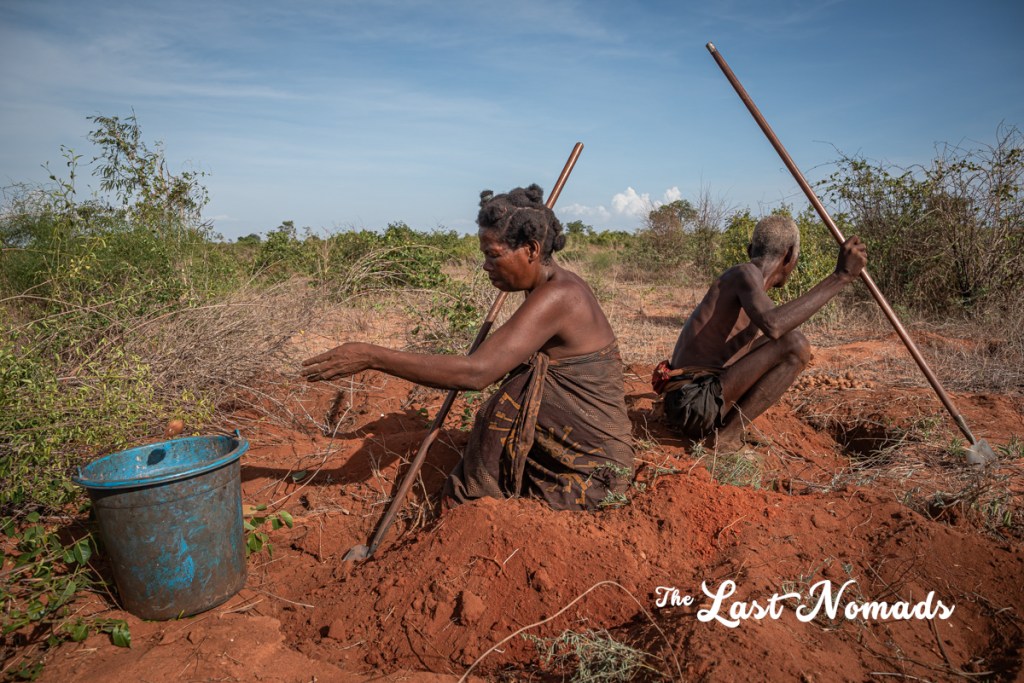
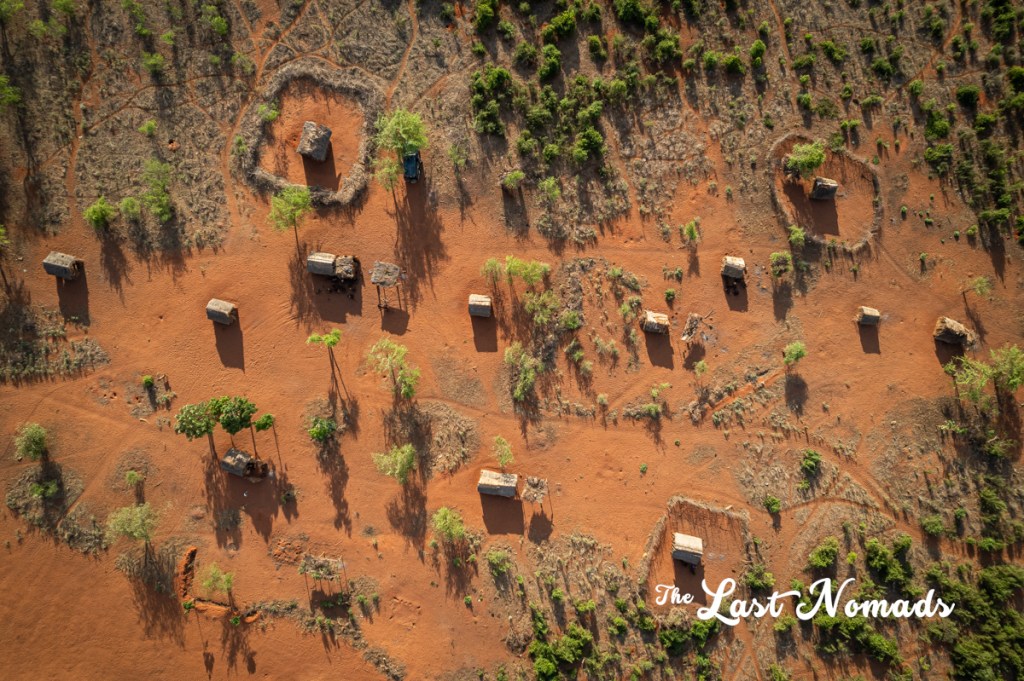
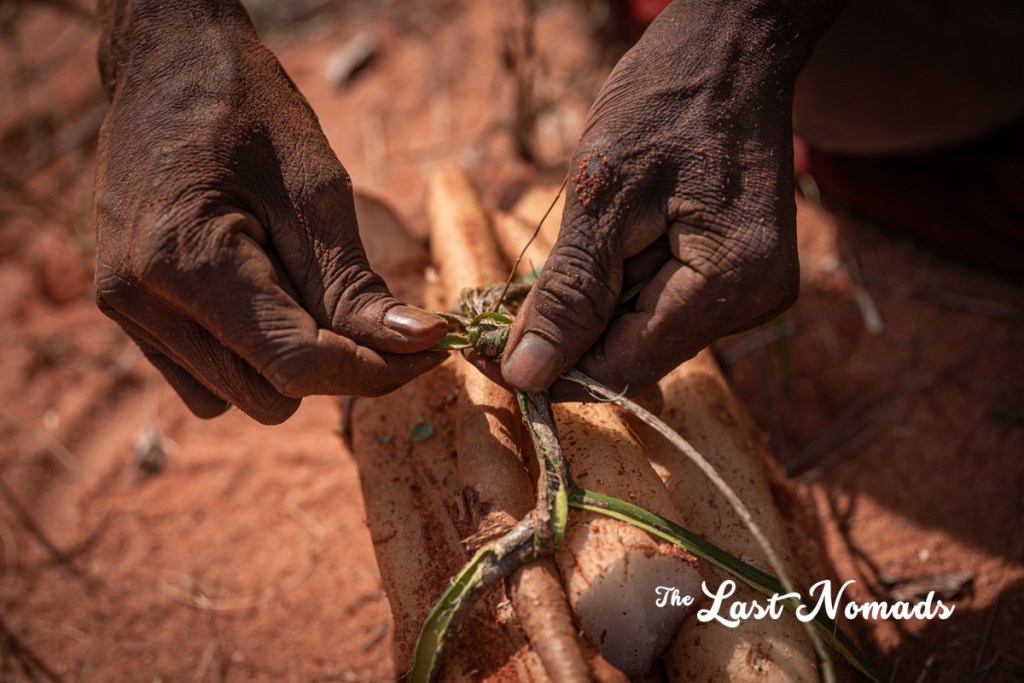
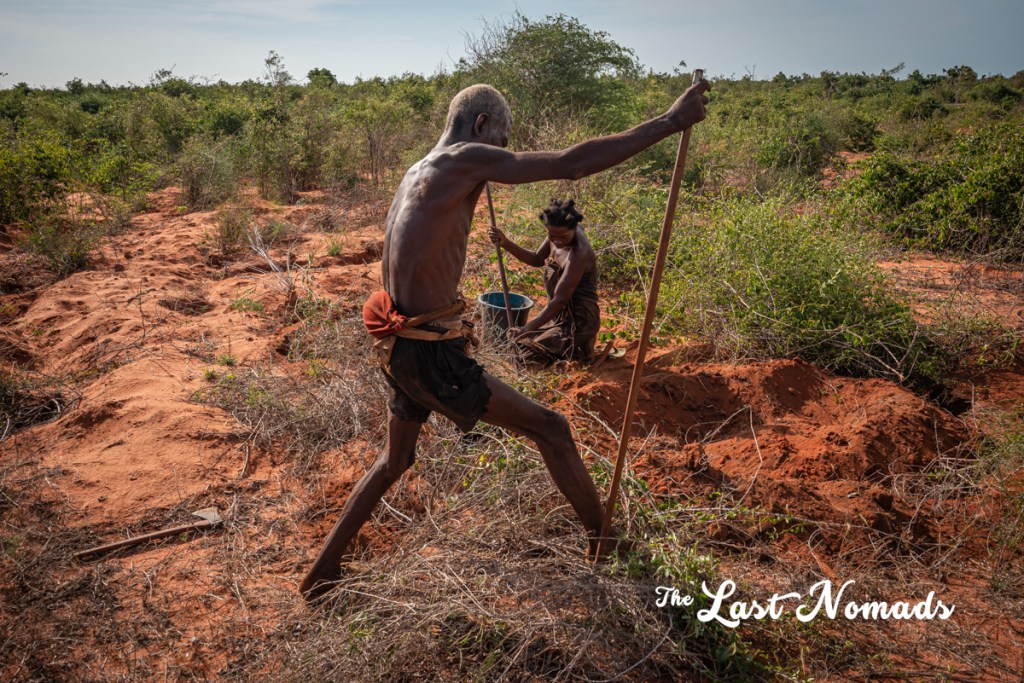
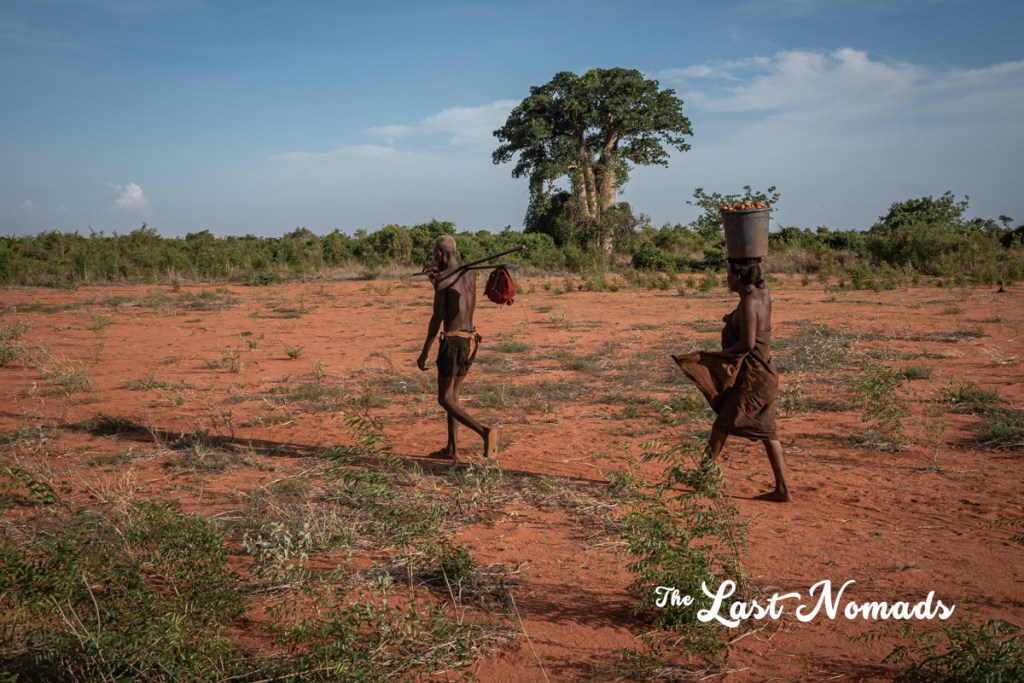
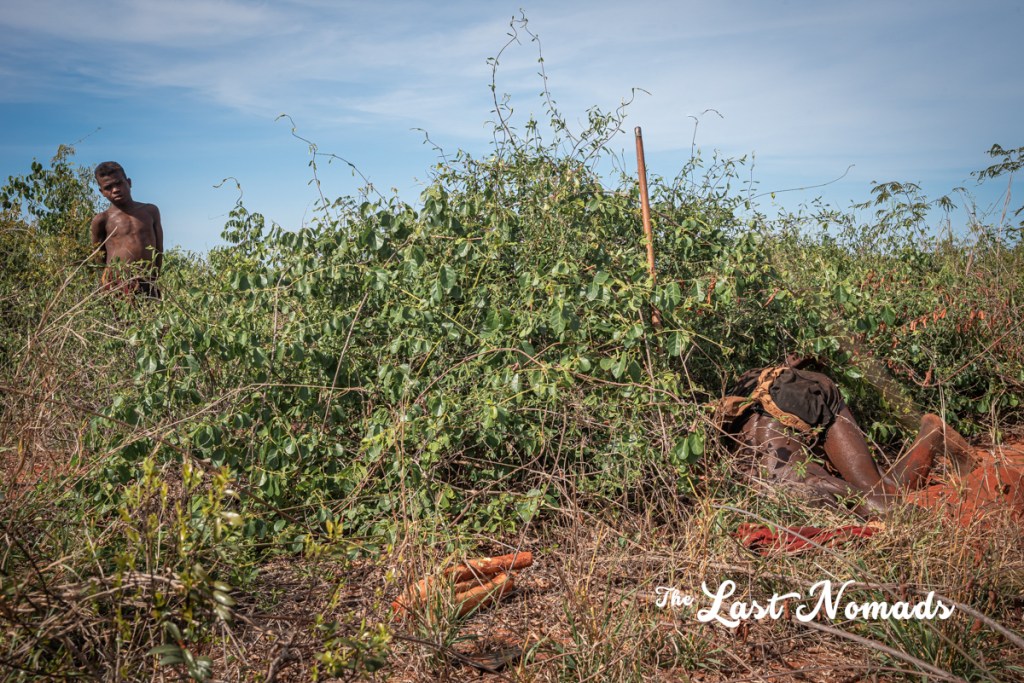
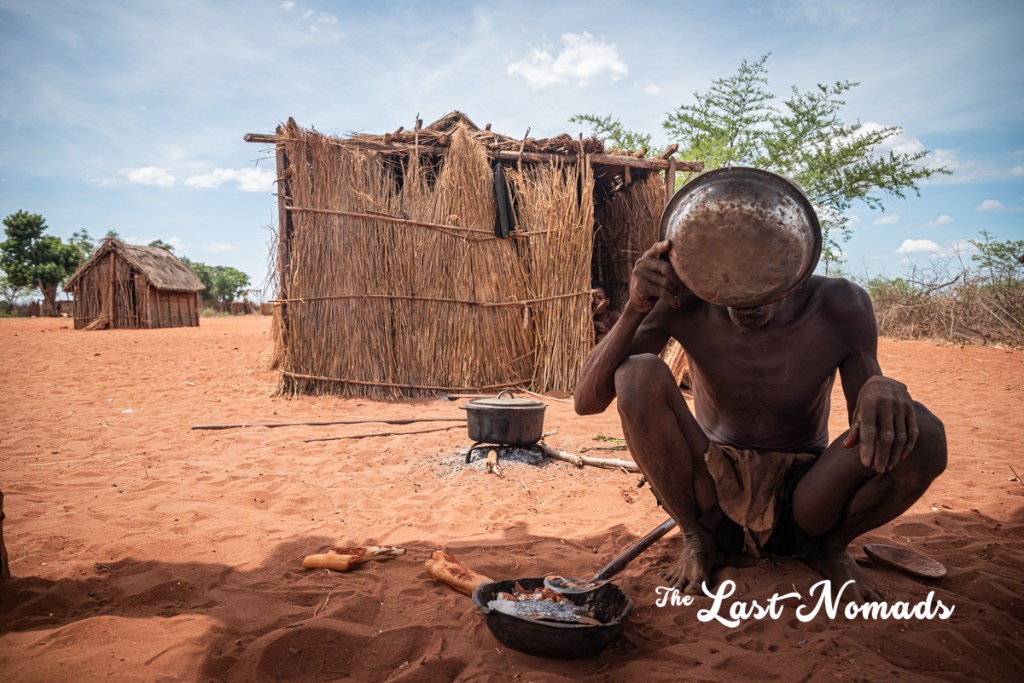
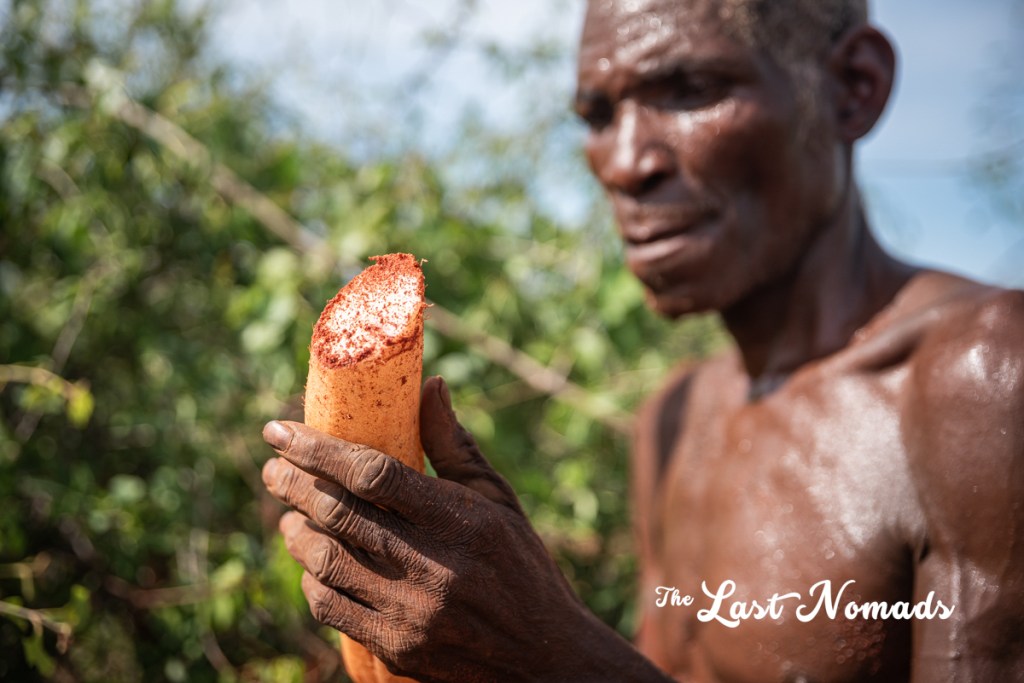
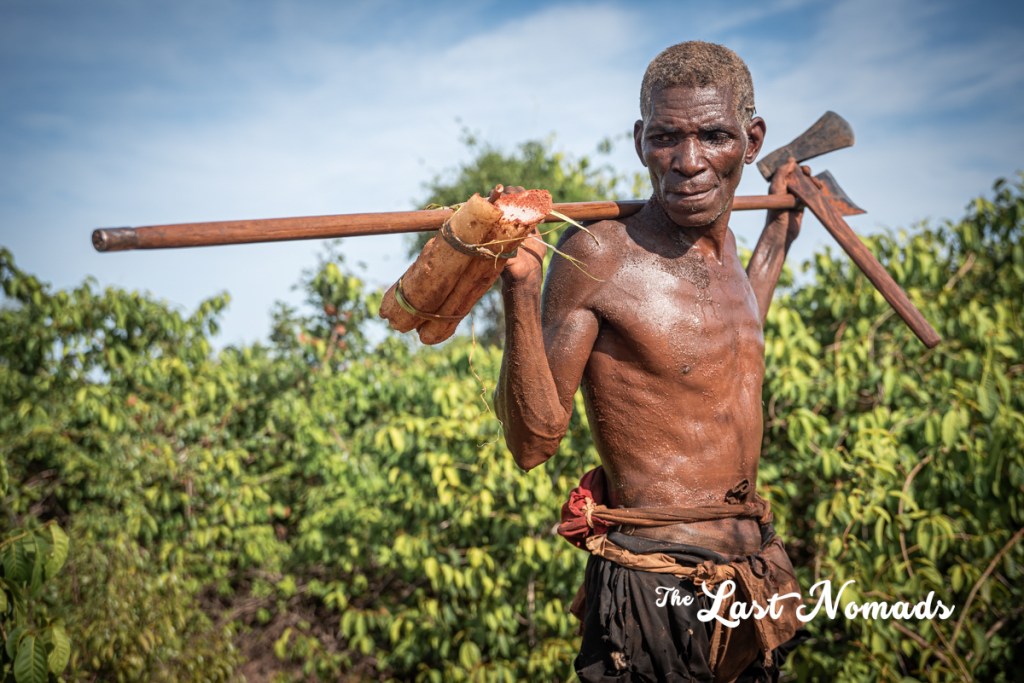
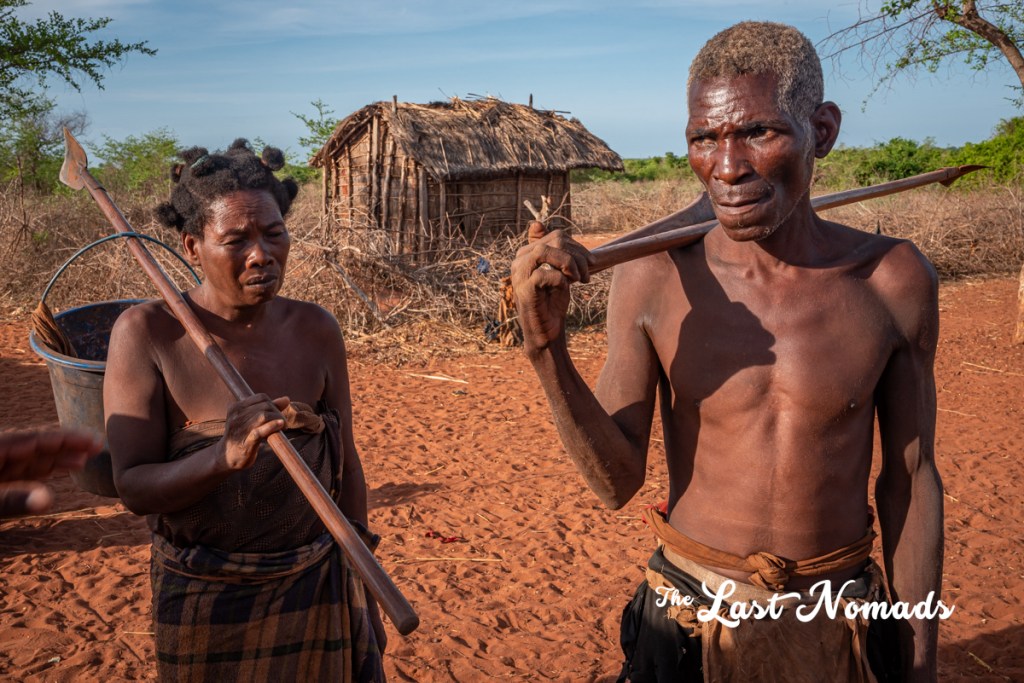
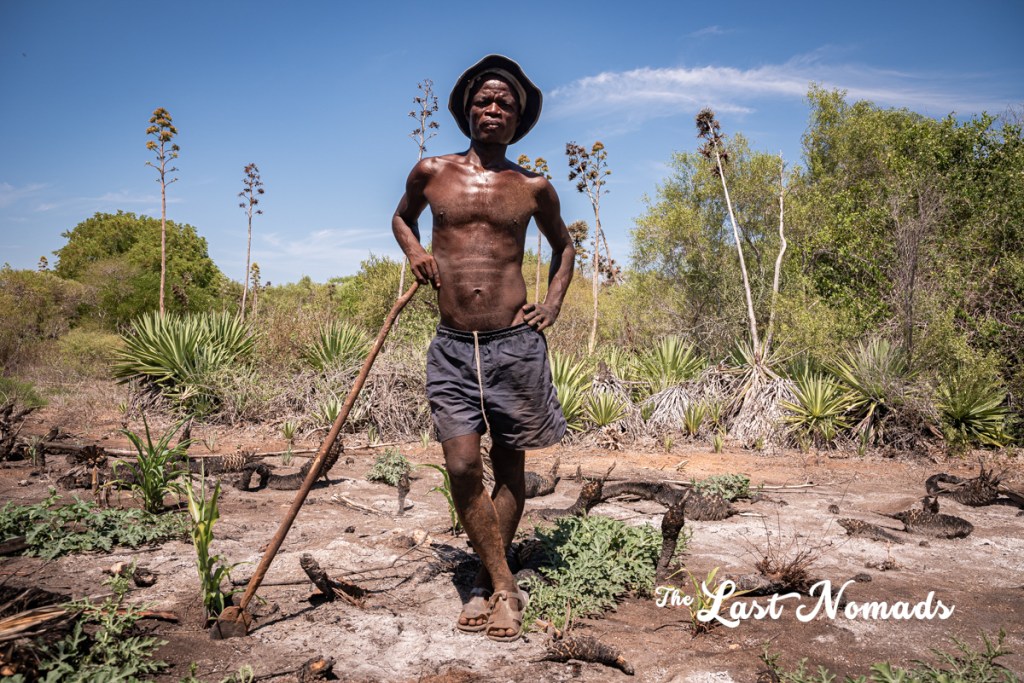
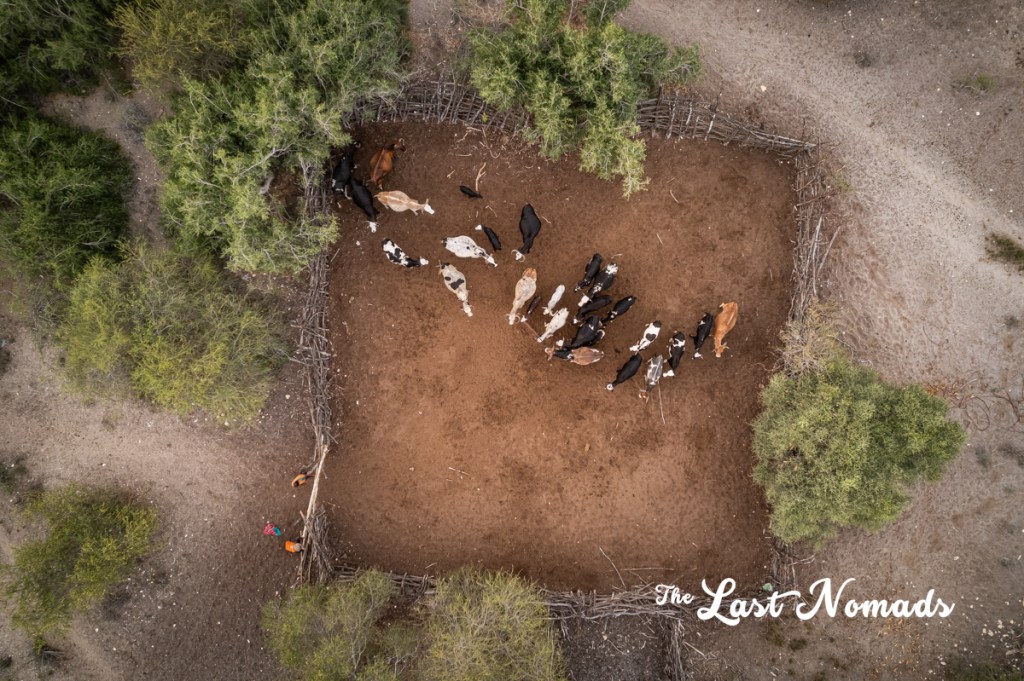
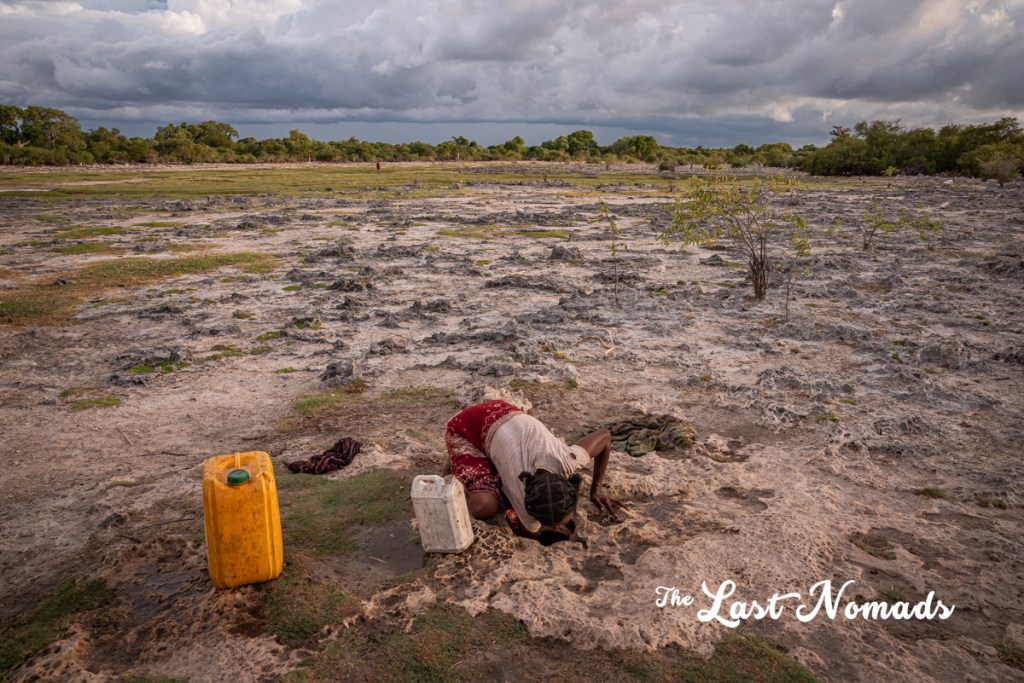
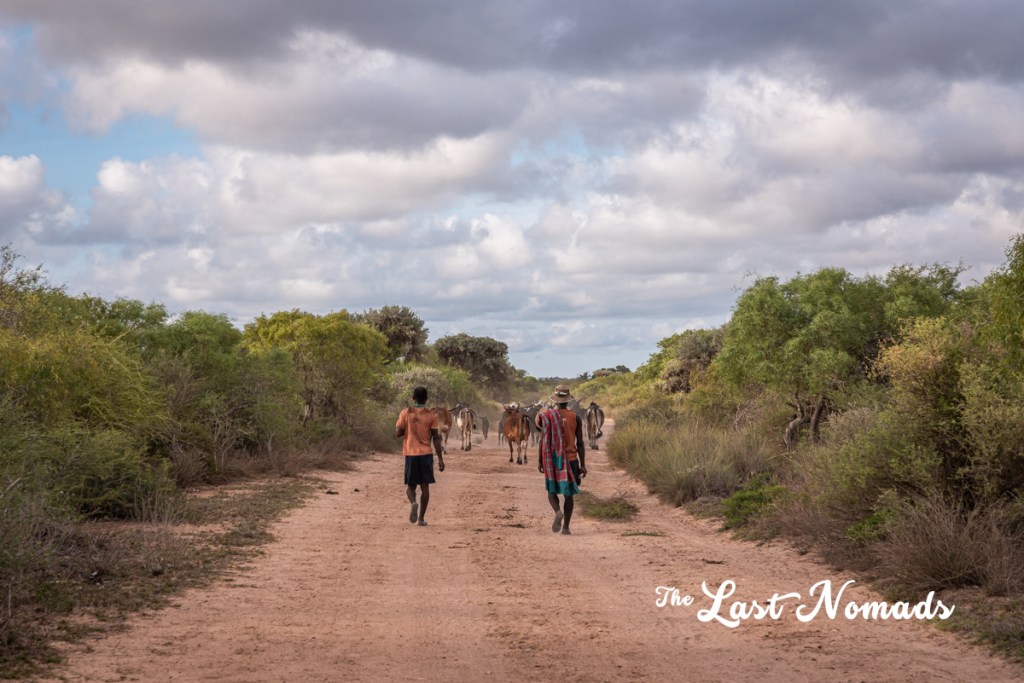
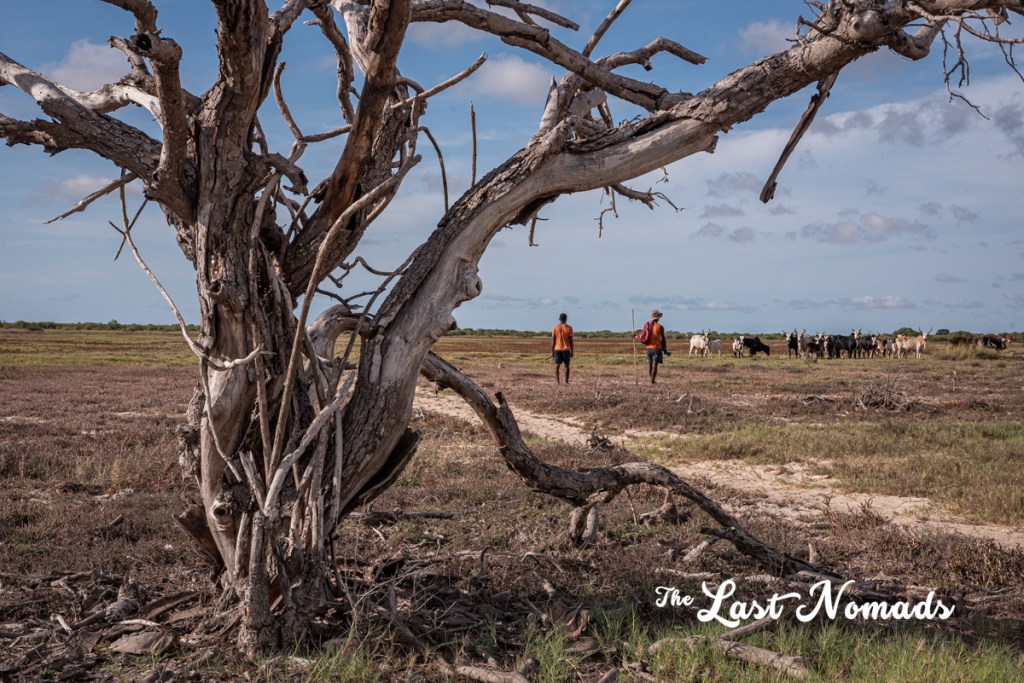
The Mikea Forest, ironically named, is now a protected area, with strict conservation laws that prevent the Mikea from living there. While they are still permitted to hunt and forage within its boundaries, they can no longer settle or move freely. This forced displacement has upended their nomadic rhythms, driving many Mikea to adopt semi-sedentary lifestyles near villages like Bedo. Here, they attempt small-scale farming—cultivating maize, cassava, and beans—but with infertile soil and increasingly unpredictable weather, farming offers limited success. Water scarcity compounds their struggles. Once sustained by the forest’s natural resources, the Mikea now walk long distances to reach water holes, relying heavily on moisture-rich Babo roots during dry months. This shift from forest nomadism to survival on the periphery has also impacted their cultural identity. “The forest has always been our guardian,” says village elder Ramene, recounting the stories of his ancestors, who fled to the forest to escape colonial rulers and gave rise to the Mikea way of life. Climate change has further intensified their challenges. Extended droughts, erratic rainfall, and rising temperatures have pushed the natural resources they depend on to the brink. The influx of Tandroy migrants from the south, also driven by drought, has introduced new pressures. These migrants, seeking fertile land, often practice slash-and-burn agriculture, which not only competes with the Mikea’s needs but also accelerates deforestation. The resulting tensions are reshaping the fragile ecosystems and social dynamics of the region. Despite these challenges, the Mikea continue to demonstrate remarkable resilience. Their foraging skills, honed over centuries, remain central to their survival. In the mornings, families rise with the sun to collect Ovy (a cassava-like root), hunt small game, or search for honey deep in the forest. By afternoon, they shift to gathering water or preparing food, relying on practices passed down through generations. Yet, as Ramene laments, “I worry for my children. If we lose the forest completely, what will they have left?”
Documentary
Slideshow
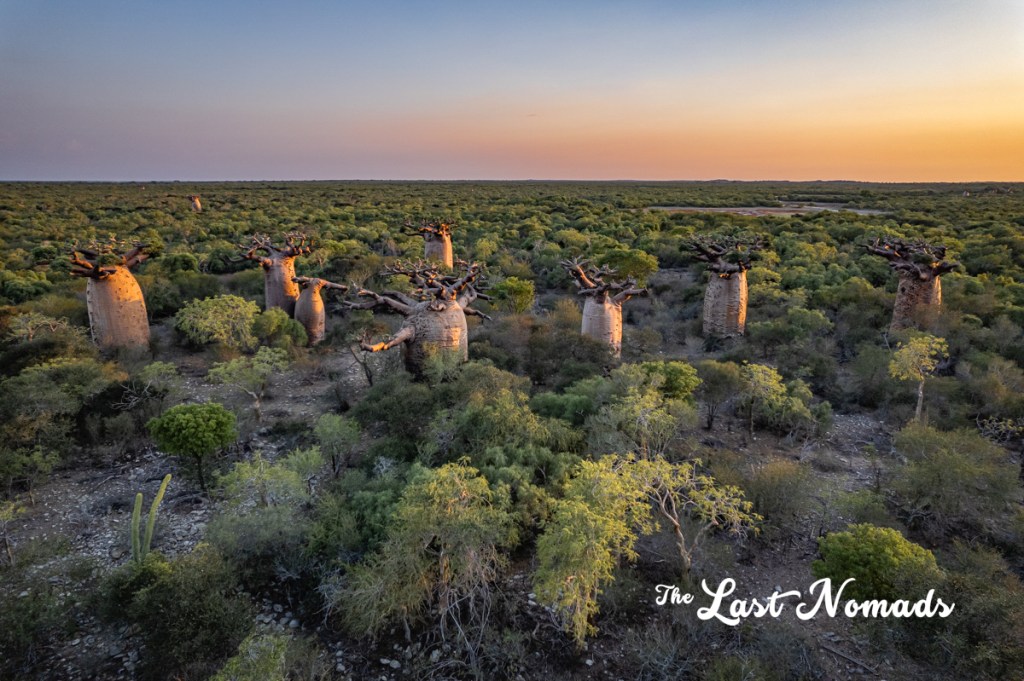

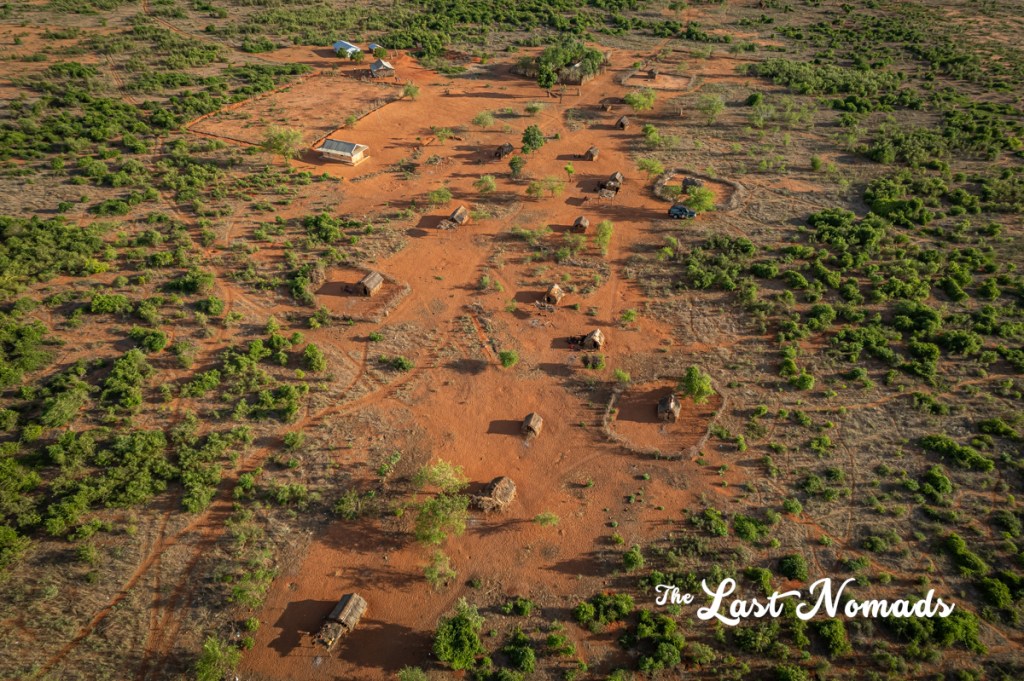

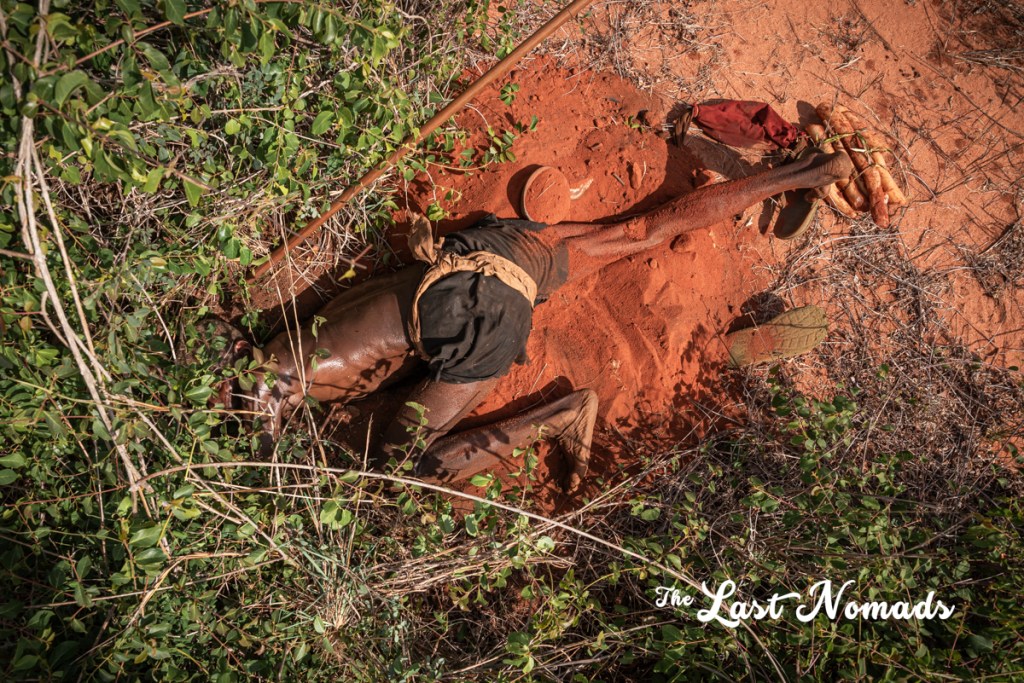
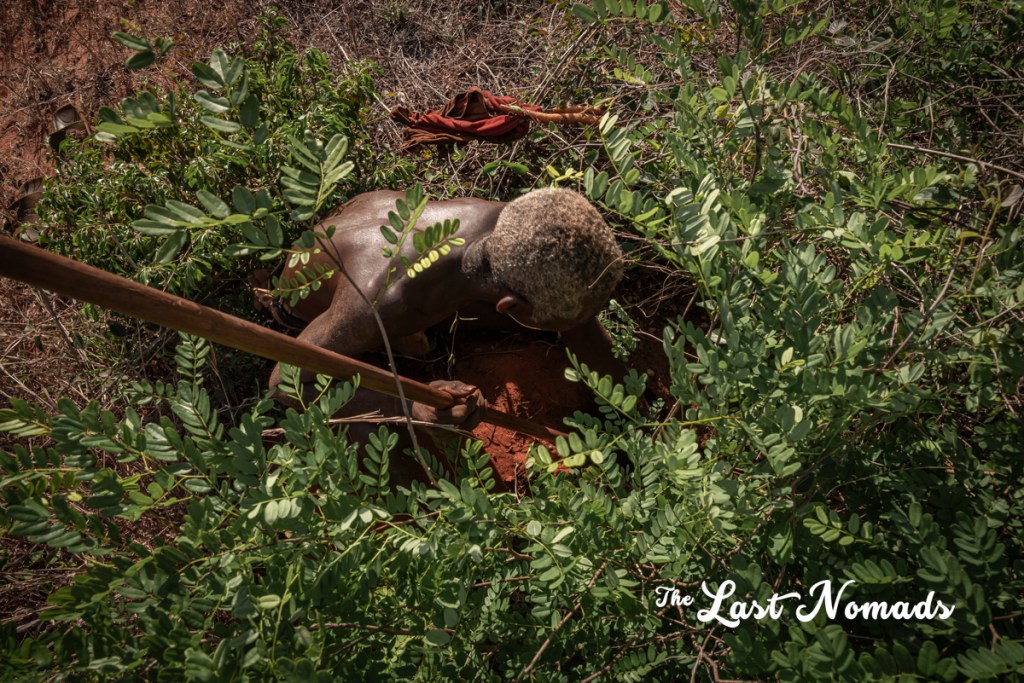
Image Gallery











Related Content
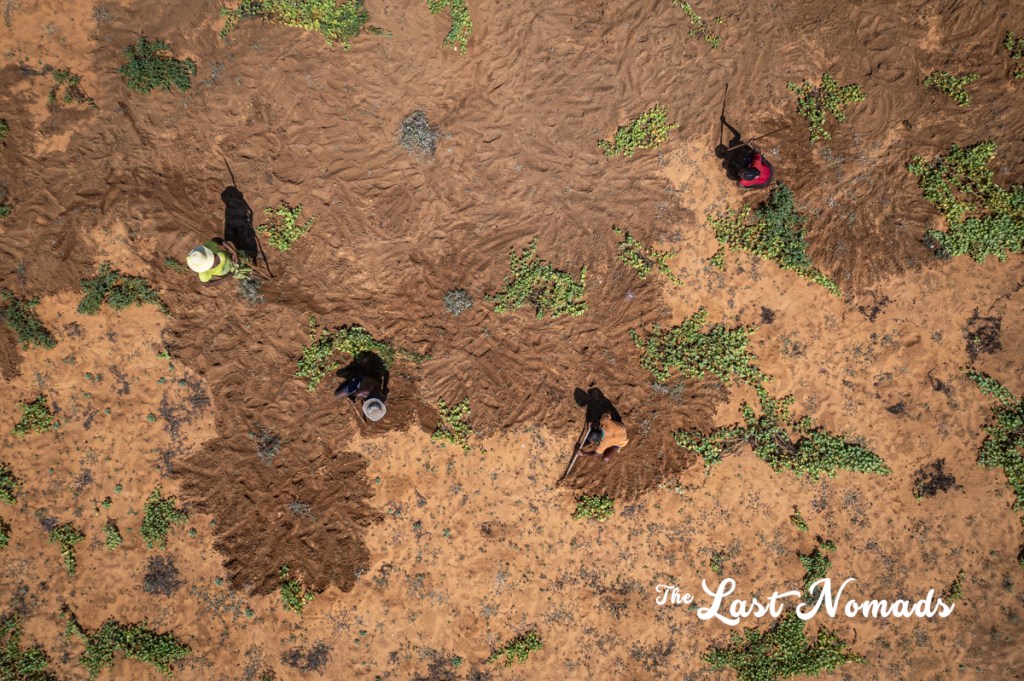
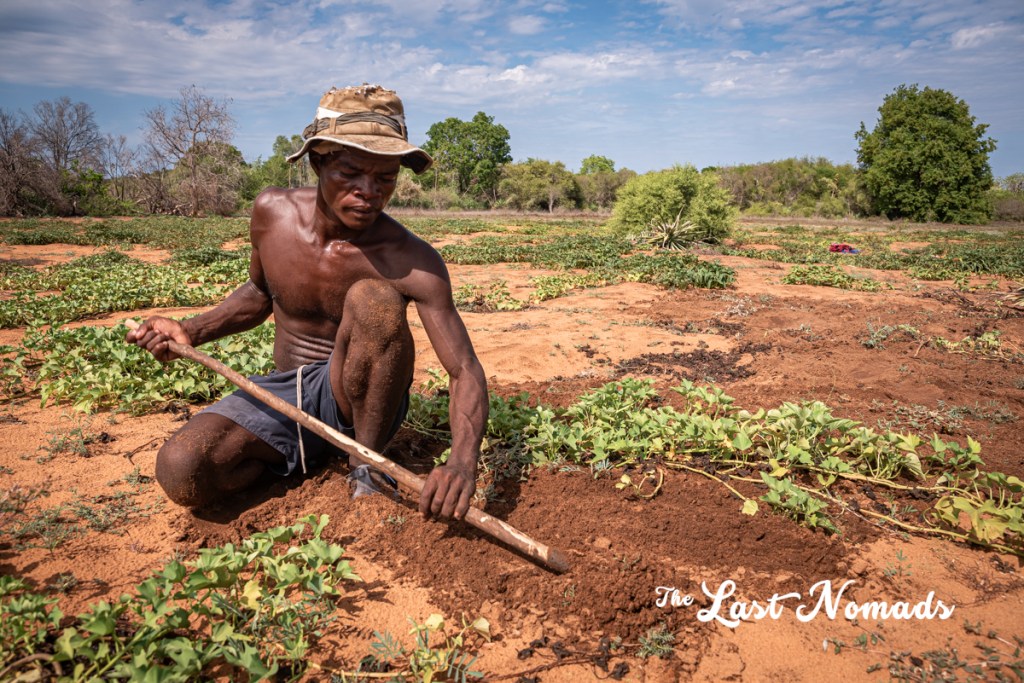
Side by side with the Mikea, along the edges of the Spiny Forest ecoregion, live the Masikoro—kin to the same Sakalava roots, yet shaped by their own resilience to the trials of Madagascar’s untamed southwest. While the Mikea are no longer allowed to live in their «supermarket» and the Vezo lament dwindling fish populations, the Masikoro face entirely different challenges. Unlike the other two self-sufficient communities of the Sakalava ethnic group, the Masikoro have devoted themselves to agriculture for about a century. Nowadays, they must endure excessive droughts and unpredictable weather cycles near the Spiny Forest. With over 80% of Madagascar’s population engaged in farming, the Masikoro stand in stark contrast to the central highland farmers, who live in two-story mud houses or relatively upscale homes, as they possess the least and cultivate the most challenging lands in one of the poorest regions of one of the world’s poorest countries.
Image Gallery




Documentary (The Mikea & Masikoro)
Multimedia Story – Available for Commissioning
This in-depth visual narrative captures the resilience and challenges of the Mikea and Masikoro people in Southwest Madagascar and can be commissioned in words, photographs, or video for an intimate look into their unique way of life.
 The Last Nomads